Best Hairball Control Cat Food: Warming and Flavoring Techniques for Finicky Eaters
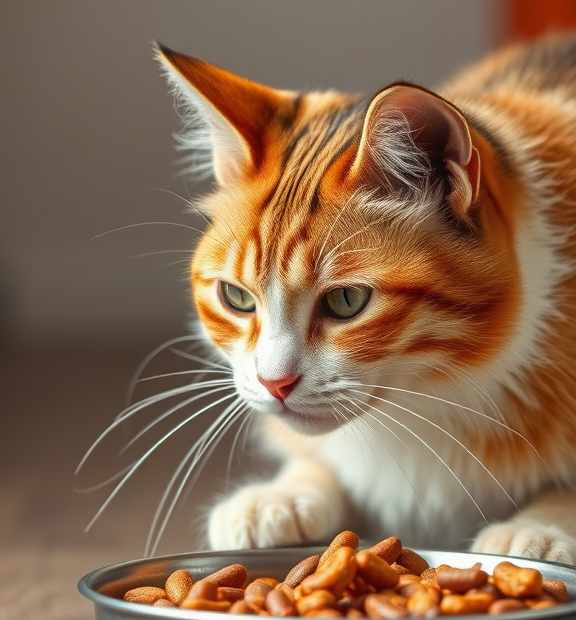
When you’re a cat owner, ensuring your feline friend is happy and healthy can sometimes be tricky, especially when they are finicky eaters. Hairballs can be a common issue for cats, particularly for those with long fur. Choosing the best hairball control cat food is essential, but it is equally important to ensure that the food is pleasant to eat and easy to digest. Warming and flavoring techniques can significantly impact your cat’s willingness to eat, especially for the pickiest eaters.
Choosing the Right Cat Food for Hairball Control
Finding the right hairball control cat food begins with understanding what ingredients work best for your cat. Look for foods specifically formulated to reduce hairballs. These usually contain a mixture of fiber, fats, and digestible proteins. Here are some key ingredients to consider:
- High Fiber Content: Foods rich in fiber help move hair through the digestive system and minimize the formation of hairballs.
- Omega Fatty Acids: Look for omega-3 and omega-6 fatty acids, which help reduce shedding and maintain healthy skin and fur.
- Digestible Proteins: Chicken, fish, and turkey are ideal protein sources, aiding overall digestion.
- Natural Ingredients: Look for options that are free of artificial colors and preservatives for better health.
Making Cat Food More Appealing
Once you have found the best hairball control cat food, you may need to amp up the flavor to entice your finicky eater. Here are some effective warming and flavoring techniques you can try:
Warming Up Food
Warming your cat’s food can make it more appetizing. Here’s how to do it:
- Microwave Method: Place the food in a microwave-safe bowl and heat it for about 10-15 seconds. Be sure to stir it well to eliminate any hot spots. Always check the temperature before serving.
- Warm Water Method: Add a little warm water (not hot) to the food. This can soften dry kibble while enhancing the aroma.
- Steaming Food: If using canned food, steaming it can help release amazing scents, making it irresistible to your cat.
Adding Flavor Enhancements
If warming the food doesn’t entice your cat, you can add some flavor enhancers:
- Broth: Pour a small amount of low-sodium chicken or beef broth over the cat food to boost flavor and moisture.
- Toppers: Consider store-bought cat food toppers or even shredded chicken or tuna to make the meal more enticing.
- Treats: Sprinkling a few crunchy treats on top can tempt your cat to eat their meal.
Monitoring Your Cat’s Response
After implementing these warming and flavoring techniques, pay attention to how your cat responds. If they seem more eager to eat, you’re on the right track. However, if they continue to refuse food, consider consulting your veterinarian. Your cat might have specific dietary needs or underlying health issues that require attention.
Understanding Portion Sizes
Another crucial factor is the portion size. Sometimes, less is more! If you’re feeding your cat too much food at once, they might become overwhelmed or less interested. Try offering smaller portions several times a day to see if this sparks more interest in eating.
Creating a Positive Eating Environment
The eating environment plays an essential role in your cat’s willingness to eat. Ensure their food bowl is in a calm, quiet area away from loud noises, other pets, or disturbances. You would be surprised at how much these factors affect your cat’s appetite.
Choosing the best hairball control cat food and using warming and flavoring techniques can help you cater to your finicky eater. By making mealtime enjoyable, you promote healthy eating habits and ensure that your beloved kitty gets the nutrition they need to thrive.
Nutritional Ingredients to Look for in Hairball Control Cat Food
When selecting the best cat food for hairball control, it’s crucial to consider the nutritional ingredients that play a key role in keeping your feline friend healthy and comfortable. Hairballs can be uncomfortable for cats and worrisome for owners, but the right food can help minimize this issue. Here are the essential ingredients to look for when shopping for hairball control cat food.
Fiber Sources
The first and foremost ingredient to consider is fiber. A high fiber content helps promote healthy digestion and allows your cat to pass hairballs more easily. Look for:
- Plant-based fiber: Ingredients like beet pulp, psyllium, or cellulose can aid in digestion.
- Whole grains: Brown rice, oats, and barley are excellent sources of fiber.
- Vegetables: Carrots, sweet potatoes, and peas not only provide fiber but also add essential nutrients.
Healthy Fats
Healthy fats are essential for maintaining your cat’s skin and coat health. A shiny, healthy coat can help minimize shedding, reducing the amount of hair your cat ingests. Look for:
- Omega fatty acids: Omega-3 and Omega-6 fatty acids, often derived from fish oil or flaxseed oil, contribute to a shiny coat and overall skin health.
- Chicken or fish derivatives: Higher quality proteins often provide essential fats for coat health.
Quality Proteins
Quality protein is critical for your cat’s overall health and energy levels. When selecting food, prioritize:
- Real meat: Look for specific sources like chicken, turkey, or fish as the first ingredient. These offer not only protein but important amino acids essential for health.
- Meat meals: Ingredients like chicken meal or fish meal are concentrated protein sources that provide your cat with the necessary nutrients.
Digestive Health Ingredients
In addition to fiber, consider ingredients that support digestive health. These can help your cat’s digestive system function more efficiently, reducing hairball formation. Key ingredients include:
- Probiotics: Beneficial bacteria can promote gut health and improve digestion. Ingredients like dried fermentation products often signal the presence of probiotics.
- Prebiotics: These are non-digestible fibers that support the growth of healthy gut bacteria, further aiding digestion.
Vitamins and Minerals
Vitamins and minerals are essential for a cat’s overall health. When choosing hairball control cat food, select options that have:
- A balanced mix of vitamins: Vitamins A, C, E, and B-complex are crucial for the immune system and skin health.
- Minerals: Calcium, phosphorus, and potassium help maintain strong bones and overall health.
Low Carbohydrate Content
Cats are obligate carnivores, which means they thrive on a diet high in protein and low in carbohydrates. A diet with high levels of carbohydrates can lead to obesity and health issues. Aim for:
- Minimal fillers: Ingredients such as corn, wheat, and soy should be avoided as they add unnecessary carbohydrates.
- Low sugar levels: Ensuring the food has low sugar content is important for overall health.
When searching for the best hairball control cat food, pay attention to these nutritional ingredients. By choosing the right blend of fibers, healthy fats, quality proteins, and other necessary nutrients, you can help your cat combat hairballs effectively. Remember, a healthy diet not only aids in controlling hairballs but also improves your cat’s overall health and quality of life.
Conclusion
Finding the best hairball control cat food for your feline friend can be a delightful journey, especially if you have a finicky eater on your hands. By incorporating warming and flavoring techniques, you can transform any meal into a tempting feast. Simple methods like warming the food slightly or mixing in a little broth can enhance the flavor, making your cat more likely to enjoy it.
When selecting hairball control cat food, pay close attention to key nutritional ingredients. Look for high-quality protein sources, fiber-rich components, and omega fatty acids, as these contribute to digestive health and coat quality. Ingredients like beet pulp and chicken meal can effectively aid in reducing hairballs, ensuring your kitty stays comfortable and happy.
Experiment with different warming techniques and flavors until you discover what your cat loves most. Remember, every cat is unique, and what works for one might not work for another. By prioritizing their enjoyment and nutritional needs, you can ensure that mealtime is something both of you look forward to. This thoughtful combination of flavor enhancement and careful food selection makes all the difference in easing your cat’s hairball concerns while keeping them satisfied and healthy. Treat mealtime as an opportunity to bond with your pet, knowing you’re providing the best care possible for their needs.