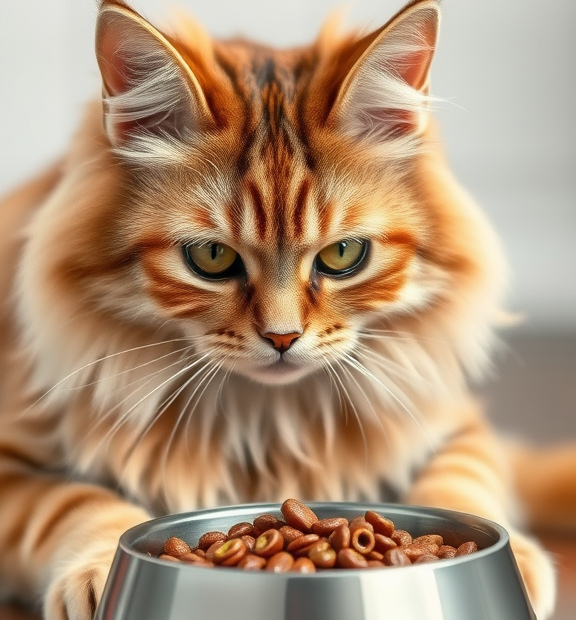
Effective Portion Control Strategies for Best Hairball Control Cat Food
Dealing with your cat’s hairballs can be a frustrating experience. Fortunately, selecting the best hairball control cat food can significantly help minimize their occurrence. However, just picking the right food isn’t enough; you also need effective portion control strategies to ensure your feline friend stays healthy without overeating. Let’s dive into how you can manage portion sizes for the best hairball control.
First and foremost, understanding your cat’s nutritional needs is essential. Factors like age, activity level, and overall health play a critical role in determining how much food they should consume daily. An average adult cat typically requires about 20 calories per pound of body weight. For example, a 10-pound cat would need roughly 200 calories per day. Ensure you read the feeding guidelines on your cat food packaging and adjust according to your cat’s specific requirements.
Here are some effective strategies for portion control:
- Measure Daily Portions: Instead of free-feeding, measure out your cat’s daily portion. Use a food scale or measuring cup to allocate the correct amount of food. This practice helps prevent overfeeding and ensures your cat gets the exact nutrition they need.
- Use Puzzle Feeders: These fun toys stimulate your cat’s brain while making them work for their food. They can help slow down eating and prevent gulping, which can lead to hairballs.
- Multiple Small Meals: Consider dividing your cat’s daily food portion into multiple smaller meals throughout the day. This method can mimic the natural hunting behavior of cats and aids in digestion.
- Scheduled Feeding Times: Establish a feeding routine by feeding your cat at specific times of the day. Cats thrive on routine, and offering food at regular intervals can keep them from overeating.
- Monitor Weight: Regularly check your cat’s weight. Weigh them every few weeks to ensure they are maintaining a healthy weight. If you notice any weight changes, it may be time to adjust their portion sizes.
Your cat’s behavior during mealtime can also give you clues about their eating habits. For example, if they finish their meals quickly and seem to beg for more, they might be consuming their food too fast. This is where slow feeders can be particularly beneficial, as they can prevent rapid eating and reduce the risk of hairballs.
When selecting the best hairball control cat food, look for products containing natural fiber sources like beet pulp and psyllium. These ingredients can help facilitate smooth digestion and reduce hairball formation. Additionally, high-quality proteins and fats can keep your cat satisfied, helping with portion control.
It’s also essential to stay consistent. Cats thrive on routines, and once you establish a portion control method, stick with it. Changing feeding habits too frequently can lead to confusion and misbehavior in your pet.
A vital aspect of portion control is keeping track of any treats or snacks you offer. These can add up quickly and lead to unintentional overfeeding. Try to limit treats to no more than 10% of your cat’s daily caloric intake. You can also consider healthier alternatives, like small pieces of cooked chicken or fish, as a reward.
Don’t forget hydration! Ensure your cat has access to fresh water at all times. Sometimes, cats mistake thirst for hunger, leading to excessive eating. Encouraging your cat to drink more water, either through a fountain or wet food, can help reduce hairballs as well.
Consult with your veterinarian if you’re unsure about how much to feed your cat or what food to choose. They can provide tailored recommendations based on your cat’s health and lifestyle. With the right balance of the best hairball control cat food and effective portion control strategies, you can help your feline friend lead a comfortable, healthy life while minimizing the unpleasant experience of hairballs.
Understanding the Link Between Diet and Hairball Formation in Cats
Cats are known for their grooming habits. While it keeps them neat and tidy, it also leads to a common problem: hairballs. Understanding how diet affects hairball formation is vital for every cat owner. A good diet can help manage and prevent hairballs, leading to a healthier and happier feline friend.
When cats groom themselves, they ingest loose hair. Most of the time, this hair passes through their digestive system without issues. However, sometimes, the hair accumulates and forms hairballs. Factors such as hair length, grooming frequency, and diet all impact this process. For instance, long-haired breeds tend to experience hairballs more frequently due to the sheer amount of hair they swallow.
Diet plays a critical role in this entire process. Here are several ways through which feeding choices can influence hairball formation:
- High-Quality Protein: Cats are obligate carnivores that thrive on protein. Diets with high-quality protein lead to better overall health, helping to maintain a healthy coat. A well-groomed coat means less loose hair falling out and less hair ingested during grooming.
- Fiber Content: Including adequate fiber in a cat’s diet helps to promote healthy digestion. Fiber can help hair move through the digestive tract more easily, preventing hair from accumulating in the stomach. Look for cat foods that list fiber as one of the main ingredients.
- Moisture in Diet: Cats tend to drink less water, especially if they primarily eat dry food. A diet that includes wet food or added moisture can prevent constipation and improve digestion. This can help minimize hairball issues, as a well-hydrated cat has a healthier digestive system.
- Hairball-Specific Foods: Many pet food companies produce specialized cat foods designed to help manage hairballs. These typically contain increased fiber levels and ingredients that promote digestive health, making them beneficial for cats prone to hairballs.
If your cat experiences frequent hairballs, it might be time to assess their diet. Poor nutrition can lead to excessive shedding, which in turn increases hairball formation. You should consider consulting with your veterinarian to determine the best diet for your cat’s specific needs. They can recommend the appropriate food based on your cat’s age, weight, and lifestyle.
In addition to diet, other factors can contribute to hairball formation. Regular grooming is crucial. Brushing your cat helps remove loose hair, reducing the amount ingested when they groom. It can also be a bonding activity, which is beneficial for you and your cat. The more often you groom your feline friend, the less hair will end up in their stomach.
It’s also essential to keep an eye on your cat’s weight. Obesity can lead to more grooming difficulty, which can increase hair ingestion. Maintaining a healthy weight through proper diet and exercise should be a part of your cat care routine.
Besides diet and grooming, certain health conditions can contribute to hairball issues. If you notice changes in your cat’s grooming habits or excessive hairballs, consult your veterinarian. They can perform a check-up to rule out underlying health problems.
Providing a balanced diet is crucial in managing hairball formation. Combine this with good grooming habits, and you have a solid strategy to prevent hairballs in your cat. Your attention to your cat’s dietary needs not only benefits their coat but also promotes overall health. Helping your feline reduce hairballs will lead to a happier home for both of you.
Keeping your cat on a high-quality diet with appropriate fiber levels, hydration, and care will significantly reduce the risk of hairball formation. This proactive approach can help you maintain your cat’s health, comfort, and well-being. Make informed choices about their food and diet to ensure they live a healthy, playful life, free from the discomfort of frequent hairballs.
Conclusion
Finding the right cat food to manage hairballs effectively involves more than just choosing a premium brand. It requires understanding the connection between your cat’s diet and the formation of hairballs. By selecting the best hairball control cat food, enriched with specific fibers, you can help reduce hairball occurrences. These fibers assist in moving hair through your cat’s digestive system, which ultimately leads to a healthier and happier pet.
Implementing effective portion control strategies is crucial in this process. Overeating can lead to weight gain, which further complicates hairball issues. Ensuring you measure out your cat’s food each day helps maintain a healthy weight while managing their hairball problem. Remember, feeding smaller, more frequent meals can improve digestion and reduce the likelihood of hairballs.
By combining the right diet with effective portion control, you create a proactive approach to your cat’s health. Regularly assess how your cat responds to their food and make adjustments as needed, because what works for one cat may not suit another. Engaging with your veterinarian can also provide tailored advice for your feline friend.
Your cat deserves to enjoy life free from the discomfort of hairballs. By adopting these strategies, you’ll not only nourish them with the best hairball control cat food but also ensure that they live comfortably and thrive. Happy feeding!