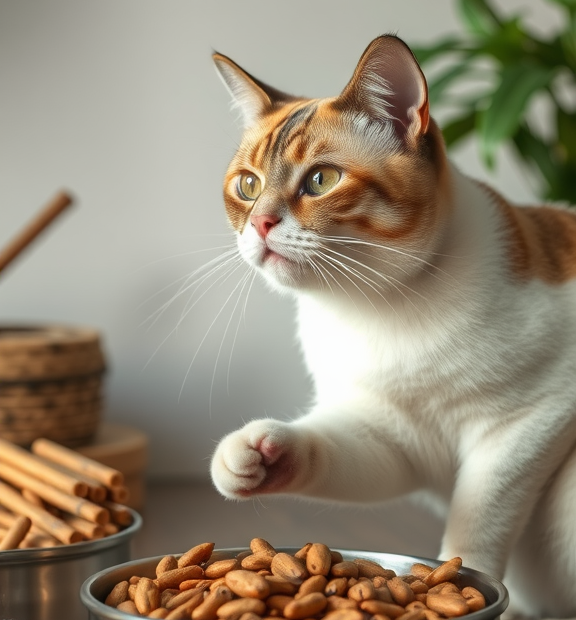
Choosing the Best Indoor Cat Food: Key Nutritional Needs and Ingredients
Understanding the Unique Needs of Indoor Cats
Indoor cats have different nutritional requirements compared to their outdoor counterparts. Since they tend to be less active, their metabolism usually operates at a slower pace. This difference impacts the type of food they need to maintain a healthy weight and avoid common indoor cat health issues, such as obesity and urinary tract problems. When looking for the best indoor cat food, you want to focus on options that support a balanced diet tailored specifically for these needs.
Key Nutritional Components to Look For
Choosing the right food means paying close attention to the ingredients and nutrient profile. Here are some critical nutritional aspects to consider:
- Protein: Cats are obligate carnivores, which means protein is essential for maintaining muscle mass and supporting overall health. The best indoor cat food should have a high-quality protein source, such as chicken, turkey, or fish, listed at the top of the ingredient list.
- Moderate Fat Content: Because indoor cats often get less exercise, their food should have moderate fat levels to prevent unnecessary weight gain. Healthy fats, like omega-3 and omega-6 fatty acids, also promote shiny coats and healthy skin.
- Low Carbohydrates: Cats don’t need many carbohydrates. Many indoor cat formulas limit filler ingredients like corn or wheat to reduce excess carbs that can contribute to weight problems.
- Fiber: Fiber aids in digestion and helps prevent hairball issues, a common problem for indoor cats who groom more frequently without venturing outside. Ingredients such as beet pulp or pumpkin can be beneficial.
- Mood and Immune Support: Vitamins, minerals, and antioxidants contribute to a cat’s immune system and overall vitality. Ingredients rich in taurine and vitamin E, for example, help maintain heart health and vision.
- Moisture Content: Indoor cats often hydrate less naturally because they don’t drink as much water. Wet or canned foods with higher moisture content can reduce the risk of urinary tract infections, a frequent concern.
Ingredients to Avoid for Indoor Cats
Avoiding certain ingredients helps reduce the risk of allergies, digestive troubles, and obesity:
- Artificial Additives: Steer clear of foods with artificial colors, flavors, or preservatives. These additives can cause allergic reactions or sensitivities.
- Excess Fillers: Ingredients like corn, soy, and wheat provide little nutritional value and may contribute to weight gain and digestive upset.
- High Sodium Levels: Too much sodium can affect your cat’s kidney function, so it’s important to choose foods formulated for indoor cats that keep salt in check.
Wet Food vs. Dry Food: What’s Best for Indoor Cats?
Both wet and dry cat foods have advantages, but for indoor cats, wet food often edges out in terms of health benefits. Here’s why:
Advantages of Wet Food
- Provides extra hydration, which supports urinary tract health.
- Typically contains fewer carbohydrates.
- Usually more palatable, encouraging picky eaters to consume enough nutrients.
Advantages of Dry Food
- Convenient and easy to store.
- Helps maintain dental health by reducing plaque buildup through the crunchy texture.
- Cost-effective and available in formulas with controlled calorie content for weight management.
The best approach for many indoor cats is a combination of wet and dry food, balancing hydration and dental health benefits while catering to their taste preferences.
How to Choose the Right Brand and Formula
With so many products on the market, selecting the best indoor cat food requires careful examination. Here’s a checklist to guide you:
- Check the Ingredient List: Top-quality protein sources should be foremost, and avoid vague terms such as “meat by-products.”
- Look for Nutritional Adequacy: Verify that the food meets standards set by organizations like AAFCO (Association of American Feed Control Officials).
- Read Reviews and Ratings: Customer feedback and expert reviews can reveal how well a product works for indoor cats specifically.
- Consider Your Cat’s Individual Needs: Age, weight, health conditions, and taste preferences play a role in choosing the best option.
- Consult Your Veterinarian: Always discuss diet changes and ask for recommendations tailored to your cat’s health.
Signs of a Well-Nourished Indoor Cat
Feeding the right indoor cat food is rewarding when you notice positive changes in your cat’s health. Key signs include:
- Healthy body weight without excessive fat deposits.
- Bright eyes and clean, shiny fur with minimal shedding.
- Consistent energy levels aligned with your cat’s activity pattern.
- Regular stool and absence of digestive upset or hairball issues.
- Vitality and an alert demeanor.
Feeding your indoor cat the best food designed for their lifestyle is one of the best steps you can take to keep them happy and healthy. By focusing on balanced nutrition, quality ingredients, and your cat’s unique needs, you ensure that mealtime supports their long and joyful life indoors.
How to Transition Your Cat to a New Indoor Food Safely and Effectively
Recognizing the Importance of a Gradual Change
Switching to the best indoor cat food can offer your feline friend tailored nutrition that suits their lifestyle. However, abrupt changes might upset their digestive system or cause picky eating behaviors. Cats are creatures of habit, and their sensitive stomachs need time to adjust to new ingredients and flavors. To keep your cat happy and healthy during this transition, it’s critical to proceed slowly and thoughtfully.
Step-by-Step Approach to Changing Your Cat’s Diet
The key to ensuring success when switching indoor cat food is a gradual mix of the old and new menus. Here’s how to do it effectively:
- Start Slow (Days 1-2): Mix 75% of your cat’s current food with 25% of the new indoor cat food. This helps your cat gradually get used to the new taste and smell.
- Increase New Food Ratio (Days 3-5): Adjust the mix to 50% old food and 50% new food. Watch closely for any signs of digestive upset, such as vomiting or diarrhea.
- More New Food (Days 6-7): Now shift to 75% new food and 25% old food. By this point, your cat should be adapting well.
- Full Switch (Day 8 and onward): Offer only the new indoor cat food. If your cat shows reluctance, you can revert to the previous mixture ratios and slow down the transition.
Why Choose Food Specifically Made for Indoor Cats?
Indoor cats have unique nutritional needs compared to outdoor cats. They tend to be less active, making it essential to feed a diet designed specifically for their energy level and lifestyle. Indoor cat food is usually formulated with:
- Lower calories to prevent weight gain.
- Higher fiber content for healthy digestion and hairball control.
- Essential fatty acids that promote a shiny coat and skin health.
- Balanced vitamins and minerals to maintain overall well-being.
By transitioning to the best indoor cat food, you support your cat’s long-term health, energy balance, and comfort within your home environment.
Monitor Your Cat’s Behavior and Health During the Transition
Keep a close eye on your cat throughout this period. Changes in appetite, litter box habits, or energy levels can indicate how well they’re adapting to the new diet. Common signs that your cat might be struggling include:
- Refusing to eat the new food.
- Vomiting or diarrhea.
- Lethargy or excessive hiding.
- Excessive scratching or skin irritation.
If you notice any of these symptoms persistently, pause the transition and consult your veterinarian. They can recommend adjustments or check for underlying health problems impacting your cat’s diet change.
Tips to Encourage Your Cat When Introducing New Food
Sometimes cats are picky or stubborn when faced with new tastes. To help ease the transition, try these strategies:
- Warm the food slightly: Heating the food can enhance its aroma, making it more appetizing.
- Mingle flavors: Add a bit of your cat’s favorite treats or a small amount of tuna juice to the new food to entice them.
- Serve fresh portions: Remove any uneaten food after 30 minutes to maintain freshness and encourage eating during meal times.
- Stick to consistent feeding times: Cats thrive on routine, so feeding your cat indoors at regular intervals can boost acceptance of new food.
Understanding the Role of Hydration When Feeding Indoor Cat Food
Indoor cat food can come in dry kibble or wet canned varieties. Both have their pros and cons:
- Dry food is convenient, but may encourage less water intake.
- Wet food contributes additional moisture, aiding urinary tract health, which is particularly important for indoor cats prone to urinary issues.
When transitioning, consider mixing both forms or slowly introducing wet food if your cat has only eaten dry food before. Offering fresh water nearby is also critical during this period to prevent dehydration.
Maintaining Patience for a Smooth Dietary Shift
Transitioning your cat to the best indoor cat food is a process that demands patience and observation. By gradually changing their diet, recognizing their own preferences, and monitoring their health, you create a supportive environment for their new nutrition plan. Remember, each cat is unique — some adapt quickly, while others take time. Your calm and consistent approach will help your cat feel comfortable and enjoy their new meals.
Conclusion
Selecting the best indoor cat food is essential to support your feline’s unique needs. Indoor cats often have lower activity levels compared to their outdoor counterparts, so they require a diet that helps maintain a healthy weight while providing all the vital nutrients for overall wellness. Look for foods rich in high-quality protein, moderate fat levels, and fiber to aid digestion and help prevent hairballs. Ingredients such as real meat or fish as the first component, plus added taurine and essential vitamins, are key to keeping your cat healthy and happy indoors.
When introducing a new indoor cat food, patience is crucial. Sudden changes can upset your cat’s stomach and make them hesitant to eat. Instead, mix a small portion of the new food with their current diet, gradually increasing the amount over 7 to 10 days. This slow transition gives your cat’s digestive system time to adjust and helps avoid unnecessary stress. It also allows you to monitor how well your cat accepts the new food and if they show any signs of intolerance or allergic reactions.
By understanding your cat’s specific nutritional requirements and carefully managing diet changes, you can provide food that supports their comfort, energy, and long-term health. Prioritizing the best indoor cat food tailored to their lifestyle ensures your feline friend enjoys balanced meals every day, contributing to a vibrant and active life inside your home.