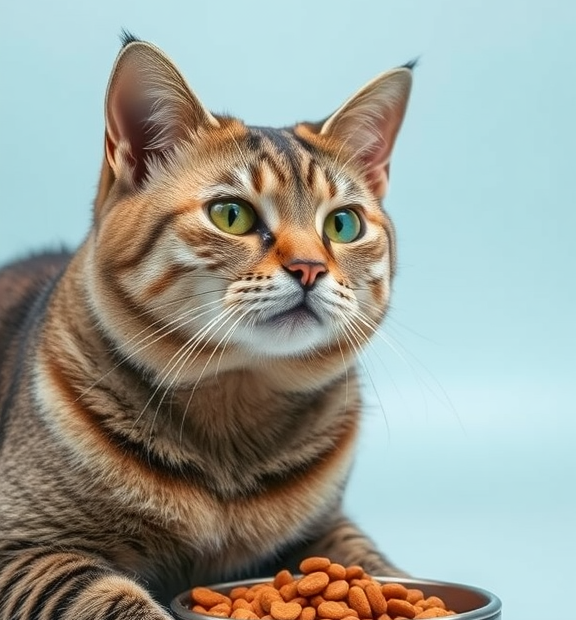
Key Ingredients to Look for in the Best Urinary Tract Cat Food
When it comes to choosing the best urinary tract cat food, understanding the key ingredients is crucial. Your feline friend’s health depends significantly on their diet, especially if they’re prone to urinary tract issues. Here are some essential components to consider when selecting the right food for your cat.
High-Quality Protein Sources
Cats are obligate carnivores, meaning their bodies thrive on protein. Look for cat food that lists high-quality animal protein as the first ingredient. Chicken, turkey, or fish are excellent sources. Not only do these proteins help maintain muscle mass, but they also support overall urinary tract health.
Controlled Magnesium Levels
Magnesium plays a vital role in urinary health. However, too much magnesium can lead to the formation of crystals in your cat’s urine. When selecting urinary tract cat food, choose formulas that maintain balanced magnesium levels. Usually, the best options will contain lower magnesium percentages to help prevent urinary tract problems.
Increased Moisture Content
Hydration is essential for urinary health. Cats often struggle to drink enough water, especially if they are fed dry kibble. Look for wet or canned food options that offer higher moisture content. This helps dilute urine and flush out the urinary tract. If dry food is your only option, consider adding water or broth to it to increase moisture intake.
Specific pH Balance
The acidity of a cat’s urine, indicated by its pH, can play a critical role in preventing urinary issues. Foods formulated for urinary tract health are typically designed to achieve an optimal pH level (usually between 6.0 and 6.5). These foods ensure that the urine is neither too acidic nor too alkaline, helping to prevent the formation of stones and crystals.
Omega Fatty Acids
Omega-3 and Omega-6 fatty acids can help reduce inflammation in the urinary tract. These nutrients are essential for overall health and can assist in preventing urinary tract infections. Look for cat food that incorporates fish oil or flaxseed oil, which serve as excellent sources of these essential fatty acids.
Added Probiotics
Maintaining a healthy balance of gut bacteria can aid in overall health, including urinary health. Foods with added probiotics help support the digestive system, making it easier for your cat to absorb nutrients. A balanced microbiome can also contribute to a healthy urinary tract, reducing the likelihood of infections.
Antioxidants
Antioxidants, such as Vitamins C and E, play a crucial role in supporting your cat’s immune system. Foods rich in antioxidants help protect cells from damage and fight against inflammation. Including antioxidant-rich ingredients like blueberries or cranberries in your cat’s food can contribute to their urinary tract health.
When choosing the best urinary tract cat food, it’s also essential to avoid artificial additives and fillers. Ingredients like corn and wheat are often less digestible and don’t provide much nutritional value. Always prioritize high-quality, natural ingredients that promote overall well-being.
Wet vs. Dry Food Considerations
While both wet and dry foods can be beneficial, wet food aligns better with urinary health due to its higher moisture content. However, dry food can be convenient and sometimes more affordable. If you choose dry food, ensure it contains all the right ingredients mentioned above and consider supplementing with wet food or adding water.
Monitoring Your Cat’s Health
Always keep a close eye on your cat’s urinary health. Symptoms like frequent urination, straining to urinate, or blood in urine warrant a visit to the veterinarian. Regular check-ups will help track any potential issues before they escalate.
By focusing on these key ingredients, you can choose the best urinary tract cat food that will support your cat’s health and well-being. Remember, every cat is unique, so you may need to experiment to find the ideal food for your feline friend.
The Role of Hydration in Preventing Urinary Tract Issues in Cats
Hydration plays a crucial role in maintaining the overall health of your cat, particularly when it comes to preventing urinary tract issues. Cats are notoriously not great drinkers, which can lead to health problems. Understanding how hydration affects your feline friend’s urinary tract can help you take preventive measures and ensure a healthy life for your pet.
Why Is Hydration Important?
Water is essential for all living organisms, and your cat is no exception. Proper hydration helps with a range of bodily functions, including:
- Kidney Function: The kidneys filter waste from the bloodstream. Adequate water intake helps them function properly and flush out toxins.
- Urinary System Health: Water dilutes the urine, which can help prevent the formation of crystals and stones in the urinary tract.
- Digestive Health: Hydration aids in digestion and absorption of nutrients, which provides the energy your cat needs.
- Temperature Regulation: Staying hydrated helps manage body temperature, keeping your cat comfortable in varying climates.
How Dehydration Affects Cats
When cats don’t drink enough water, they can become dehydrated, leading to potential health risks. Dehydration can cause:
- Concentrated Urine: As water intake decreases, urine becomes concentrated. This increases the risk of urinary tract infections and crystals.
- Kidney Issues: Chronic dehydration can stress the kidneys, leading to more severe kidney diseases over time.
- Constipation: An insufficient water supply can also lead to hard stools and difficulty in bowel movements.
Identifying Signs of Dehydration
It’s vital to be aware of the signs of dehydration so you can take immediate action. Look out for:
- Dry gums and mouth
- Sunken eyes
- Reduced skin elasticity (the skin doesn’t return to its normal position when gently lifted)
- Lethargy or decreased activity
Encouraging Your Cat to Drink More Water
Getting your cat to drink more water can significantly reduce the risks of urinary tract issues. Here are some tips:
- Provide Fresh Water Daily: Change the water in your cat’s bowl every day to keep it fresh, which encourages drinking.
- Use a Fountain: Cats may prefer running water over stagnant water. A pet water fountain can make drinking more enticing.
- Mix Water with Food: Adding water to wet food or mixing it into dry kibble can enhance hydration.
- Flavor the Water: Some cats may enjoy the taste of chicken or tuna juice added to their water.
Considerations for Cat Food
The type of food you provide can also impact your cat’s hydration levels. Consider these options:
- Canned Wet Food: Wet food typically contains about 70-80% moisture, which can greatly assist in keeping your cat hydrated.
- High-Quality Dry Food: If your cat prefers dry kibble, ensure it’s a high-quality brand enriched with nutrients.
When to Consult the Veterinarian
If you notice signs of dehydration or persistent urinary issues, it’s crucial to consult your veterinarian. They can provide advice tailored to your cat’s individual needs and might suggest a specific diet or treatments to improve hydration.
Staying proactive about your cat’s hydration is one of the best ways to maintain urinary tract health. Offer fresh water, adjust the diet when necessary, and keep close tabs on their behavior to spot potential issues early. By taking these steps, you can minimize the risk of urinary tract problems and enhance your cat’s overall well-being.
Conclusion
Choosing the best urinary tract cat food is vital for maintaining your feline’s health, especially if they are prone to urinary tract issues. When evaluating options, pay close attention to key ingredients that promote urinary health, such as high-quality proteins, low magnesium levels, and added omega fatty acids. These elements not only support your cat’s overall well-being but also help in preventing the formation of urinary crystals and stones.
Hydration plays a fundamental role in preventing urinary tract problems. Cats can often be reluctant drinkers, so selecting food that enhances hydration is a game changer. Wet cat food is an excellent choice, as it contains higher moisture content than dry food. This encourages your cat to drink more water, helping to flush out toxins and keep their urinary system functioning properly. Additionally, some brands incorporate specially formulated dry foods that help maintain hydration while offering the crunch cats love.
Ultimately, the right urinary tract cat food combined with ample hydration practices can lead to a happier, healthier cat. Always consult your veterinarian before making any major changes to your cat’s diet. They can provide personalized advice tailored to your cat’s specific needs. By prioritizing the right ingredients and hydration strategies, you’re setting your adorable companion up for a lifetime of urinary health and comfort. With these steps in mind, you can confidently make informed choices for your furry friend.