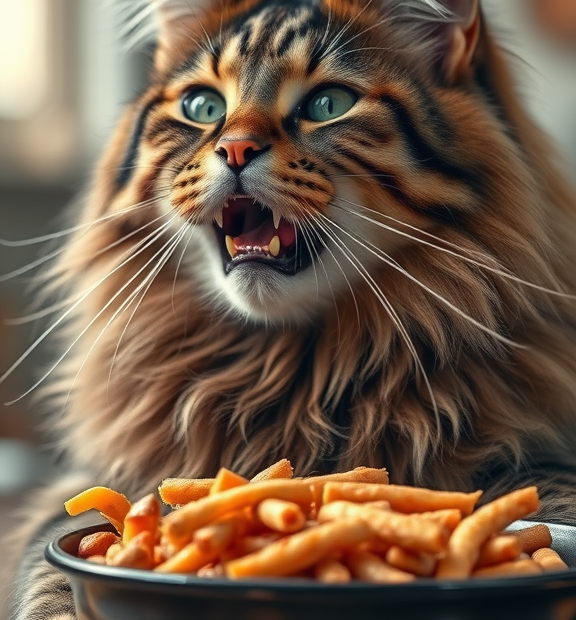
Big Cat, Big Appetite Problem: Understanding and Managing the Maine Coon Cat Eat Problem
Understanding the Maine Coon’s Big Appetite
Maine Coon cats are famously known for their large size and gentle personalities, but many owners quickly discover that their appetites match their substantial frames. This breed’s hearty appetite can sometimes lead to challenges around feeding. If you’ve noticed your Maine Coon constantly begging for food, eating more than expected, or seeming never to be full, you’re not alone. Understanding why these big cats have a big appetite is the first step to managing it effectively without compromising their health.
Unlike smaller cat breeds, Maine Coons have a higher metabolic rate and require more calories to support their muscular bodies and long, dense fur. This breed was originally bred as a working cat, helping fishermen and farmers, which means they were naturally selected to consume more calories for energy and endurance. Their natural energy needs often translate directly into a strong and persistent hunger.
Common Reasons Behind Excessive Eating Behaviors
Before jumping into solutions, it’s essential to identify why your Maine Coon is eating so much. Some of the most common causes include:
- Rapid Growth and Development: Young Maine Coons can consume large amounts of food as they grow quickly during their first two years.
- Lack of Portion Control: Free feeding or inconsistent meal times can lead to overeating.
- Boredom or Attention-Seeking: If your cat is not mentally or physically stimulated, they might eat more simply out of habit or for attention.
- Medical Issues: Health problems like hyperthyroidism or diabetes can cause increased appetite and should be checked by a vet.
Keeping a close eye on your Maine Coon’s eating patterns and overall behavior is crucial. Note any sudden changes or extreme increases in appetite, as these may signal underlying health concerns.
Effective Strategies to Manage Overeating
Managing your Maine Coon’s appetite doesn’t mean starving them—it means nourishing them properly and creating a feeding routine that works for both you and your cat’s well-being. Here are some expert-backed strategies that help:
1. Measure Food Portions
Use a precise measuring cup to provide the correct amount of calories based on your cat’s age, weight, and activity level. Most owners tend to overestimate how much their Maine Coon needs. Consult your vet for tailored feeding guidelines.
2. Establish Consistent Feeding Times
Instead of free feeding throughout the day, feed your cat at set times. Two to three meals a day can help control hunger and reduce begging behaviors. Scheduled feeding also helps your cat understand when mealtime comes, curbing constant hunger cues.
3. Choose High-Quality, Nutrient-Dense Food
Maine Coons benefit from food rich in animal proteins and balanced fats. Nutrient-dense food can keep them satiated longer, reducing the temptation to overeat. Avoid fillers like excessive grains or cheap substitutes, which can trigger more eating without delivering proper nutrition.
4. Incorporate Play and Exercise
Mental and physical stimulation can divert your Maine Coon from eating out of boredom. Schedule interactive play sessions using toys that challenge your cat. This also helps burn calories and maintains a healthy weight.
5. Use Puzzle Feeders and Slow Feeding Bowls
Puzzle feeders make mealtime more engaging and slow the speed at which your cat eats. Slow eating supports better digestion and helps your Maine Coon recognize fullness faster, preventing overeating.
When to Seek Veterinary Advice
Sometimes, a big appetite isn’t just about habit or breed characteristics. If your Maine Coon displays symptoms such as:
- Sudden and extreme increase in appetite
- Weight loss despite eating more
- Increased thirst or urination
- Changes in energy or behavior
These signs may indicate illnesses like diabetes, hyperthyroidism, or gastrointestinal problems. A prompt veterinary consultation will help diagnose and treat any underlying conditions early.
Maintaining a Balanced Approach for Your Maine Coon’s Health
The goal in managing your Maine Coon’s eating habits is to respect their natural appetite while preventing issues like obesity and digestive discomfort. With consistent feeding routines, nutritious meals, regular exercise, and occasional veterinary check-ups, you can keep your big cat feeling full, happy, and healthy.
Remember, you’re not just feeding a pet—you’re caring for a majestic feline with unique needs. By understanding the nuances of their big appetite, you ensure your Maine Coon thrives for years to come.
Practical Tips and Solutions to Control Overeating in Maine Coon Cats
Understanding the Needs of a Maine Coon’s Appetite
Maine Coon cats are known for their large size, playful nature, and charming personalities. With their bigger bodies, they typically require more calories than smaller cats. However, their big appetite can sometimes turn into an eating problem if left unchecked. Overeating can lead to obesity, which invites a slew of health issues including diabetes, joint problems, and a shortened lifespan. Controlling your Maine Coon’s eating habits is essential to maintaining their health and well-being.
Recognizing Signs of Overeating in Your Maine Coon
Before diving into solutions, it’s important to spot the signs that your Maine Coon is overeating. These can include:
- Rapid weight gain over a short period
- Begging for food constantly or after meals
- Eating more than the recommended daily portions
- Increased lethargy or reduced playfulness
- Digestive upset such as vomiting or diarrhea
Early identification helps you intervene before serious health issues develop.
Control Feeding Through Portion Management
One of the most effective ways to curb overeating is by managing portion sizes carefully. Maine Coons may demand more food due to their size, but feeding them unlimited meals can promote unhealthy habits.
- Consult a veterinarian: Get a precise daily calorie allowance tailored to your cat’s age, weight, activity level, and overall health.
- Use a measuring scoop: Avoid free feeding and measure exact portions to give your cat during each sitting.
- Divide meals into smaller, frequent servings: Feeding 3-4 smaller meals throughout the day can satisfy hunger better than one or two large meals.
Choosing the Right Food for Sustained Satisfaction
Cats thrive on diets rich in protein and moisture. Selecting high-quality, nutrient-dense food helps your Maine Coon feel full longer and reduces the desire to overeat.
- Opt for wet food: Including canned food increases water intake and can enhance satiety.
- High protein, moderate fat: Meals with this balance support energy needs and maintain muscle mass.
- Low carbohydrate options: Cats are obligate carnivores, so avoid carbs that add empty calories.
Interactive Feeding to Slow Down Eating
Maine Coons can be enthusiastic eaters, sometimes gobbling food too quickly. Speed eating can cause discomfort and overeating. Interactive feeding techniques help slow down consumption and stimulate your cat mentally.
- Use puzzle feeders: These feeders make your cat work for food, which slows intake and provides mental enrichment.
- Scatter feeding: Spread dry food pieces around a room or on a flat surface so your Maine Coon must find and pick each piece.
- Hand feeding: Occasionally feed small treats or meals by hand to increase your bond and control portions.
Establishing Routine and Environmental Enrichment
Routine plays a crucial role in regulating your Maine Coon’s appetite. Scheduled feeding times discourage begging and promote good eating habits.
- Set consistent feeding times: Feed your cat at the same times each day to help regulate hunger cues.
- Keep distractions low: Avoid feeding near noisy or high-traffic areas to prevent stress-related overeating.
- Provide toys and playtime: Exercise helps control weight and reduces boredom-driven eating.
Monitoring and Adjusting Food Intake Over Time
Regularly assessing your Maine Coon’s weight and appetite ensures you catch overeating problems early and adjust food intake as needed.
- Weigh your cat monthly: Start tracking weight to notice upward trends before they become a problem.
- Keep a food diary: Recording meals and snacks helps identify patterns or triggers for overeating.
- Work with your vet: Regular check-ups will help monitor metabolic health and suggest feeding modifications.
Be Aware of Emotional or Medical Causes
Sometimes overeating is linked to more than just hunger. Emotional stress, anxiety, or certain medical conditions can increase appetite in cats.
- Stress reduction: Ensure a calm, safe environment to reduce stress-induced eating.
- Check for health issues: Conditions like hyperthyroidism or diabetes can cause increased hunger; consult your veterinarian for diagnosis.
- Consider behavioral changes: If boredom or loneliness is the cause, provide companionship, interactive toys, or play sessions.
Final Tips to Keep Your Maine Coon Eating Healthy
Managing the eating habits of a Maine Coon doesn’t need to be a battle. By implementing these practical strategies, you can help control their big appetite effectively and promote a long, healthy life for your majestic feline friend. Remember that patience and consistency are key — your Maine Coon will adapt to new feeding routines with time, ultimately leading to better health and happiness.
Conclusion
Maine Coon cats are known for their majestic size and hearty appetites, which can sometimes lead to overeating challenges. Understanding the unique eating habits of these big cats is the first step toward managing their appetite effectively. Recognizing why your Maine Coon may constantly seek food—whether it’s due to their high energy levels, slow metabolism, or simply habit—helps you tailor a feeding routine that keeps them healthy and satisfied.
Implementing practical tips like portion control, scheduled feeding times, and selecting high-quality, nutrient-dense cat food ensures your Maine Coon gets the right balance of nutrients without overeating. Additionally, engaging your cat in regular play and mental stimulation can reduce boredom-related eating, a common issue with indoor cats. Using puzzle feeders or slow feeders can also slow down their eating pace, promoting better digestion and helping them feel full longer.
By combining understanding with smart management strategies, you can solve the Maine Coon cat eat problem fast. This promotes not only a healthy weight but also improves their overall well-being and quality of life. Remember, controlling your big cat’s appetite takes patience and consistency, but with the right approach, your Maine Coon will stay happy, active, and healthy for years to come. Taking these steps ensures that your big cat’s big appetite is met with the right care and attention it deserves.