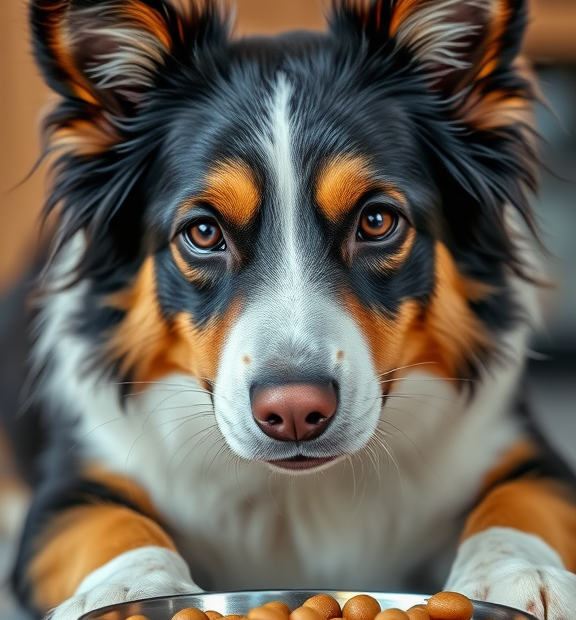
Can Dogs Eat Cat Food? Understanding the Nutritional Differences
When you’re a pet owner, it’s common to wonder about the diets of different animals. You might ask yourself, “Can dogs eat cat food?” It’s a great question, especially if your dog has sampled some of your cat’s meals. Understanding the nutritional differences between cat food and dog food can help prevent any health issues and keep your furry friends happy and healthy.
First, let’s look at the main difference in diets. Cats are obligate carnivores, meaning they must eat meat to survive. They need more protein than dogs do, along with certain nutrients that are found predominantly in animal bodies. On the other hand, dogs are omnivores, which means they can eat a mix of plant and animal foods. This fundamental difference dictates the nutritional makeup of cat food compared to dog food.
Here are some critical distinctions:
- Protein Content: Cat food usually contains a higher level of protein. While dogs require protein too, they can thrive on a diet with lower protein levels compared to cats.
- Taurine: Cats require an amino acid called taurine, which is essential for their heart and eye health. Dogs can produce taurine on their own, making it less of a necessary addition to their diet.
- Fat Content: Cat food typically has a higher fat content to meet a cat’s energy requirements. Dogs can consume diets with lower fat levels effectively.
- Vitamins and Minerals: The vitamin and mineral profile differs, as cats need more vitamin A and niacin than dogs. While dogs can convert beta-carotene into vitamin A from plant sources, cats must obtain it from animal tissue.
Now, you might wonder if it’s safe for dogs to have a taste of cat food every now and then. The short answer is yes, but moderation is key. If your dog sneaks a few bites of cat food occasionally, it is unlikely to cause harm. However, there are some risks to be aware of.
One of the primary concerns is if your dog consumes cat food regularly. Doing so can lead to weight gain due to the high-calorie content in cat food. Because it’s designed for more active and smaller animals like cats, the additional nutrients can lead to obesity in dogs. Obesity puts your dog at risk for various health problems, including joint issues and diabetes.
Moreover, a dog’s digestive system is not as adept at handling the rich flavors and high-fat content typical of cat food. Regular consumption can lead to gastrointestinal upsets like diarrhea or vomiting. If your dog has been tempted by a neighbor’s cat food dish or if you’ve caught them sneaking it at home, ensure to monitor their reaction. If you notice any adverse effects, consult your vet.
To mitigate risks, it’s essential to provide your dog with a balanced diet tailored to their specific needs. Here are some tips for maintaining your dog’s health:
- Feed appropriate dog food: Ensure you choose food that meets the nutritional guidelines set for dogs at their specific life stage, whether puppy, adult, or senior.
- Limit access to cat food: If you have both cats and dogs, store cat food where only cats can reach it, or feed your pets in separate areas to prevent dogs from snatching cat food.
- Consult your vet: If your dog shows a keen interest in cat food, or you have concerns about their diet, getting expert advice from a veterinarian can help you make the best decisions.
In the long run, dog food is specifically formulated to meet the nutritional needs of dogs. Cats and dogs have different dietary requirements, so while sharing may seem harmless, it’s best to stick to proper food for each pet. You want to ensure that your dog gets the balanced diet they need to thrive, which cannot be achieved by feeding them cat food regularly.
By understanding the differences in dietary needs, you can help keep your dog healthy and avoid the temptation to swap their meals with your feline friend. So, next time you hear that familiar crunch from the cat’s dish, you might want to redirect your dog with a tasty dog treat instead!
The Health Risks of Feeding Your Dog Cat Food
Many pet owners often wonder, “Can dogs eat cat food?” While it might be tempting to allow your dog to nibble on cat food, it’s essential to understand the potential health risks associated with this practice. Dogs and cats have different nutritional requirements, and feeding a dog cat food can lead to various health issues. Let’s explore the reasons why dog owners should think twice before sharing cat food with their furry friends.
First and foremost, cat food is formulated specifically for the dietary needs of cats. Cats require higher levels of certain nutrients, like protein and fat, to thrive. This formulation is not suitable for dogs. Here are some specific risks your dog could face if they frequently consume cat food:
- Obesity: Cat food is generally higher in calories than dog food. If your dog consumes it regularly, they might gain weight quickly. Obesity in dogs can lead to serious health problems, such as joint issues, diabetes, and heart disease.
- Digestive Problems: Dogs have different digestive systems than cats. The ingredients in cat food can be harder for dogs to digest. This could result in vomiting, diarrhea, or an upset stomach.
- Kidney Issues: Cat food often contains higher protein levels. Over time, this can put a strain on your dog’s kidneys, especially if they are older or predisposed to kidney disease.
- Nutritional Imbalance: Feeding your dog cat food can lead to deficiencies in essential nutrients that dogs need to be healthy. While some nutrients overlap, dogs require specific vitamins and minerals in different proportions than cats.
Beyond these health risks, feeding your dog cat food can create behavioral issues. When dogs learn that they can have access to cat food, they may start to reject their own food. You may notice an increase in begging or scavenging behavior, as dogs may become fixated on the cat’s food, leading to fussiness at mealtimes.
There are also safety concerns to consider. Cat food can sometimes contain components that are dangerous for dogs. For instance, certain fish-based cat foods might have additives or flavorings that are harmful to dogs. It’s crucial that you check labels and ingredients – even the presence of certain additives can have varying effects based on your dog’s health and dietary requirements.
For those wondering about a transition, if your dog accidentally snatches a few bites of cat food, it might not be a cause for immediate concern. A small amount occasionally may not cause harm. However, consistently making cat food a part of your dog’s diet is ill-advised. If you find that your dog enjoys cat food, you might consider finding a high-quality dog food that meets their nutritional needs while still satisfying their desire for tasty meals.
Here are some signs to watch for if your dog has eaten cat food:
- Vomiting or diarrhea
- Loss of appetite
- Excessive thirst
- General lethargy or unusual behavior
If you notice any of these signs, it is essential to consult with your veterinarian. Early detection and intervention can prevent more severe health issues down the line. Remember, your pet’s health is of utmost importance, and it’s always better to err on the side of caution when it comes to their diet.
The best practice for pet owners is to stick to food specifically formulated for your dog’s dietary needs. Providing a balanced, nutritious dog food that meets their life stage and health requirements is the key to ensuring your canine companion remains healthy and happy. Staying informed on the nutritional needs of your pets and resisting the temptation to feed them food not meant for them is essential in preventing potential health risks.
While sharing a little cat food with your dog may seem harmless, it can lead to serious health consequences. Keeping your dog on a proper diet ensures they enjoy a long, healthy life. Always prioritize their specific needs and consult your vet if you have any concerns about your dog’s diet and nutrition.
Conclusion
Feeding your dog cat food may seem harmless or even convenient at times, but it’s important to understand the nutritional differences between the two. Cat food is specifically formulated to meet the dietary needs of felines, which are vastly different from those of dogs. With higher levels of protein and fat, cat food can lead to digestive issues and other health problems for dogs if consumed regularly.
Health risks associated with occasional cat food consumption include obesity, pancreatitis, and gastrointestinal distress. Since dogs require a balanced diet that includes specific nutrients they can’t obtain from cat food alone, relying on it can lead to nutrient deficiencies over time. It’s crucial to prioritize your dog’s health by providing a diet specifically designed for their needs instead of using cat food as a substitute.
If your dog happens to nibble on cat food, it may not pose an immediate danger, but regular access can lead to bigger health concerns. To keep your furry friend safe, feed them a high-quality dog food tailored to their size, age, and activity level. If you’re ever uncertain about your pet’s diet or if they exhibit unusual symptoms after consuming cat food, it’s best to consult your veterinarian for advice. Your dog’s health and happiness hinge on the right nutrition, and choosing the correct food is vital in ensuring a long and active life for your beloved companion.