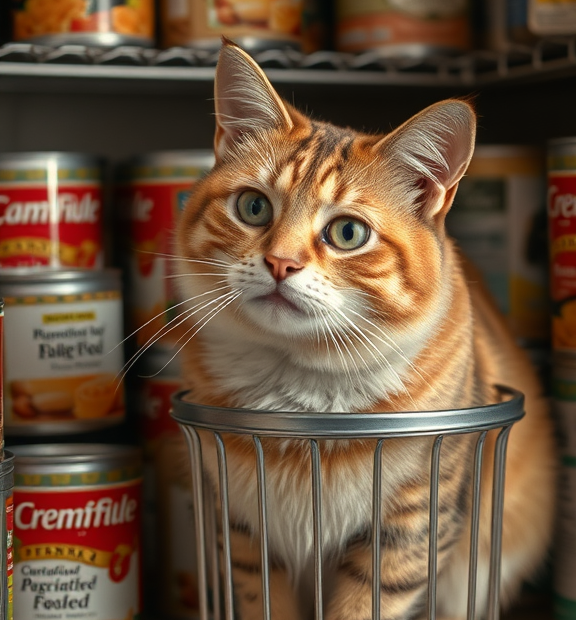
Best Practices for Canned Cat Food Storage: Keeping Your Pet’s Food Fresh and Safe
Canned cat food is a staple for many pet owners, providing your feline friends with nutrition and flavor. However, proper storage is crucial to maintaining its freshness and safety. Understanding best practices for canned cat food storage can help ensure your pet enjoys every meal without compromising their health.
First and foremost, you need to pay attention to the expiration date on the can. Although canned food has a long shelf life due to its sealed nature, it is always best to check for this date before purchasing and consuming. Consuming cat food beyond its expiration can lead to health issues. Therefore, always organize your cat food stock, placing the older cans in front so they are used first.
When it comes to storage locations, think about the temperature. Canned cat food should be stored in a cool, dry place, away from direct sunlight. A pantry or cupboard is usually ideal. High temperatures can cause the food to spoil or change in texture, flavor, or nutritional content. Avoid placing the cans in places like garages or near windows where they may overheat.
If you have opened a can of cat food, leftovers must be handled carefully. Here are some effective practices for storing opened canned cat food:
- Cover the Can: Once opened, ensure to cover the can with a plastic lid specifically designed for canned food. You can also use plastic wrap. This will help keep the food fresh and prevent it from absorbing odors from your refrigerator.
- Refrigerate Promptly: Put the covered can in the refrigerator within two hours of opening. Leaving it out longer can increase the risk of bacterial growth, which can be harmful to your cat.
- Consume Within a Few Days: Use the opened cat food within 5 to 7 days. After this period, the food may start losing its quality and nutritional value.
- Check for Spoilage: Always inspect the food before feeding it to your cat. Look for changes in texture, color, or smell. If anything seems off, it is better to discard the food.
Always remember that transferring opened food to a sealed container can be beneficial. Many pet owners prefer using airtight containers to store leftover canned food. This type of storage helps maintain freshness and prevents the food from being exposed to air and moisture that can lead to spoilage.
Identifying the right container is also important. Look for BPA-free plastic or glass containers that are safe for storing food. Ensure they are easy to clean and that they fit comfortably in your refrigerator. Using appropriate containers allows for better organization and quicker access during feeding time.
Besides proper storage techniques, understand that the feeding routine can also affect how you store canned cat food. Planning your cat’s meals helps you avoid opening multiple cans unnecessarily. By knowing how much your cat eats daily, you can open only what you need, reducing potential wastage and ensuring the food remains fresh.
Avoid freezing canned cat food. Although freezing is often a good preservation method for many food items, canned cat food does not fare well in the freezer. Freezing can alter the texture and taste of the food, making it unappetizing for your pet. Instead, focus on keeping the food refrigerated once opened and consuming it within the recommended timeframe.
By adhering to these best practices, you will ensure that your cat’s canned food remains fresh and safe. This approach not only maintains your pet’s health but can also save you money by minimizing food waste. So, whether you’re a seasoned cat owner or new to feline care, remember that proper storage of canned cat food is an essential part of keeping your beloved pet happy and healthy.
The Impact of Proper Storage on the Nutritional Value of Canned Cat Food
When it comes to keeping your feline friend healthy, the nutrition in their food plays a crucial role. Canned cat food is a popular choice among pet owners due to its convenience and rich nutritional content. However, the way you store this food can significantly affect its nutritional value. Understanding proper storage techniques will help ensure that the food you offer your cat remains fresh and nutritious.
Why Proper Storage Matters
Storing canned cat food correctly is vital for several reasons. First and foremost, it helps maintain the food’s flavor and aroma, making it more appealing to your pet. Additionally, improper storage can lead to spoilage, resulting in a loss of essential nutrients that your cat needs for overall health.
Factors Affecting Nutritional Value
Several factors influence the nutritional content of canned cat food. Knowing these can help you take better care of your cat’s meals:
- Temperature: Extreme temperatures can degrade vitamins and minerals in the food.
- Exposure to Air: Oxygen can cause fats in the food to go rancid and nutrients to break down.
- Light Exposure: Light can also negatively affect certain nutrients, especially if the cans are left in bright areas.
Best Practices for Canned Cat Food Storage
Here are some effective storage practices to preserve the nutritional quality of canned cat food:
1. Keep it in a Cool, Dry Place
Store unopened cans in a cool, dry pantry or cupboard. The ideal temperature is between 50°F and 70°F. Avoid places prone to humidity, like kitchens or near windows.
2. Seal Opened Cans Properly
Once you open a can of cat food, the clock starts ticking on its freshness. Always cover the opened can with a plastic lid specifically designed for pet food. If you don’t have one, wrap the can tightly with plastic wrap or aluminum foil. This minimizes exposure to air and keeps moisture out.
3. Refrigerate Leftovers
If your cat doesn’t finish the entire can, it’s important to refrigerate the leftovers. Store the opened can in the fridge and use it within 24 to 48 hours. This practice not only helps in maintaining nutritional quality but also prevents bacterial growth.
4. Check Expiration Dates
Always pay attention to the expiration date on the can. Even if the can looks fine, expired food may not provide the nutrition your cat needs. Rotate your stock by placing newer cans behind older ones to use them first.
Signs of Spoilage
It’s important to be vigilant about the condition of your cat’s food. Here are some signs that canned food has spoiled:
- Unpleasant odor: If the food smells rancid or off, it’s best to discard it.
- Changes in texture: Avoid feeding food that has become overly dry or watery.
- Color changes: Any unusual discoloration can indicate spoilage.
- Mold: Visible mold means the food is no longer safe for consumption.
Utilizing Feeding Schedules
If you have multiple cats or feed your cat at particular times, consider using a feeding schedule. Only open a new can when needed to minimize spoilage. A schedule can help you optimize the storage and freshness of the food.
Consider Using Smaller Cans
If you find that your cat doesn’t finish an entire can, look for smaller portion sizes. Smaller cans can reduce waste and ensure that your cat enjoys fresh food regularly. They also provide an easier way to manage leftovers.
Proper storage of canned cat food plays a critical role in maintaining its nutritional value. By taking these simple steps, you can help ensure that your cat receives the best possible nutrition in every meal. After all, a healthy cat is a happy cat!
Conclusion
Ensuring that you store canned cat food correctly is essential for maintaining its freshness and nutritional value. By following best practices, such as keeping cans in a cool, dry place and using vacuum-sealed containers for opened food, you can significantly extend the shelf life and quality of your pet’s meals. Proper storage not only protects your cat’s food from spoilage but also preserves the vital nutrients that contribute to overall health.
Remember, just because a can of cat food has not reached its expiration date does not mean it remains good indefinitely after opening. Always use opened food within a few days and refrigerate any leftovers in an airtight container. This careful attention to storage practices ensures that your feline friend enjoys every meal, rich in the nutrients they need to thrive.
By adopting these strategies, you are taking a proactive approach to your cat’s well-being. Not only will this help you avoid waste, but it also guarantees that your pet receives the highest quality food, which is crucial for their long-term health. Ultimately, a little effort in storing canned cat food can lead to happier meals and a healthier, more energetic cat. Your commitment to proper storage practices is a simple yet impactful way to show love for your furry companion.