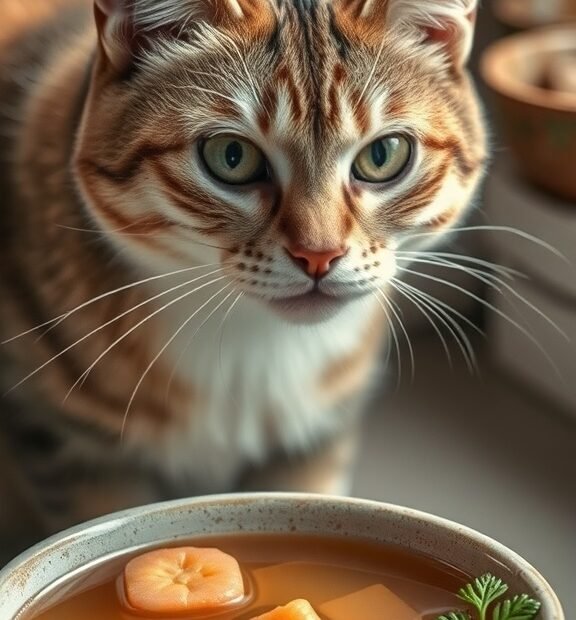
The Benefits of Cat Broth Food for Your Feline Friend
Are you looking for a nutritious and delicious treat for your kitty? Cat broth food might be just what you need! Many pet owners are discovering the benefits of adding this tasty option to their feline friends’ diet. Cat broth food is not only flavorful but also packed with nutrients that support your cat’s health.
One reason that cat broth food is so appealing is its high moisture content. Cats often don’t drink enough water, which can lead to various health issues, including urinary tract problems. Adding broth to their meals can help increase their water intake. It’s a simple way to keep your feline hydrated while also making their food more palatable.
Another wonderful advantage of cat broth food is its rich flavor. Cats are notorious for being picky eaters. If your cat has been turning their nose up at their usual kibble, a savory broth can entice them to eat more. This is especially beneficial for cats recovering from illness or surgery, as they may have reduced appetites. A warm bowl of cat broth can stimulate their senses and encourage them to consume more food.
When you choose cat broth food, you are giving your cat a boost of essential nutrients. Homemade broth can be packed with vitamins, minerals, and protein that contribute to overall well-being. For example, chicken broth contains amino acids that support muscle growth, while bone broth is rich in collagen, which is beneficial for joint health.
Creating homemade cat broth is also a fantastic way to ensure that your furry friend gets the highest quality ingredients. Here’s a simple recipe to try:
- 1 pound of chicken bones or meat (such as thighs or legs)
- 8-10 cups of water
- A splash of apple cider vinegar (to help extract nutrients from the bones)
- Simmer for 24 hours, then strain and cool before serving.
This recipe is easy to follow and allows you to control what goes into your cat’s food. You can always adjust the ingredients by adding in small amounts of cat-friendly vegetables like carrots or peas. Be sure to avoid using onions or garlic, as they can be toxic to cats.
In addition to homemade options, many commercial cat broth foods are now available. These often come in convenient pouches or cans and can be a hassle-free choice for busy pet owners. When choosing a store-bought broth, look for options with minimal additives and preservatives. Natural ingredients should be a top priority to ensure you’re giving your cat the best possible nutrition.
Using cat broth food as a food topper or a liquid meal can also be a creative way to enhance your cat’s meals. It can transform dry food into a gourmet feast, making it look and smell irresistible. This can be especially useful when transitioning your cat to new food or trying to introduce different flavors into their diet.
Moreover, cat broth food can aid in digestion. The gelatin found in bone broth can help soothe your cat’s gut and promote healthy digestion. This is particularly important for older cats or those with sensitive stomachs. The easily digestible nutrients can ensure your cat gets the most out of their meals.
For cats prone to hairballs, a broth can help manage and reduce incidents. Keeping your cat hydrated allows for smoother digestion and can help minimize the amount of hair they regurgitate. As a bonus, the added hydration can foster a healthier coat, leading to fewer mats and tangles.
Incorporating cat broth food into your pet’s diet can bring a host of health benefits. From enhancing hydration to boosting nutrient intake, this tasty addition deserves a place in your kitty’s meal plan. If you haven’t tried it yet, consider giving your feline friend the joy of cat broth food and watch as their health and happiness thrive!
How to Prepare Homemade Cat Broth Food: A Step-by-Step Guide
Making homemade cat broth food can be a delightful treat for your feline friend. Not only does it offer hydration, but it also serves as a delicious meal option, especially for picky eaters or those recovering from illness. Here’s a simple guide to ensure that your cat enjoys a tasty and nutritious broth.
Gather Your Ingredients
Before you start cooking, it’s essential to have all the ingredients handy. Here’s a list of what you’ll need:
- 1 pound of chicken bones (preferably raw, with some meat attached)
- 1 carrot, sliced
- 1 celery stalk, chopped
- Water (enough to cover the ingredients)
- A pinch of salt (optional)
- 1-2 tablespoons of cat-friendly herbs (like catnip or parsley)
Step 1: Prepare the Bones
Begin by rinsing the chicken bones under cold water. This helps remove any residual blood or impurities. If you’re using raw bones, ensure they’re fresh. Cooking raw bones not only enhances flavor but also helps to release nutrients. You can use bones from a rotisserie chicken, but avoid those that have seasoning or sauces.
Step 2: Add Vegetables
Slice your carrot and chop the celery into small pieces. While cats don’t need a lot of vegetables, adding a small amount can provide some extra nutrients and give the broth more flavor. Ensure that the vegetables are pet-safe and avoid anything toxic, like onions or garlic.
Step 3: Combine Ingredients
In a large pot, place the rinsed chicken bones along with the sliced carrots and chopped celery. Pour in enough water to cover the ingredients. Too much water can dilute the flavor, while too little will make it difficult for the bones to properly cook. Aim for a good balance.
Step 4: Simmer the Broth
Heat the pot over medium heat until it reaches a gentle boil. Once boiling, reduce the heat to low and cover the pot, allowing it to simmer for 2 to 4 hours. This time allows the flavors to meld and the nutrients to leach from the bones into the broth.
Step 5: Strain the Broth
After simmering, remove the pot from the heat. Carefully strain the broth through a fine-mesh sieve or cheesecloth into another container. This step is crucial as it removes any solids and leaves you with smooth, flavorful broth. Discard the bones and vegetables, as they can be harmful to cats when ingested.
Step 6: Cool and Store
Allow the broth to cool completely. Once cooled, you can store it in airtight containers in the refrigerator for up to 5 days or freeze it for up to 6 months. If you freeze it, consider using ice cube trays for easy portioning.
Step 7: Serve It Up
When it’s time to serve your homemade cat broth food, pour a small amount into your cat’s dish. You can offer it on its own as a treat or mix it with dry kibble or wet food for extra flavor. Just ensure it’s at a lukewarm temperature before serving to avoid burning your cat’s mouth.
Additional Tips for Homemade Cat Broth Food
To make your broth even more appealing, consider the following tips:
- Use a variety of meats like beef or fish, but make sure they’re safe for cats.
- For added flavor, toss in a bit of tuna juice or low-sodium seafood stock.
- Always consult with your veterinarian before introducing new foods, especially for cats with existing health issues.
- Keep an eye on your cat’s preferences; they can be picky eaters and may have specific tastes.
Homemade cat broth food is a wonderful way to pamper your pet, ensuring they get a rich, flavorful, and nutrient-packed dish. Enjoy the process, and watch as your cat savors every sip!
Conclusion
Feeding your cat broth food is a wonderful way to boost their health and overall well-being. The benefits of cat broth food are numerous—it can improve hydration, support kidney function, and even encourage picky eaters to enjoy their meals. By incorporating this nutritious option into your cat’s diet, you are providing them with essential nutrients while making mealtime more exciting.
Preparing homemade cat broth is a straightforward and rewarding process. With just a few ingredients and simple steps, you can create a delicious broth that caters to your cat’s taste buds. Using fresh meat, bones, and water, you ensure that your furry friend receives a meal that is both safe and nourishing. A homemade option eliminates the risk of additives and preservatives commonly found in store-bought versions, giving you peace of mind about what you are serving your pet.
Whether you choose to serve broth as a standalone treat or mix it with dry kibble, it can greatly enhance your cat’s eating experience. You can easily adjust the recipe based on their preferences, ensuring that mealtime remains enjoyable and tailored to their needs.
By regularly incorporating cat broth food into your pet’s diet, you are taking an active role in supporting their health and happiness. This simple addition can make a significant impact on your cat’s life, providing them with the nourishment they need for a longer, healthier life. Embracing homemade cat broth food is an easy way to show your love and commitment to your furry companion’s well-being.