Comparing Effectiveness: Cat Calming Collars vs Diffusers for Reducing Feline Anxiety
Cats often struggle with anxiety, which can affect their behavior and overall well-being. Many pet owners look for effective solutions like calming collars and diffusers. Both tools claim to help reduce feline anxiety, but how do they compare in effectiveness?
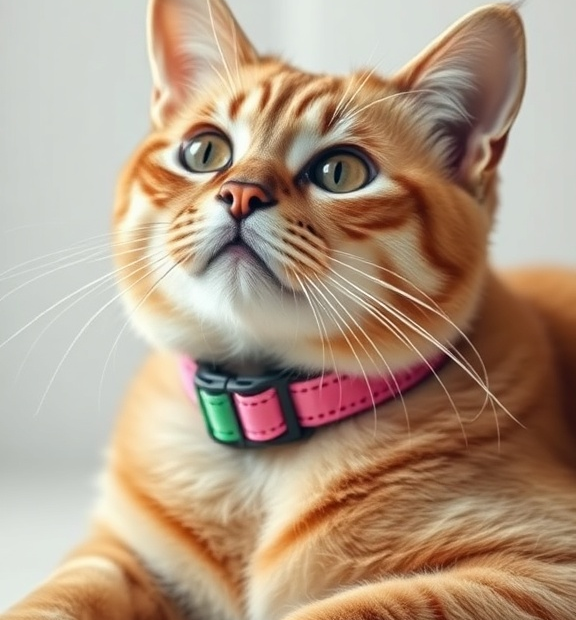
Calming collars are infused with pheromones, which simulate the natural scent that mother cats produce. This helps provide a sense of comfort for cats. They are easy to use: simply place the collar around your cat’s neck. Many owners report positive changes in their pets’ behavior after using these collars. However, there are several factors to consider.
On the other hand, diffusers disperse synthetic pheromones in the air. They plug into an electrical outlet and emit a steady stream of calming pheromones that help create a peaceful environment for your cat. Diffusers often cover a larger area than collars, which can be beneficial if you have more than one cat or live in a bigger space.
Effectiveness of Cat Calming Collars
Calming collars usually start working within hours. They release pheromones slowly over time, lasting up to 30 days. Here are some specific advantages:
- Direct contact: The collar stays close to your cat, ensuring they receive a stronger dose of calming pheromones.
- Portability: Your cat can wear it anywhere, making it easier to calm them during travel or stressful outings.
- Low maintenance: Just put the collar on, and there’s no need for refills or replacement until the collar wears out.
However, collars can have some drawbacks. If your cat tends to scratch or chew on it, the collar might not be effective. Additionally, some cats may be sensitive to the materials used in the collar itself.
Effectiveness of Diffusers
Diffusers can take longer to show results, often requiring a few days to start working. However, they might be more appropriate in certain situations:
- Wider coverage: Diffusers work best in larger spaces, providing comfort to all pets in the area.
- Non-intrusive: Since diffusers are stationary, your cat won’t have to wear anything that could irritate them.
- Consistent supply: Diffusers provide a continuous release of pheromones, ensuring that your cat stays calm over a longer period.
Yet, diffusers have some cons as well. If your cat prefers one specific area of the house, they might not get the full benefit. Furthermore, you will need to replace the pheromone liquid regularly to maintain effectiveness.
Combining Calming Collars and Diffusers
In some cases, using both calming collars and diffusers may provide the best outcome. The collar can give your cat immediate comfort while the diffuser creates a calming environment in the home. This two-pronged approach can address different aspects of your cat’s anxiety.
Understanding your cat’s specific needs is essential before choosing a type of calming aid. Consider their behavior, environment, and preferences. Pay attention to how they react to these products, as individual responses can vary significantly.
Additional Strategies for Reducing Feline Anxiety
Along with calming collars and diffusers, there are various other methods you can try to help reduce your cat’s anxiety:
- Routine: Maintain a consistent daily routine to provide stability for your cat.
- Safe spaces: Create a quiet area where your cat can retreat when feeling stressed.
- Interactive play: Engage your cat with toys to provide mental stimulation and physical activity.
- Consult your vet: If anxiety persists, discuss possible behavioral therapies or medications with your veterinarian.
Understanding the differences between calming collars and diffusers can help you make an informed decision for your anxious feline. Remember that every cat is unique, so it may take some experimentation to find the best solution for your pet. Keep observing their behavior as you try different methods, and soon enough, you’ll find a combination that helps your furry friend feel more relaxed.
Understanding the Causes of Anxiety in Cats and How to Address Them
Anxiety in cats is a common concern for pet owners. Understanding the causes can help you find effective ways to support your feline friend. Various factors can lead to anxiety in cats, and addressing these issues is essential for their well-being.
Common Causes of Anxiety in Cats
Several reasons can trigger anxiety in your cat. Knowing these can guide you to better solutions.
- Environmental changes: A new home, moving furniture, or even new pets can create stress.
- Loud noises: Thunderstorms, fireworks, or loud machinery can frighten cats.
- Separation anxiety: Cats are social animals and may experience distress when left alone.
- Health issues: Pain or illness can lead to anxiety; it’s vital to consult a vet if you notice changes in behavior.
- Past trauma: Cats that have faced abuse or stressful situations may develop anxiety as a coping mechanism.
Behavioral Signs of Anxiety
Your cat may exhibit various behaviors when anxious. Recognizing these signs early is crucial for effective management.
- Excessive grooming: Cats may groom themselves more than usual, leading to skin issues.
- Hiding: A stressed cat may seek refuge in small spaces or under furniture.
- Aggression: Cats may act out, hissing or swatting, even at familiar people.
- Increased vocalization: An anxious cat may meow or yowl more than normal.
- Changes in appetite: Cats may eat less or more when they’re stressed.
How to Address Cat Anxiety
Once you identify the causes and signs of anxiety in your cat, you can begin to address them. Here are some strategies that may help:
- Provide Safe Spaces: Create quiet areas in your home where your cat can retreat and feel secure.
- Use Calming Products: Consider calming collars, sprays, or diffusers that release pheromones to soothe your cat.
- Maintain Routine: Cats thrive on routine. By sticking to a feeding and play schedule, you can help your cat feel more secure.
- Engage in Play: Regular playtime can distract your cat from anxious thoughts, allowing them to expend excess energy.
- Consult a Veterinarian: If your cat’s anxiety is severe, a vet can recommend treatment options, including behavioral therapy and medication.
Creating a Stress-Free Environment
Our homes can sometimes contribute to a cat’s anxiety. Making proactive changes can make a big difference.
- Reduce Noise: If possible, keep your cat away from loud areas of the house during storms or events.
- Provide Vertical Space: Cats love to climb. Ensure they have access to shelves or cat trees for climbing and perching.
- Secure the Environment: Ensure windows and doors are secure; frightened cats may attempt to escape.
- Limit Access to Guests: If your cat is shy, allow them to hide away from unfamiliar visitors.
Understanding Your Cat’s Body Language
Being aware of your cat’s body language can be a powerful tool in understanding their feelings.
- Tails: A tail held high indicates confidence, while a low or puffed tail suggests anxiety.
- Ears: Ears turned back or pointed sideways can be signs of stress.
- Purring: While purring usually indicates contentment, it can also signal discomfort in anxious situations.
By being attentive to your cat’s behavior and environment, you can create a happier, calmer space for them. Remember that patience is key; overcoming anxiety in your cat can take time. Working with your veterinarian and employing thoughtful strategies can lead to improved emotional well-being for your furry friend.
Conclusion
Deciding between cat calming collars and diffusers involves understanding your feline friend’s specific needs and the nature of their anxiety. Both options offer unique advantages, making them suitable for different situations. Calming collars are generally more portable and can provide a consistent level of calming pheromones as your cat moves around. This can be particularly beneficial for anxious cats who feel stressed outside their usual environment. On the other hand, diffusers tend to cover a larger area and can create a serene atmosphere within your home, ideal for multiple cats or larger spaces.
Recognizing the root causes of your cat’s anxiety is crucial before selecting a remedy. Stressors may include changes in environment, loud noises, or even new additions to the household. Once you identify these triggers, you can better tailor your approach to soothing their anxiety, whether it’s opting for a collar, diffuser, or even a combination of calming techniques.
It’s vital to monitor your cat’s reaction to whichever method you choose. While some cats may respond remarkably well to calming collars, others may find diffusers to be more effective. Each cat is unique, and finding the right solution may require some experimentation. Additionally, combining behavioral enrichment—like interactive play—and environmental adjustments with calming products may yield the best outcomes. Ultimately, prioritizing your cat’s comfort will lead to more peaceful days and a happier relationship between you and your furry companion. Keep experimenting and remain patient, as the journey can be just as important as the destination.