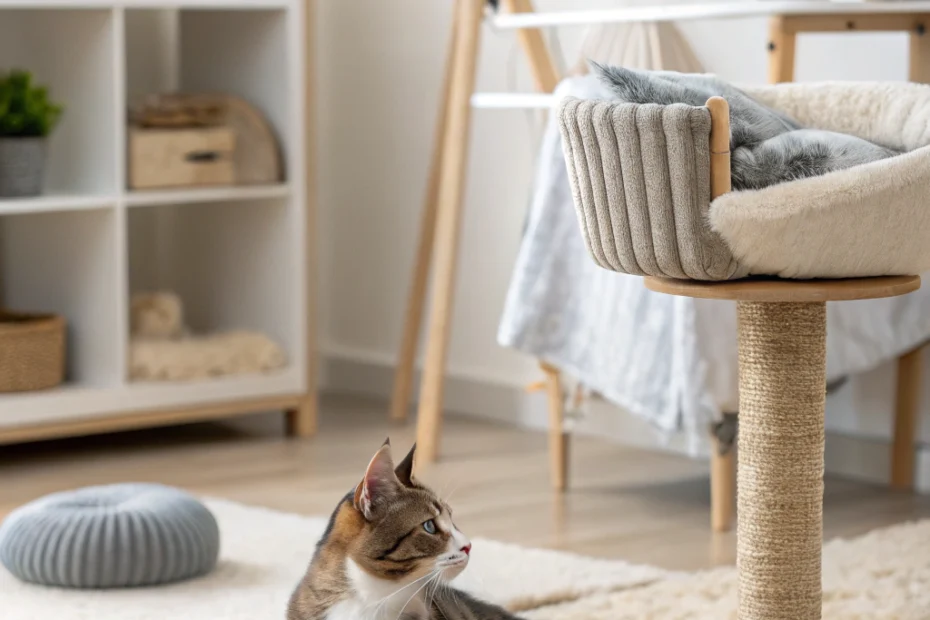
Dealing with cat clawing furniture can be both frustrating and damaging to your home’s interior. Understanding why your cat engages in this behavior is crucial for finding effective solutions. This article will guide you through the reasons behind cat scratching and provide you with strategies to protect your furniture while ensuring your feline friend remains happy and healthy.
cat clawing furniture at a Glance: Key Facts for Cat Owners
Cats claw furniture for several reasons, including marking territory, sharpening their claws, and stretching their muscles. This behavior is natural and instinctual, but it can lead to significant damage if not managed properly. Here are some key points to consider:
- Instinctual Behavior: Scratching is a natural behavior that helps cats maintain their claws.
- Communication Tool: Cats use scratching to mark their territory with both visual and scent marks.
- Physical and Mental Health: Scratching provides necessary exercise and helps relieve stress.
How to Choose
When addressing cat clawing furniture, selecting the right cat furniture and accessories is essential. Consider these factors:
Cat’s Age and Activity Level
Kittens and young cats may need more interactive furniture compared to older, less active cats. Choose pieces that suit your cat’s age and energy levels.
Material and Durability
Opt for durable materials that can withstand frequent scratching. Sisal, wood, and sturdy fabric are commonly recommended.
Space and Home Setup
Ensure the furniture fits your living space. Multi-level cat trees or wall-mounted options can be great for smaller homes.
Budget Considerations
Find a balance between cost and quality. Sometimes investing a bit more can save you money by preventing further damage to your furniture.
Safety & Setup
Ensuring your cat’s safety while setting up new furniture is paramount. Here are some tips:
Introduce new furniture gradually, allowing your cat to explore at their own pace. Ensure all pieces are stable and won’t tip over. Avoid using hazardous materials like small parts that can be swallowed. If your cat shows signs of stress or anxiety, it may help to consult with a veterinarian or a professional animal behaviorist.
Core Pillars
Successfully managing cat clawing furniture involves focusing on several core principles:
- Consistency: Maintain a consistent environment and routine to help your cat feel secure.
- Environment: Provide a stimulating environment with plenty of approved scratching surfaces.
- Monitoring: Regularly observe your cat’s behavior to catch any issues early.
- Positive Reinforcement: Encourage your cat to use designated scratching areas with rewards and praise.
Placement & Environment Tips
Placement of cat furniture can significantly impact its effectiveness. Here’s how to optimize your home setup:
Place scratching posts and furniture in areas where your cat already likes to scratch. Ensure these areas are easily accessible and not tucked away in corners. Consider positioning scratching posts near windows or in sunlit areas, as these are often attractive spots for cats.
Comparison with Alternatives
There are several alternatives to traditional cat furniture that you might consider:
- Scratching Pads: These are portable and can be placed in various locations around your home.
- Wall-Mounted Scratching Posts: Ideal for saving space and adding vertical interest.
- Temporary Solutions: Furniture covers and deterrent sprays can be used in conjunction with more permanent solutions.
While each option has its benefits, traditional cat furniture often provides a more comprehensive solution by catering to your cat’s need for climbing and perching.
FAQs
Why do cats scratch furniture?
Cats scratch furniture to mark their territory, sharpen their claws, and stretch their bodies.
Can I train my cat not to scratch furniture?
Training a cat to avoid scratching furniture involves providing alternative scratching surfaces and using positive reinforcement.
Are there any deterrents to stop cats from scratching furniture?
Yes, deterrent sprays and furniture covers can help, but they should be used alongside positive reinforcement and alternative options.
What materials are best for scratching posts?
Sisal, wood, and sturdy fabrics are commonly recommended for durability and texture.
How often should I replace cat furniture?
Replace cat furniture when it shows significant wear or becomes unstable to ensure your cat’s safety.
What to Do Next
Managing cat clawing furniture requires patience and a proactive approach. Begin by assessing your current setup and identifying areas for improvement. Introduce new cat furniture gradually, monitor your cat’s behavior, and employ the strategies outlined in this article to create a harmonious living environment for both you and your feline friend. Remember, working in partnership with your veterinarian can provide additional insights tailored to your cat’s specific needs.
Disclaimer: Always consult your veterinarian for personalized advice regarding your cat’s health.