At-a-Glance
Cats are obligate carnivores, and their diet plays a crucial role in their health and wellbeing. When it comes to choosing between dry food and wet food, many cat owners find themselves at a crossroads. Understanding the differences, benefits, and considerations of each can help you make an informed decision for your feline friend.
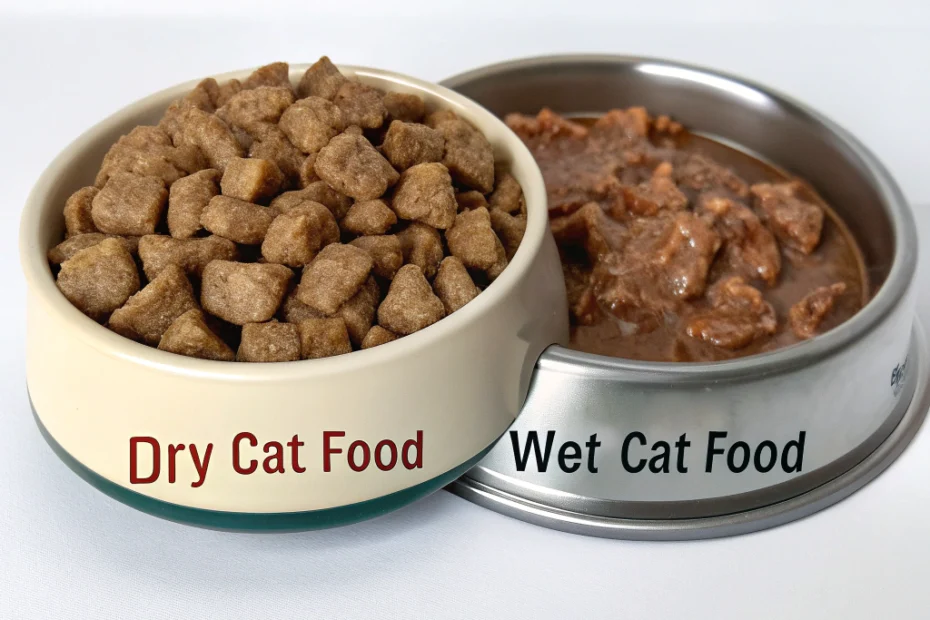
- Dry Food: Known for its convenience and longer shelf life, dry food is a popular choice among cat owners.
- Wet Food: Often preferred for its high moisture content, wet food can be beneficial for hydration and palatability.
Both options have their pros and cons, and the best choice depends on your cat’s individual needs and preferences.
How to Choose
Choosing between dry and wet cat food involves considering various factors, including your cat’s dietary needs, preferences, and any specific health conditions.
- Nutritional Value: Ensure the food meets AAFCO standards for complete and balanced nutrition.
- Hydration Needs: Wet food can support hydration, especially for cats that do not drink much water.
- Dental Health: Dry food may help reduce plaque buildup, but it should not replace regular dental care.
- Convenience: Consider how much time you can dedicate to feeding. Dry food is often more convenient for busy schedules.
- Cost: Budget can influence your choice, as wet food is typically more expensive than dry food.
Safety & Setup
When feeding your cat, safety and proper setup are essential to ensure a healthy eating environment.
- Storage: Keep dry food in a cool, dry place and seal the bag tightly. Wet food should be stored in the refrigerator and used within a few days of opening.
- Feeding Schedule: Establish a regular feeding schedule to prevent overeating and maintain a healthy weight.
- Cleanliness: Regularly clean food bowls to prevent bacterial buildup.
- Fresh Water: Always provide fresh, clean water alongside any food.
Core Pillars
Understanding the core pillars of cat nutrition can guide you in selecting the best food option.
- Protein: High-quality animal protein should be the primary ingredient in both dry and wet cat food.
- Fats: Essential fatty acids like omega-3s are important for a healthy coat and skin.
- Carbohydrates: Cats require fewer carbohydrates, so choose a food with limited fillers and grains.
- Vitamins and Minerals: Ensure the food contains essential nutrients like taurine, calcium, and phosphorus.
Placement & Environment Tips
The environment where your cat eats can impact their eating habits and overall comfort.
- Quiet Area: Feed your cat in a quiet, low-traffic area to minimize stress and distractions.
- Separate Feeding Stations: If you have multiple cats, provide separate feeding stations to prevent competition and aggression.
- Consistent Location: Keep the feeding area consistent to create a routine and sense of security.
Comparison with Alternatives
Aside from dry and wet food, there are other feeding options such as raw diets and homemade meals. These alternatives require careful preparation and a thorough understanding of feline nutrition to ensure they meet your cat’s dietary needs. Always consult with a veterinarian before switching to an alternative diet.
FAQs
Q: Can I mix dry and wet food?
A: Yes, mixing both types can provide a balance of benefits, offering variety and potentially enhancing hydration.
Q: How much should I feed my cat?
A: The amount depends on your cat’s weight, age, and activity level. Follow the feeding guidelines on the package and adjust as needed.
Q: How do I know if my cat prefers one type over the other?
A: Observe your cat’s eating habits and preferences. Some cats may show a clear preference for one type based on taste and texture.
What to Do Next
After considering the pros and cons of dry and wet cat food, observe your cat’s health and behavior to determine the best fit. Consider consulting with your veterinarian to tailor a diet plan that supports your cat’s health and lifestyle. Remember, every cat is unique, and what works for one may not be ideal for another.
Disclaimer: Always consult your veterinarian for personalized advice regarding your cat’s health.