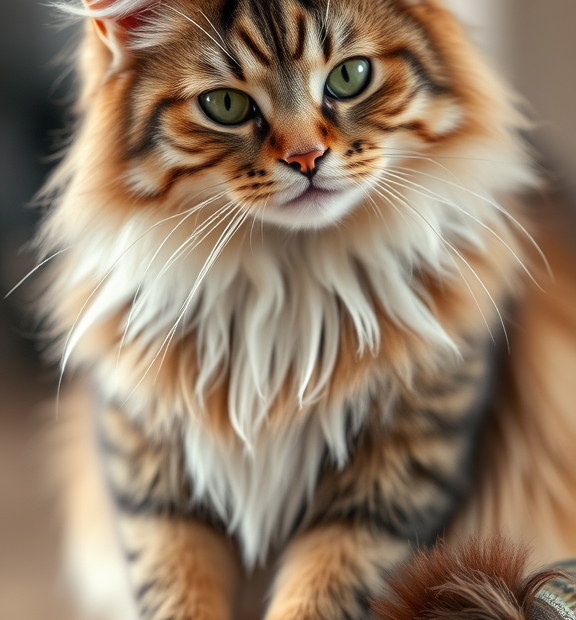
Cat Eat Problem After Grooming or Stress: Causes and Signs in Maine Coons
Understanding Why Your Maine Coon Might Stop Eating After Grooming or Stress
Maine Coons are known for their friendly nature and thick luxurious coats, but sometimes, after grooming sessions or stressful situations, they may suddenly lose interest in food. If your Maine Coon isn’t eating after being groomed, or following a stressful event, it’s important to recognize the underlying causes and signs so you can help your pet recover swiftly.
Cats generally dislike change, and grooming, although necessary, can be quite an ordeal for some. Stress, whether from environmental changes, loud noises, vet visits, or unfamiliar people and animals, can also upset a cat’s delicate balance. A drop in appetite following these experiences is a common reaction, but prolonged lack of eating can lead to more severe health problems, especially in large breeds like the Maine Coon.
Common Causes of Eating Problems After Grooming or Stress in Maine Coons
1. Physical Discomfort from Grooming
Grooming tools such as brushes and clippers can sometimes irritate sensitive skin. Maine Coons have dense fur, and improper or rough grooming might cause discomfort or even pain. If your cat feels sore or tender, it may avoid eating to not draw attention to the discomfort.
2. Anxiety and Stress Response
The grooming process itself can trigger anxiety. For some cats, being handled, restrained, or suddenly detached from their usual environment can cause a stress response. This stress disrupts their digestive system and appetite. Stress usually activates the “fight or flight” response, which halts appetite temporarily.
3. Scent Changes and Behavioral Factors
Cats rely heavily on their scent to feel secure. After grooming, a Maine Coon’s scent may change significantly. This unfamiliar smell can confuse or unsettle your pet, causing eating refusal. Similarly, stress alters the cat’s normal routine and can make mealtime less appealing.
4. Underlying Health Issues
Sometimes, an unwillingness to eat after grooming or stressful events signals health concerns. Dental disease, mouth sores, or illness triggered or aggravated by stress might be at play. Always monitor your Maine Coon closely if appetite loss persists for more than 24-48 hours.
Signs to Watch for If Your Maine Coon Has Eating Problems Post-Grooming or Stress
Knowing the warning signs helps you take action before the problem worsens. Look for these symptoms:
- Refusal to eat: Ignoring food bowls or turning away when feeding time arrives.
- Excessive hiding: Retreating to secluded spots to escape disturbance or stress.
- Excessive licking or grooming: Over-grooming patches of fur especially where grooming occurred.
- Changes in behavior: Agitation, restlessness, or even lethargy.
- Weight loss: Slight or rapid weight drop reflecting poor food intake.
- Vomiting or diarrhea: Digestive upset linked to stress or anxiety.
How to Help Your Maine Coon Reset and Regain Appetite After Stress or Grooming
Helping your Maine Coon recover from a grooming session or stressful episode calls for patience and gentle care. Here are some effective strategies:
Create a Calm Environment
Ensure your cat’s environment feels safe and quiet post-grooming. Soft lighting, familiar toys, and a cozy resting spot help reduce anxiety.
Offer Fresh, Appealing Food
Warm the meal slightly to release odors that trigger appetite. Try tempting your cat with high-quality wet food or treats to entice feeding. Small frequent meals can be easier for a stressed cat to handle.
Reintroduce Grooming Gradually
If grooming causes anxiety, break the sessions into shorter, more frequent visits rather than one long session. Use gentle grooming tools designed for sensitive coats and always reward your cat afterward with praise or treats.
Maintain Routine and Consistency
Cats thrive on routine. Try to keep feeding times, playtime, and grooming on a consistent schedule. This predictability provides a sense of security.
Provide Comfort Through Touch and Pheromones
Gentle petting can reassure a nervous cat. Additionally, consider using feline pheromone diffusers or sprays designed to soothe stress and anxiety, which can encourage eating.
Monitor Your Cat’s Health Closely
If appetite loss lasts beyond 48 hours or your Maine Coon shows signs of illness like vomiting, lethargy, or weight loss, seek veterinary advice immediately. Your vet may need to check for infections, dental pain, or other health problems masked by stress-related symptoms.
Preventive Tips for Easier Grooming and Stress Management
Avoid future eating issues by preparing your Maine Coon ahead of grooming:
- Acclimate your cat gently to grooming tools well before the session.
- Use calm voices and soothing tones to ease anxiety during grooming.
- Keep the grooming area quiet and free from distractions.
- Provide interactive toys to reduce stress and divert nervous energy.
- Maintain regular health checks to catch any physical issues early.
Maintaining your Maine Coon’s comfort and emotional well-being during grooming and stressful times promotes a healthy appetite and overall happiness. By recognizing the causes and signs of eating problems after grooming or stress, you can take proactive steps to support your fur friend’s recovery and well-being.
Effective Ways to Help Your Maine Coon Reset and Regain Appetite After Stressful Grooming Sessions
Understanding Why Your Maine Coon Might Lose Appetite After Grooming
Maine Coons are known for their gentle and friendly nature, but grooming sessions can sometimes cause them stress. This stress can manifest physically, often affecting their eating habits. When your cat refuses food after grooming, it’s not always just a phase—they might be feeling overwhelmed, anxious, or uncomfortable after the event. Grooming can be loud, involve unfamiliar touches, and disrupt your cat’s routine, all of which contribute to a decrease in appetite.
Stress can trigger a physiological reaction in your Maine Coon, reducing hunger and affecting digestion. These reactions can last for a few hours to a day or two, depending on how sensitive your cat is to change. Knowing how to help your Maine Coon reset after grooming is essential to prevent long-term issues like weight loss and nutritional deficits.
Key Signs to Monitor in Your Maine Coon After Grooming
While grooming, often you may notice that your cat seems unsettled, but post-grooming behavior is even more important to evaluate. Here are common signs your Maine Coon may show if they are having trouble eating due to stress:
- Reduced or no interest in food: Ignoring their usual meals or treats.
- Hiding or avoiding social interaction: Preferring solitude, which can increase stress.
- Excessive grooming or licking themselves: This might be a stress-coping mechanism.
- Vocalizing differently: Meowing less or more, sometimes signaling discomfort or distress.
- Changes in litter box habits: Sometimes stress causes digestive changes.
If you notice any of these signs persist beyond 24-48 hours, considering a vet visit is wise.
Creating a Calm Environment to Restore Your Cat’s Appetite
After grooming, the best way to support your Maine Coon is by helping them feel safe and calm. Reducing environmental stressors is crucial:
- Quiet space: Provide a cozy, quiet area where your cat can rest without interruptions.
- Soft lighting: Bright or flashing lights can cause discomfort post-grooming.
- Comfort items: Place familiar blankets or toys nearby to provide reassurance.
- Fresh water access: Keep water bowls clean and accessible to encourage hydration, which supports appetite.
Gentle Feeding Techniques to Encourage Eating
Introducing food gradually and appealingly can help your Maine Coon regain interest in eating. Consider these tips:
- Warm their food: Slightly warming wet food enhances aroma and can entice even picky eaters.
- Offer favorite treats: Small treats or snacks your cat loves can reignite eating interest.
- Hand-feeding: Gently offering food from your hand may comfort anxious cats.
- Smaller portions: Offer smaller, more frequent meals to avoid overwhelming them.
Using Enrichment to Distract and Calm Your Maine Coon
Sometimes redirecting your cat’s focus away from stress is beneficial. Gentle play and enrichment stimulate their mind and body, which can relieve anxiety naturally:
- Interactive toys: Feather wands or laser pointers can engage their hunting instincts.
- Puzzle feeders: These gently challenge your Maine Coon and encourage slow, controlled eating.
- Calming pheromone diffusers: Products like Feliway emit synthetic cat pheromones that help reduce anxiety.
Routine Adjustments to Minimize Grooming Stress in the Future
Reducing grooming-related stress long-term can prevent appetite issues. Build a positive association with grooming by:
- Introducing grooming tools gradually: Let your cat sniff and explore brushes and clippers before use.
- Short grooming sessions: Keep sessions brief to avoid overwhelming your cat, increasing length gradually.
- Rewarding good behavior: Praise and treat your Maine Coon during and after grooming.
- Professional groomer choice: Pick a gentle, patient groomer experienced with Maine Coons to make sessions less stressful.
When to Seek Veterinary Assistance
If your Maine Coon refuses food consistently for more than 48 hours, shows signs of vomiting, diarrhea, or lethargy, it’s important to consult your veterinarian. Stress can sometimes mask underlying health issues. A vet can perform a thorough checkup to rule out infections, dental pain, or other medical causes that might affect appetite.
Helping your Maine Coon reset and regain appetite after stressful grooming is about patience, empathy, and attention to their needs. By creating a calm environment, using gentle feeding strategies, and adjusting future grooming experiences, you can support your cat’s well-being and maintain their healthy eating habits.
Conclusion
After grooming or stressful experiences, it’s common for Maine Coons to show a dip in their appetite. Understanding the causes behind these eating problems helps you recognize the signs early, such as reluctance to eat, pacing, or hiding. These behaviors often stem from anxiety or discomfort related to grooming, which can disrupt your cat’s normal eating routine.
Helping your Maine Coon reset and get back to a healthy eating pattern involves a gentle and patient approach. Creating a calm environment post-grooming is essential. Providing quiet spaces where your cat feels safe, offering favorite treats, and sticking to regular feeding times all encourage a return to normal eating habits. Additionally, using soothing techniques like gentle petting or playing soft music can ease stress.
It’s important to monitor your cat’s progress closely. If your Maine Coon continues to refuse food or shows other signs of distress, consulting your veterinarian is the best next step. They can rule out any underlying health issues and suggest treatments or dietary changes.
By understanding your Maine Coon’s stress triggers and responding with kindness, you can help your cat bounce back quickly. With the right care, your furry friend will regain their appetite and feel relaxed again in no time, turning grooming time from a source of stress into a manageable routine.