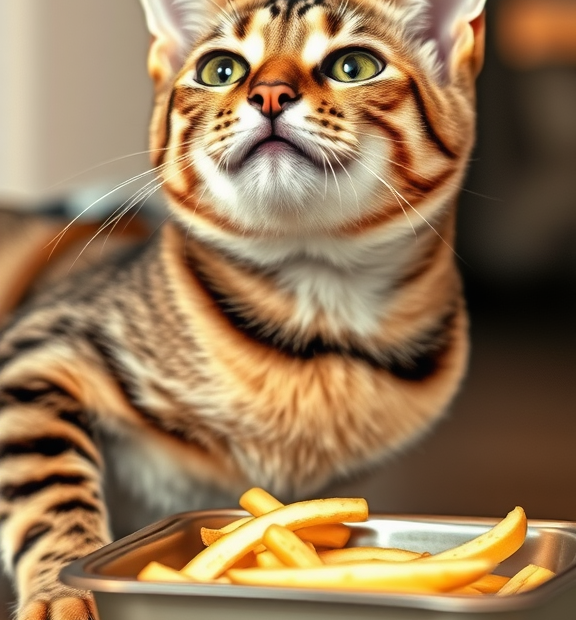
Cat Eat Problem: How Bengal Owners Can Encourage Mealtime Habits Successfully
Understanding the Unique Eating Behavior of Bengal Cats
Bengal cats are known for their striking appearance and energetic personality, but their eating habits can sometimes puzzle their owners. These cats often exhibit selective eating behaviors, sudden appetite changes, or refusal to eat at mealtime. Understanding why Bengals show these signs is crucial in helping them develop healthier and more consistent eating routines.
Bengals inherit a strong prey drive and high energy needs, which influence their food preferences and feeding times. Unlike some other cat breeds, Bengals may become bored with repetitive meals or exhibit finicky eating as a way to communicate their dissatisfaction or seek attention. Owners should recognize that what might appear as “cat eat problem” is often an expression of this breed’s distinct needs.
Creating an Appealing Mealtime Environment
One effective way to encourage better eating habits is to create a comfortable and stimulating feeding environment for your Bengal. These cats appreciate predictability and a quiet, calm area where they can eat without distractions. Here’s how you can optimize their mealtime surroundings:
- Position Bowls Quietly: Place food bowls in a low-traffic area to minimize stress from noises and other pets.
- Use Elevated Feeding Stations: Bengals often enjoy elevated platforms that mimic their natural hunting perches.
- Choose the Right Bowls: Wide, shallow dishes help prevent whisker fatigue, which can deter a cat from eating.
- Limit Competing Stimuli: Turn off loud TVs or music during feeding times to help focus your Bengal on the meal.
Feeding Schedule and Portion Control
Consistent feeding schedules can dramatically reduce “cat eat problem” situations. Bengals thrive with structured routines because they know when to expect their meals, which reduces anxiety around feeding. Feeding your Bengal cat at regular times, ideally twice a day or according to your veterinarian’s advice, benefits their digestion and behavior.
Portion control is another critical factor. Overfeeding or free-feeding may lead to picky eating or obesity, which complicates meal encouragement. Determine appropriate serving sizes based on your cat’s weight, age, and activity level, and stick to those limits. Using measured portions also allows you to notice any sudden changes in appetite or eating patterns quickly.
Variety and Food Choices That Appeal
Bengals can be particularly sensitive to food texture, flavor, and temperature. Offering a variety of high-quality foods can stimulate their appetite and encourage consistent eating habits. Here’s how to approach food selection:
- Premium Protein Sources: Look for foods high in real meat or fish as the first ingredient to satisfy Bengals’ carnivorous nature.
- Texture Mix: Combine wet and dry food to give your cat options and appeal to their textural preferences.
- Warm Up Food: Slightly warming wet food mimics the temperature of fresh prey and releases enticing aromas.
- Avoid Artificial Ingredients: Steer clear of foods with excessive fillers, artificial colors, or preservatives that may deter your Bengal.
Experimenting carefully with new flavors or brands can help identify your Bengal’s favorites without causing digestive upset. Gradual introduction is key when transitioning foods.
Stimulation and Engagement During Feeding Times
Bengals are highly intelligent cats that benefit from mental and physical stimulation, even during mealtime. Encouraging their natural hunting instincts can transform feeding time into a fun and rewarding activity. Here are some strategies to try:
- Food Puzzle Toys: Use interactive feeders or puzzle toys that make your cat work to get their food, providing mental challenges and slowing down eating.
- Scatter Feeding: Hide small portions of food around a safe area to allow your Bengal to “hunt” for their meal.
- Hand Feeding: Occasionally hand-feed portions to strengthen your bond and encourage regular eating.
By turning meals into an engaging experience, you reduce boredom and reinforce positive mealtime habits.
Recognizing and Addressing Underlying Health Issues
Sometimes, what appears as a “cat eat problem” may be linked to health concerns. Bengals can be prone to dental issues, digestive problems, or sensitivities that affect appetite. If your cat persistently refuses food or shows signs of weight loss, a veterinary consultation is essential.
Veterinarians can help rule out medical causes and offer advice tailored to your Bengal’s needs. Early detection of health problems increases the chances of successful treatment and helps maintain your cat’s enthusiasm for mealtime.
Tips to Reinforce Positive Eating Behavior
To maintain consistent and healthy eating habits in your Bengal, consider these additional tips:
- Stay Calm: Avoid stressing your cat during meals as anxiety can lower appetite.
- Limit Treats: Excess treats can fill your cat up and decrease interest in main meals.
- Positive Reinforcement: Reward good eating behavior with gentle praise or playtime.
- Monitor Eating Patterns: Keep a diary of your cat’s eating habits to identify patterns or sudden changes.
With patience, observation, and understanding of your Bengal’s unique nature, encouraging successful mealtime habits is entirely achievable. A happy, healthy Bengal cat will not only enjoy their meals but also thrive in their daily life with you.
Creative Feeding Techniques to Keep Your Bengal Cat Engaged and Healthy
Understanding the Unique Feeding Needs of Bengal Cats
As a Bengal cat owner, you know how energetic and curious these beautiful felines can be. Bengals are not your average house cats—they possess high intelligence and a strong hunting instinct. This means that simply placing a bowl of food down might not be enough to keep them engaged during mealtime. Encouraging healthy eating habits while stimulating their natural inclinations can promote both physical health and mental well-being.
Traditional feeding methods may lead to boredom or even overeating in Bengals. If they don’t feel challenged or interested, they may begin to eat too quickly, face digestive issues, or even refuse food. By adopting creative feeding techniques, you can encourage your Bengal to enjoy its meals more and remain active.
Enrichment through Food Puzzle Toys
Food puzzles are an excellent way to turn mealtime into a mentally stimulating activity. These toys require your Bengal to solve a simple problem to access their food, activating their problem-solving skills and mimicking natural hunting behavior.
- Interactive feeders: These come in many shapes, like balls or cubes with slots that dispense kibble when rolled. Bengals love batting these around as they eat.
- Snuffle mats: Designed to resemble grass or foliage, these mats encourage your cat to sniff and forage through the fabric to find hidden treats or kibble.
- DIY puzzle feeders: You can create homemade feeders using cardboard boxes or toilet paper rolls to make a fun and inexpensive game for your cat.
Make sure to choose puzzles suited to your Bengal’s personality and gradually increase the challenge as they get better at solving them. This keeps their mind sharp and prevents boredom.
Small, Frequent Meals That Mimic Hunting
Bengals naturally hunt multiple times a day, catching small prey rather than eating one or two large meals. Offering small, frequent meals throughout the day appeals to this instinct and can reduce overeating tendencies.
You can divide their daily food allotment into 4–6 portions and distribute these portions on puzzle toys, interactive feeders, or just place them in different spots around the house. This encourages your Bengal to actively search for its food and engages their senses. Mealtimes become an opportunity for exploration and exercise—a win-win for your cat’s health and happiness.
Incorporate Wet Food with Feeding Challenges
Many Bengal owners find that adding high-quality wet food to their cat’s diet not only improves hydration but also adds variety to the daily routine. To make wet food meals more engaging, try feeding it using challenging methods.
- Tray or compartment feeders: These can be used to separate different flavors or textures, encouraging your Bengal to explore each one.
- Hidden treat trays: You can distribute small amounts of wet food inside compartments or hidden spots within a cat activity board or treat dispenser.
- Interactive lick mats: Spreading wet food thinly on textured lick mats allows Bengals to spend more time eating while licking slowly, which aids in digestion and mental relaxation.
These techniques slow down quick eaters, promote mindful eating, and keep your Bengal entertained through mealtime.
Engaging Playtime Before and After Eating
Incorporate play sessions before feeding to prime your Bengal’s appetite and simulate hunting behavior. Using feather wands, laser pointers, or small toys to create a short hunting game drives their natural instincts and increases the likelihood they will eat enthusiastically afterward.
Similarly, light play after meals can help improve digestion and reduce risks of lethargy or obesity. Moving your Bengal around with active games keeps their metabolism healthy and fosters a stronger bond between you and your cat.
Tips for Encouraging Consistent Eating Habits
- Maintain a feeding schedule: Set regular times for meals to help your Bengal develop a routine.
- Limit distractions: Feed your cat in quiet areas to minimize stress and allow them to focus on their meal.
- Offer healthy treats: Use treats as rewards within puzzle feeders to encourage problem-solving behavior.
- Monitor portion size: Bengal cats require balanced nutrition—you don’t want to overfeed during puzzle play.
- Rotate feeding activities: Keep mealtime fresh by switching up feeders and games regularly.
Final Thoughts on Nurturing Your Bengal’s Eating Experience
Your Bengal cat thrives when both their body and mind are engaged, especially during mealtime. By introducing creative feeding methods such as puzzle toys, foraging games, and interactive feeders, you can transform regular feeding into a fun, stimulating experience. These techniques not only encourage healthy eating habits but also prevent boredom and behavioral issues often seen in this active breed.
Remember that each Bengal has a unique personality, so observe what type of feeding challenge appeals most to your cat, and tailor their meals accordingly. Providing variety and mental stimulation in their diet supports longer, happier lives and deepens the connection you share with your energetic feline friend.
Conclusion
Helping your Bengal cat develop healthy eating habits is key to their overall happiness and well-being. Tackling common cat eat problems starts with understanding your Bengal’s unique personality and energy level. By introducing creative feeding techniques, such as puzzle feeders, varied textures, or scheduled meal times, you keep mealtime not just necessary, but exciting and engaging for your furry friend. These methods encourage natural hunting instincts and mental stimulation, which Bengals especially thrive on.
Remember, patience and consistency play important roles when adjusting your Bengal’s eating routine. Small changes in feeding habits can lead to big improvements in how your cat approaches food. Offering a balanced diet with appropriate portions combined with interactive feeding can reduce picky eating and promote a healthy weight. Plus, it strengthens the bond you share as your Bengal looks forward to mealtime activities you create.
Ultimately, solving cat eat problems and encouraging positive mealtime habits helps ensure your Bengal stays energized, healthy, and emotionally satisfied. When you focus on making feeding fun and enriching, your Bengal cat not only eats better but also enjoys every bite. By embracing these strategies, you’re setting the stage for many happy and healthy years with your lively companion.