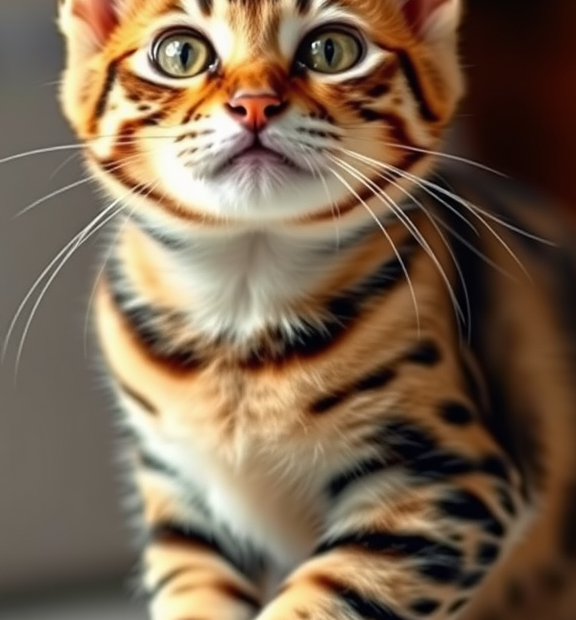
Understanding Cat Eat Problems in Bengal Cats: Causes and Symptoms
Bengal cats are known for their playful nature, stunning appearance, and high energy levels. However, like all cats, they can face challenges when it comes to eating. If you notice your Bengal cat experiencing difficulties with food, it’s important to recognize the underlying causes and symptoms. Understanding these problems early on can help you provide the right care and prevent more serious health issues.
Common Causes Behind Eating Difficulties in Bengal Cats
Eating problems in Bengal cats can arise from a variety of factors. These issues can range from physical discomfort to behavioral changes. Some common causes include:
- Dental Problems: Dental issues like tooth decay, gingivitis, or broken teeth are a frequent source of pain that makes chewing uncomfortable for cats.
- Gastrointestinal Concerns: Conditions such as stomach upset, inflammation, or infections can interfere with a cat’s desire or ability to eat.
- Food Sensitivities or Allergies: Bengal cats may develop sensitivities to certain ingredients, leading to digestive distress or discomfort.
- Stress and Anxiety: Changes in environment, new pets, or loud noises can cause behavioral eating problems, including reduced appetite or refusal to eat.
- Medical Conditions: Diseases such as kidney problems, liver disease, or diabetes can also affect hunger and eating habits.
- Age-Related Issues: Older Bengals may lose interest in food due to decreased sense of smell or taste.
Detecting Symptoms of Eating Problems in Bengal Cats
Observing your cat’s behavior related to food is essential. The earlier you identify symptoms, the sooner you can intervene. Some warning signs that your Bengal cat may be experiencing eating problems include:
- Refusing Food: Sudden loss of interest in favorite foods or skipping meals can indicate a problem.
- Drooling Excessively: This can suggest oral pain or nausea.
- Weight Loss: Noticeable decrease in weight often points to reduced food intake or absorption issues.
- Vomiting or Diarrhea: Gastrointestinal distress can affect eating habits and overall health.
- Difficulty Chewing or Dropping Food: This may suggest dental discomfort or jaw pain.
- Excessive Pawing at the Mouth: An uncomfortable mouth often causes cats to paw or rub the affected area.
- Changes in Drinking Amounts: Increased or decreased water intake can be related to health problems affecting eating.
Why Bengali Cats Might Be Especially Vulnerable
Bengal cats have unique traits that may sometimes make them prone to certain eating issues. Their high energy demands and muscular build mean they require more calories and nutrients compared to some other breeds. If their nutrition isn’t managed properly, this can lead to issues such as:
- Inadequate nutrition causing lethargy and weight loss.
- Higher chances of food allergies with commercial diets that include fillers or additives.
- Stress-related eating behaviors due to their active and curious nature.
It’s crucial to tailor your Bengal cat’s diet to fit their specific needs and watch for any signs of discomfort during feeding times.
Steps You Can Take if Your Bengal Has Eating Problems
If you notice eating difficulties, taking prompt action can make all the difference. Here’s what you can do:
- Monitor Eating Habits: Keep a food diary noting what your Bengal cat eats, how much, and any changes in appetite.
- Schedule a Vet Visit: Professional assessment often reveals underlying health problems that might not be visible at home.
- Inspect Their Oral Health: Look for visible signs of dental issues like red gums, broken teeth, or bad breath.
- Adjust the Diet: Consider switching to a higher-quality, grain-free diet or a prescription food recommended by your vet.
- Reduce Stress: Provide a calm feeding environment and stick to regular feeding schedules to help alleviate anxiety-related issues.
- Hydration Matters: Ensure fresh water is always available, as hydration supports digestion and overall wellness.
By closely observing your Bengal cat’s eating patterns and acting swiftly when issues arise, you can keep them healthy and happy. Remember that persistent eating problems should always prompt a veterinary checkup to rule out serious conditions.
Safe and Healthy Food Options to Manage Eating Issues in Bengal Cats
Understanding Eating Problems in Bengal Cats
Bengal cats are known for their energetic and curious nature, but like all breeds, they can face eating problems that may concern their owners. These issues range from picky eating habits to food allergies or digestive sensitivities. Recognizing the signs early is important to ensure your Bengal stays healthy and happy. Symptoms to watch for include refusal to eat, vomiting, diarrhea, or weight loss.
Each Bengal cat may have individual dietary needs, but some common factors contribute to eating problems. Stress, sudden changes in diet, or underlying health conditions can all impact their appetite. It’s essential to approach feeding thoughtfully and provide the right kinds of food to help manage and prevent these challenges.
Safe Food Options That Support Bengal Cats’ Digestive Health
When tackling food sensitivities or eating problems in Bengal cats, the goal is to offer meals that are not only appetizing but also gentle on their digestive system. Here are some food options that are safe and recommended for Bengal cats:
- High-Quality Protein Sources: Select lean proteins such as chicken, turkey, or fish. These provide essential amino acids without excessive fats that might upset digestion.
- Wet Food: Canned or freshly prepared wet food helps maintain hydration and is often more palatable for finicky eaters.
- Limited Ingredient Diets: These diets minimize the number of components, helping to identify and avoid potential allergens.
- Grain-Free Options: Some Bengal cats may be sensitive to grains. Grain-free foods use alternative carbohydrate sources like sweet potatoes, which can be easier to digest.
- Specialty Diets for Sensitive Stomachs: Available through veterinarians, these are formulated to soothe the digestive tract and improve nutrient absorption.
Foods to Avoid Feeding Bengal Cats to Prevent Eating Issues
Not all human or pet foods are safe for Bengal cats, especially if they are already struggling with eating problems. Avoid offering these common but harmful food items:
- Onions and Garlic: These can damage red blood cells and cause anemia.
- Chocolate and Caffeine: Toxic to cats and can cause serious health complications.
- Dairy Products: Many cats are lactose intolerant, and dairy can cause diarrhea or upset stomachs.
- Raw Eggs and Raw Meat: Risk of bacterial infections such as salmonella.
- Processed Human Foods: High in salt, sugar, and preservatives that are harmful to cats.
Supplements and Homemade Foods That Encourage Healthy Eating
Sometimes, providing supplements or homemade meals can help Bengal cats with their eating issues. However, it’s critical to consult a veterinarian before making changes to their diet. Some helpful options include:
- Omega-3 Fatty Acids: These support skin and coat health and can reduce inflammation in the digestive system.
- Probiotics: Adding probiotics can improve gut flora, enhancing digestion and nutrient absorption.
- Hydrolyzed Protein Diets: These contain proteins broken down into smaller components, which reduces allergic reactions for sensitive cats.
- Home-Cooked Recipes: Simple meals like boiled chicken and rice can be soothing and easy to digest when done properly.
Tips for Encouraging Your Bengal Cat to Eat Better
Feeding a Bengal with eating problems involves patience and consistency. Here are some practical strategies that can help improve their eating habits:
- Stick to a Schedule: Try feeding your Bengal at the same times each day to create predictability.
- Warm the Food Slightly: Warming wet food releases aromas that can entice reluctant eaters.
- Feed Smaller, Frequent Meals: Smaller portions given several times a day can prevent overwhelming your cat’s digestion.
- Create a Calm Environment: Minimize noise and distractions during mealtime to reduce stress.
- Introduce New Foods Gradually: Sudden changes often cause refusal or upset stomach; introduce any new food slowly by mixing it with their current diet.
When to Seek Veterinary Advice for Eating Problems
If your Bengal cat continues to have eating issues despite dietary changes, consulting your veterinarian is essential. A professional can help identify underlying health problems such as dental issues, infections, or chronic conditions. They can also recommend specialized diets or treatments tailored to your Bengal’s specific needs.
Remember, early intervention is key to preventing more severe health problems and ensuring your Bengal cat maintains a healthy weight and optimal energy levels.
By understanding what foods are safe and beneficial, avoiding harmful ingredients, and implementing thoughtful feeding practices, you can effectively manage eating issues in your Bengal cat. This careful approach supports their wellbeing and allows you to enjoy the lively companionship these beautiful cats bring into your life.
Conclusion
Addressing eating problems in Bengal cats starts with recognizing the causes and symptoms early. Whether your Bengal cat shows signs of picky eating, digestive trouble, or sudden loss of appetite, understanding these signals helps you take action faster. Bengal cats have unique dietary needs and sensitivities, so being attentive is key to maintaining their health and happiness.
Choosing safe and healthy food options plays a vital role in managing their eating issues. Providing a balanced diet rich in high-quality proteins, moisture, and essential nutrients ensures your Bengal cat gets the nourishment it needs without triggering digestive problems. Avoiding toxic foods and harmful additives further protects their delicate system.
By closely observing your Bengal cat’s eating habits and carefully selecting appropriate foods, you create a supportive environment that encourages better eating behavior. When in doubt, consulting a veterinarian can provide personalized guidance tailored to your cat’s specific needs. Taking these steps not only resolves immediate eating problems but also promotes long-term well-being and vitality for your Bengal companion. Ultimately, prioritizing safe nutrition and attentive care helps your Bengal cat thrive and stay active, playful, and happy by your side.