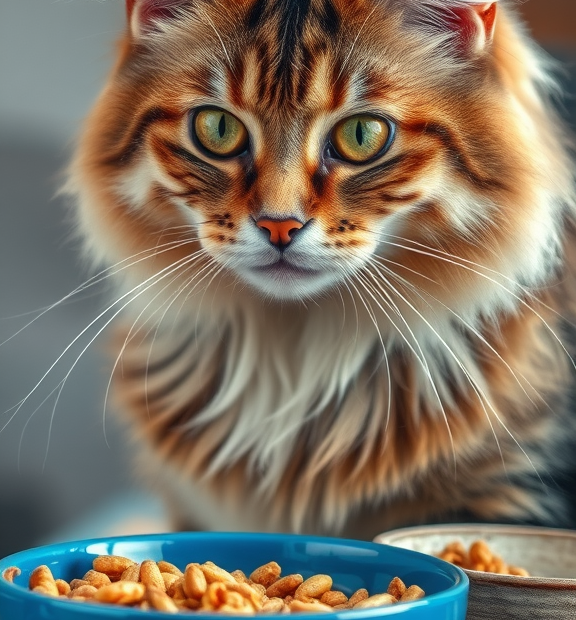
Common Eating Problems in Maine Coons: Identifying Causes and Solutions
Maine Coons are known for their large size, fluffy coats, and gentle demeanor, but like any breed, they can face specific eating challenges. If your Maine Coon is showing signs of reluctance to eat or is experiencing irregular eating habits, it’s important to understand the common causes behind these problems and how to address them effectively. Ensuring proper nutrition plays a vital role in keeping your Maine Coon healthy and happy, so let’s explore the possible reasons for eating difficulties and discuss tips on what to feed these majestic cats while avoiding harmful foods.
Recognizing Eating Issues in Maine Coons
Before diving into causes and solutions, being aware of the symptoms your cat displays is crucial. Eating problems may include:
- Loss of appetite or refusal to eat
- Eating too quickly or irregularly
- Excessive chewing or dropping food
- Preference for specific textures or tastes
- Vomiting or gagging after eating
Noticing any of these signs can indicate an underlying health or behavioral issue that needs attention.
Common Causes Behind Eating Problems
Dental Issues
Maine Coons have big jaws and large teeth, which sometimes make them prone to dental problems such as gingivitis, tooth decay, or oral pain. If your cat seems hesitant to chew or frequently drops food, a dental examination by your vet may be necessary. Pain or discomfort can significantly reduce their willingness to eat.
Food Sensitivities and Allergies
Some Maine Coons develop sensitivities to common ingredients found in cat foods, like certain proteins or grains. These sensitivities manifest as gastrointestinal distress, leading to vomiting, diarrhea, or loss of appetite. It’s essential to observe your cat’s reaction to different foods and consider hypoallergenic or limited ingredient diets if sensitivities are suspected.
Stress and Environmental Changes
Sudden changes in the environment such as moving homes, introducing new pets, or changes in daily routine can stress sensitive Maine Coons. Stress often leads to reduced appetite or picky eating. Providing a calm, predictable feeding environment helps alleviate this issue.
Medical Conditions
Chronic illnesses or infections, including kidney disease, hyperthyroidism, or gastrointestinal disorders, can cause reduced appetite and eating problems. Early veterinary diagnosis and treatment are crucial for managing these health issues.
What to Feed Your Maine Coon to Encourage Healthy Eating
Choosing the right diet tailored for Maine Coons is essential. Their size and activity level mean they benefit from high-quality protein and balanced nutrients. Here’s what to keep in mind when selecting or preparing food:
- High-Quality Protein: Maine Coons thrive on protein-rich diets, usually derived from animal sources such as chicken, turkey, or fish. Protein supports muscle development and maintenance for their large frames.
- Balanced Fats: Good fats like omega-3 and omega-6 fatty acids help maintain their shiny coat and support brain function.
- Moderate Carbohydrates: While cats are obligate carnivores, small amounts of easily digestible carbs, like sweet potatoes or rice, can be included. Avoid excessive fillers like corn or wheat.
- Wet and Dry Food Mix: Providing both wet and dry food options keeps your Maine Coon hydrated and gives food texture variety, encouraging consistent eating.
- Fresh Water: Always keep fresh water accessible to prevent dehydration, especially if your cat primarily eats dry food.
Foods and Substances to Avoid
Certain foods and substances can worsen eating problems or even become dangerous for Maine Coons. Avoid feeding your cat the following:
- Onions, Garlic, and Chives: These can damage red blood cells and cause anemia.
- Chocolate, Caffeine, and Alcohol: Toxic to cats and can lead to severe health issues.
- Raw Dough or Yeast: Can expand in the digestive tract causing discomfort or bloating.
- Dairy Products: Many cats are lactose intolerant, leading to diarrhea or upset stomach.
- Bones and Fat Trimmings: Pose choking hazards and may cause pancreatitis or digestive blockages.
- Excessive Treats: Should be limited to avoid nutritional imbalance and prevent picky eating habits.
Tips for Managing Eating Challenges at Home
Sometimes, simple lifestyle adjustments can vastly improve your Maine Coon’s eating habits. Consider these practical strategies:
- Consistency in Feeding Times: Stick to a routine to help your cat develop regular eating patterns.
- Use Puzzle Feeders or Slow Feed Bowls: If your Maine Coon eats too fast, these tools encourage slower consumption and prevent vomiting.
- Warm the Food Slightly: Enhancing aromas by warming wet food can make it more enticing.
- Create a Quiet Feeding Space: Minimize distractions and stress by providing a peaceful area for meals.
- Monitor Weight and Behavior: Keep track of changes and consult your vet promptly if problems persist.
Understanding and addressing eating problems early on benefits your Maine Coon’s overall health and well-being. By recognizing common causes, providing a nutritionally appropriate diet, and avoiding harmful foods, you can help your feline friend enjoy their meals and live a vibrant, energetic life.
Best Foods for Maine Coons: Nutritional Choices to Support Health and Well-being
Understanding the Unique Dietary Needs of Maine Coons
Maine Coons are one of the largest domestic cat breeds, known for their friendly nature and luxurious coats. Their larger size and active lifestyle demand a well-balanced diet tailored to support their health and longevity. Unlike other cat breeds, Maine Coons require nutrient-dense food that accommodates their muscle mass and energy levels. Feeding your Maine Coon the right food not only promotes physical health but also maintains a shiny coat, robust immune system, and proper digestion.
Cats, including Maine Coons, are obligate carnivores, meaning their diet should be rich in animal proteins. Their bodies are designed to derive nutrients primarily from meat, making protein the cornerstone of their nutritional intake. While commercial cat foods often list protein sources and guaranteed analysis on their labels, understanding how to choose and balance those nutrients optimizes your Maine Coon’s overall well-being.
High-Quality Proteins as the Foundation
Protein supports muscle development and energy for Maine Coons. Foods rich in animal-based proteins like chicken, turkey, beef, and fish are excellent choices. These provide essential amino acids such as taurine, arginine, and methionine, which are crucial for heart health, eye function, and metabolism. When shopping for Maine Coon food, prioritize options where named meat sources are the first ingredient.
Avoid foods that primarily use plant-based proteins like soy or corn gluten meal, as they do not meet the feline’s protein requirements efficiently. Additionally, Maine Coons benefit from diets with moderate fat content for sustained energy, but excessive fat can lead to obesity, a common issue due to their size.
Essential Fats and Omega Fatty Acids
Fats are not just fuel; they also support skin, coat health, and brain function. Omega-3 and Omega-6 fatty acids should be included in a Maine Coon’s diet. These can come from fish oils, flaxseed, and certain animal fats. A diet balanced with good fats helps reduce inflammation and keeps your cat’s fur soft and glossy.
Be cautious not to feed too much fat; cats have a reduced ability to metabolize excess fat which can impact their liver and pancreas over time. Look for commercial cat foods or supplements that highlight these fatty acids and maintain balanced ratios.
Essential Vitamins and Minerals
A well-rounded diet is incomplete without vitamins and minerals. Maine Coons require proper levels of Vitamin A, B-complex vitamins, calcium, phosphorus, and magnesium. Vitamin A supports vision and immune function, while calcium and phosphorus are vital for bone and teeth health — especially important for large breeds like the Maine Coon.
Commercial diets that meet AAFCO (Association of American Feed Control Officials) standards ensure these nutrients are adequately included. Supplements should only be considered when recommended by a veterinarian to avoid overdosing on certain vitamins, which can cause more harm than good.
Carbohydrates and Fiber: What to Consider
Cats don’t need carbohydrates in large quantities, and Maine Coons are no exception. However, fiber can aid digestion and prevent hairball formation. Good sources of fiber include pumpkin, sweet potatoes, and green beans.
Avoid feeding your Maine Coon high-carbohydrate diets with fillers like corn, wheat, or soybean meal as these can lead to weight gain and blood sugar issues. Instead, focus on limited carbohydrate foods that support gut health without compromising protein intake.
Avoiding Harmful Foods to Keep Your Maine Coon Safe
Some foods are toxic or unsuitable for Maine Coons and should never be part of their diet. Here is a list of ingredients and foods to avoid:
- Onions and Garlic: These can cause anemia by damaging red blood cells.
- Chocolate and Caffeine: Both contain substances toxic to cats.
- Raw Fish and Eggs: High risk of bacteria and enzyme inhibitors affecting vitamin absorption.
- Grapes and Raisins: Known to cause kidney failure in felines.
- Dairy Products: Many cats are lactose intolerant, leading to digestive issues.
- Human Processed Foods: These often contain preservatives, sugars, and salts harmful to cats.
Be mindful when feeding treats or table scraps to avoid accidental poisoning or nutrient imbalance.
Choosing Between Dry, Wet, or Raw Diets
Maine Coon owners often debate the best form of food to offer. Each type has advantages and challenges.
Dry Food
Convenient and long-lasting, dry kibble may assist in dental health by reducing plaque. Choose high-protein, grain-free options designed for large or active cats.
Wet Food
Wet canned food provides hydration and higher moisture content, beneficial for urinary tract health. High-quality wet food typically contains more protein and fewer fillers.
Raw Diet
Some owners prefer raw diets that mimic a cat’s natural prey. If considering this, it is crucial to ensure balanced nutrition and proper food safety measures.
A combination of wet and dry food often meets the nutritional needs while offering variety to keep your Maine Coon engaged at mealtimes.
Feeding Tips for Optimal Health
- Feed according to age, weight, and activity level to prevent obesity or nutrient deficiencies.
- Provide fresh water at all times to support kidney function.
- Monitor your Maine Coon’s weight and adjust portion size as necessary.
- Consult your veterinarian before making significant changes or introducing supplements.
By offering nutrient-rich foods and avoiding harmful ingredients, you help your Maine Coon thrive with vitality and a healthy, supple coat. A well-chosen diet is a cornerstone of lasting happiness and well-being for this majestic breed.
Conclusion
Maine Coons are known for their gentle nature and impressive size, but like all cats, they can face specific eating problems that require your careful attention. Recognizing common eating issues early—such as picky eating, overeating, or digestive troubles—can make a big difference in your cat’s health and happiness. By understanding the root causes, whether they stem from stress, dental problems, or dietary imbalances, you can take practical steps to help your Maine Coon enjoy mealtime again.
Feeding your Maine Coon the right foods is equally important. These majestic cats need a diet rich in high-quality protein, balanced fats, and essential vitamins to support their muscular build and thick coats. Wet food can provide hydration, while dry kibble helps maintain dental health. Avoid ingredients such as grains, excessive fillers, or artificial additives as they might upset your cat’s sensitive stomach or lead to allergies. Always prioritize foods formulated specifically for larger breeds like the Maine Coon, tailored to meet their unique nutritional demands.
By combining a clear understanding of eating difficulties with informed food choices, you can boost your Maine Coon’s overall well-being. Taking these steps helps prevent future health problems and ensures your feline companion stays active, vibrant, and loving for years to come. Remember, attentive feeding and careful observation are key to nurturing the joyful spirit of your Maine Coon.