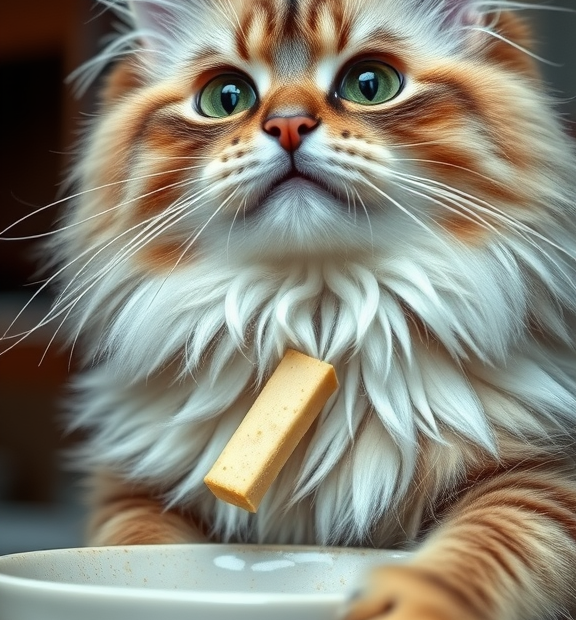
Cat Eat Problem in Ragdolls: Understanding Why Your Fussy Cat Refuses Food
Ragdoll cats are known for their gentle nature and striking appearance, but they can be quite particular when it comes to their eating habits. If you own one and notice your feline friend often refuses food or seems uninterested during mealtime, you’re dealing with a common issue many Ragdoll owners face. Understanding why your cat might be fussy and finding ways to encourage healthy eating habits can make a big difference in your pet’s overall well-being.
Why Do Ragdolls Sometimes Refuse to Eat?
Several factors can cause Ragdolls to develop eating problems. Unlike some cats that happily consume whatever is offered, Ragdolls have unique preferences and sensitivities. Here are some common reasons behind their picky eating behavior:
- Food Texture and Flavor Preferences: Many Ragdolls prefer certain textures—wet food with smooth consistency or dry kibble that is crunchy but not too hard. They may reject food that feels unfamiliar or unappealing.
- Health Issues: Dental problems, digestive upset, or underlying illnesses can cause discomfort, leading your cat to eat less or avoid food altogether.
- Stress and Environment: Changes in the home environment, new pets, or loud noises can impact their appetite. Ragdolls are sensitive and need a calm, safe space to feel comfortable during feeding times.
- Feeding Schedule Disruptions: Inconsistent mealtimes or leaving food out for too long may make your Ragdoll uninterested in eating when you finally offer a meal.
Signs Your Ragdoll Has an Eating Problem
Recognizing when your Ragdoll isn’t eating normally is key to addressing the issue early on. Watch for these signs:
- Skipping meals or eating significantly less than usual
- Excessive drooling or pawing at the mouth, which may indicate dental pain
- Weight loss or noticeable decline in body condition
- Vomiting or diarrhea after eating
- A persistent, intense focus on smelling food without actually eating it
Effective Strategies to Help Your Fussy Ragdoll Eat Better
1. Offer Variety and Gradual Changes
Ragdolls can become bored with the same food. Introduce new flavors slowly alongside their usual meals. Try rotating between high-quality wet and dry food without making sudden changes, which can upset their stomach.
2. Prioritize Palatability and Texture
Experiment with textures that your cat prefers. For instance, soft pâté or shredded meat flavors might entice a reluctant eater. Warming wet food slightly can enhance aroma, stimulating your cat’s appetite.
3. Maintain a Calm Feeding Environment
Create a quiet, safe area free from distractions for your Ragdoll to eat. Avoid loud noises and other pets during mealtime. Sometimes, an elevated food bowl or offering food in a cozy corner can make your cat feel more secure.
4. Check Health Regularly
If your cat repeatedly refuses food or shows other symptoms like weight loss or lethargy, consult your veterinarian. Dental problems, infections, or metabolic issues could be underlying causes that need medical attention.
5. Establish Consistent Feeding Times
Having a regular daily feeding routine reinforces expectations for your Ragdoll. Offer meals twice a day and remove uneaten food after 20-30 minutes. This habit encourages eating at mealtime instead of grazing all day, which can reduce appetite.
Additional Tips for Encouraging Eating
- Hydration: Provide fresh water near their feeding station. Sometimes, a cat’s reluctance to eat is linked to low water intake.
- Hand Feeding: Occasionally, hand feeding small tasty bites can help rebuild interest in food.
- Use Food Toppers: Sprinkle a bit of tuna juice, chicken broth (unsalted), or commercial cat food toppers over meals to make food smell and taste more appealing.
Understanding your Ragdoll’s preferences, providing a consistent routine, and making mealtime enjoyable are key to solving eating problems. Being patient and attentive can help your fussy cat develop better eating habits and maintain a healthy lifestyle. If you ever feel uncertain, don’t hesitate to reach out to your vet for support tailored to your Ragdoll’s specific needs.
Effective Nutritional Strategies and Feeding Tips for Picky Ragdoll Cats
Understanding the Eating Challenges in Ragdoll Cats
Ragdoll cats are known for their gentle temperament and striking looks, but many owners face a common issue: picky eating. This selective behavior can lead to nutritional deficits and health problems if not addressed properly. The key to helping your fussy Ragdoll lies in understanding why they might be hesitant or unwilling to eat certain foods and then tailoring a feeding strategy that meets both their needs and preferences.
Ragdolls may refuse food due to texture sensitivity, health concerns, boredom, or environmental stress. Since these cats have a calm and sometimes reserved personality, changes in their routine or diet may unsettle them, causing eating disruptions. Recognizing such underlying reasons will help you apply targeted nutritional solutions that encourage consistent and healthy eating habits.
Choose High-Quality Cat Food to Appeal to Your Ragdoll’s Palate
One of the most effective strategies starts with the basics: selecting nutritious and appealing food. Look for cat food that is rich in protein, with real meat as the main ingredient. Ragdolls, like all cats, are obligate carnivores, meaning their diet must contain certain animal-derived nutrients to thrive. Avoid foods with excessive fillers, artificial additives, or low-quality meat by-products, as these might turn off a finicky eater.
Consider trying wet canned food because its moisture content is beneficial and often more enticing than dry kibble. Additionally, warm the food slightly to release aromas, making it more inviting. Offering a variety of flavors—chicken, turkey, fish—can also help identify what your Ragdoll prefers and reduce mealtime battles.
Establish a Consistent Feeding Schedule
Cats, including Ragdolls, are creatures of habit. Feeding them at the same times every day can improve their appetite and digestion. Avoid leaving food out all day, which can lead to food becoming stale and unappealing. Instead, serve smaller amounts multiple times a day, allowing fresh, palatable portions at each feeding.
Regular mealtimes create a routine that your Ragdoll will begin to anticipate, making the cat more willing to eat. If your cat skips a meal, don’t immediately offer alternatives like treats or human food, as this can reinforce picky behavior. Patience and consistency here are key.
Incorporate Nutritional Supplements and Enhancers
When your cat is especially selective, supplements and food toppers can help boost nutrient intake. Products like fish oil capsules or powders rich in omega-3 fatty acids can improve coat quality and appeal. There are also commercial flavor enhancers designed specifically for cats, adding aroma and texture to bland food.
Another helpful option includes mixing in small portions of cooked chicken or tuna with regular food to stimulate interest. However, always ensure these additions are safe and introduced gradually to avoid digestive upset.
Create a Pleasant Feeding Environment
The environment in which your Ragdoll eats greatly affects its willingness to feed. Place the feeding station in a quiet area away from loud noises or other pets that may cause stress. Clean dishes regularly to avoid any off-putting odors or tastes that might deter your cat.
Using shallow, wide bowls can help since cats dislike their whiskers touching the sides, which sometimes happens with deep narrow bowls. Fresh water should always be available as proper hydration supports appetite and overall health.
Monitor Health and Consult Your Veterinarian
If your Ragdoll consistently refuses food or shows signs of lethargy, weight loss, or vomiting, it’s crucial to seek veterinary advice. Picky eating might be a symptom of an underlying medical issue such as dental problems, gastrointestinal discomfort, or infections.
Your vet can rule out health concerns and may recommend specialized diets or treatments that promote better eating habits. Keeping regular check-ups ensures that your Ragdoll remains healthy and their nutritional needs are fully met.
Five Proven Techniques to Encourage Eating in Fussy Ragdolls
- Rotate Flavors and Textures: Introduce a variety of protein sources and food textures (pate, chunks in gravy, shredded) to maintain interest.
- Warm the Food Slightly: Heating food to room temperature or slightly warm enhances its aroma and is often more appealing.
- Use Interactive Feeding Tools: Puzzle feeders or slow feeders can stimulate natural hunting behavior and make mealtimes fun.
- Minimize Feeding Stress: Keep the feeding area calm, quiet, and clean to avoid distractions or anxiety during meals.
- Offer Hand Feeding or Positive Reinforcement: Sometimes feeding your Ragdoll by hand or praising them at mealtime builds trust and encourages eating.
Addressing the eating problem in Ragdolls requires patience, observation, and a willingness to adapt their diet and routine. By focusing on quality nutrition, consistent routines, and a supportive environment, you can improve your picky cat’s eating habits effectively. Paying attention to subtle changes and acting promptly will help maintain a happy, healthy Ragdoll ready to enjoy mealtime.
Conclusion
Dealing with a cat eat problem in Ragdolls can feel frustrating, especially when your furry friend turns up its nose at every meal. Understanding why your Ragdoll is a fussy eater is the first step toward solving this issue. Often, these cats refuse food due to texture preferences, underlying health concerns, or simply because they are sensitive to sudden changes in diet. Recognizing these reasons helps you respond thoughtfully rather than getting discouraged.
Applying effective nutritional strategies is key to encouraging your Ragdoll to eat well. Offering high-quality, palatable meals that meet their dietary needs will make a big difference. Experiment with different textures and flavors, and serve meals at consistent times to build a routine. You can also try warming up food slightly to enhance aroma and appeal. Remember, patience and observation are essential—monitor your cat’s reaction to new foods and adjust accordingly.
Your commitment to tailoring feeding tips for your picky Ragdoll shows how much you care. By combining a compassionate approach with practical solutions, you’ll support your pet’s health and happiness. When you address your Ragdoll’s unique preferences and nutritional needs, mealtimes become less stressful for both you and your cat. With these insights and strategies on hand, you can help your finicky Ragdoll enjoy food again, leading to a happier, healthier companion.