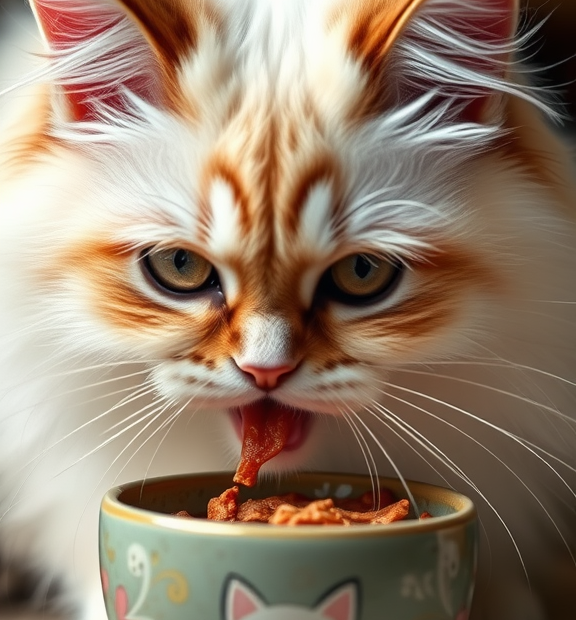
Understanding Cat Eat Problems in Ragdolls: Causes and Common Signs
When it comes to Ragdolls, a breed known for their gentle nature and striking blue eyes, issues with eating can be concerning for any cat owner. If your Ragdoll is showing changes in appetite, refusing meals, or displaying other unusual eating behaviors, it’s essential to recognize the potential causes and understand the common signs to address the problem effectively.
Why Might Ragdolls Experience Eating Problems?
Ragdolls are typically hearty cats with robust digestive systems, but like all pets, they can face eating difficulties. Several factors might contribute to feeding problems, and identifying the root cause is key to helping your furry friend.
Health-Related Causes
Illness or pain is one of the most common reasons a Ragdoll may stop eating or eat less. Some health issues to be aware of include:
- Dental Problems: Cats with tooth decay, gingivitis, or mouth ulcers may find it painful to chew, leading to a reduced appetite.
- Gastrointestinal Issues: An upset stomach, food intolerance, or digestive system infections can cause discomfort and decrease interest in food.
- Kidney or Liver Disease: Chronic conditions like kidney or liver disease often result in nausea and loss of appetite.
- Obstructions or Foreign Bodies: Occasionally, something stuck in their digestive tract might cause pain and eating refusal.
Behavioral and Environmental Factors
Beyond physical health, the environment and psychological matters can impact a Ragdoll’s eating habits:
- Stress and Anxiety: Changes in living situations, new pets, or loud noises may make them anxious, leading to decreased food intake.
- Food Preferences: Ragdolls might be particular about texture or flavor; they may reject food if it doesn’t meet their liking.
- Feeding Routine Changes: Irregular feeding times or inconsistent food availability can confuse a cat and affect its eating behavior.
Recognizing Common Signs of Eating Problems in Ragdolls
Spotting the signs early can prevent minor eating issues from becoming severe health problems. Pay attention to these common indicators that your Ragdoll might be experiencing eating troubles:
- Reduced Food Intake: Noticeable drop in the amount your cat consumes over a day or more.
- Weight Loss: Gradual or sudden weight decline without obvious cause.
- Vomiting or Regurgitation: Frequent vomiting or bringing food back up after eating.
- Changes in Chewing or Drooling: Hesitation to chew, dropping food, or excessive saliva may indicate oral discomfort.
- Excessive Pawing at the Mouth: This behavior often points to pain or irritation inside the mouth.
- Hiding or Reduced Activity: Lethargy or retreating to quiet spots can suggest illness that’s affecting appetite.
Important Steps to Take When You Notice Eating Problems
If your Ragdoll exhibits these signs, an immediate approach can greatly improve their comfort and health:
Monitor and Record
Keep a log of your cat’s eating patterns, amounts consumed, and any unusual behavior. This information can be invaluable for veterinary diagnosis.
Ensure a Comfortable Feeding Environment
Maintain a calm, quiet feeding area, free from competition with other pets or distractions, encouraging your Ragdoll to eat more comfortably.
Check the Food Quality
Offer high-quality, fresh food that caters to your cat’s preferences. Sometimes, switching flavors or textures can reignite their interest in eating.
Consult a Veterinarian
Any persistent or severe eating problems warrant veterinary attention. Blood tests, dental exams, and diagnostic imaging may be necessary to identify underlying medical issues.
How Real Cat Owners Address Cat Eating Problems in Ragdolls
Real-life experiences from Ragdoll owners offer practical insights. Many have found success by combining vigilance, patience, and proper care:
- Gradual Food Transition: Introducing new foods slowly to avoid digestive upset.
- Interactive Feeding: Using puzzle feeders or feeding with the owner’s presence to encourage interest.
- Regular Vet Check-Ups: Staying proactive about health and dental care to catch potential issues early.
- Hydration Attention: Ensuring access to fresh water and even offering wet food to maintain hydration.
Understanding what your Ragdoll is experiencing when they have eating problems gives you the power to act quickly and compassionately. By observing their behavior carefully and providing a loving, stress-free environment, you can support your feline friend’s return to healthy, happy eating habits.
Proven Solutions From Real Cat Owners to Manage Ragdoll Eating Issues
Understanding Common Eating Challenges in Ragdoll Cats
Ragdoll cats are known for their gentle nature and striking looks, but like all breeds, they can face specific eating challenges. Some Ragdolls may show picky eating habits, while others might overeat or experience digestive issues. These problems can arise from health concerns, environmental factors, or simply their individual preferences. Listening to real cat owners reveals practical approaches that have helped tackle these issues effectively.
Why Do Ragdolls Develop Eating Problems?
Eating difficulties in Ragdolls can stem from various causes. Sometimes, the root is medical, including dental problems, food allergies, or gastrointestinal conditions. In other cases, it’s behavioral—like anxiety, boredom, or stress. Ragdolls are sensitive cats and changes in their environment or routine can impact their eating habits drastically.
Understanding these triggers is the first step toward finding lasting solutions that real owners swear by.
Trusted Strategies Used By Owners Who Know Best
Owners who have navigated feeding challenges with their Ragdolls offer valuable insights. By following their realistic and tried-and-true methods, you can improve your cat’s eating habits and ensure their well-being.
1. Gradual Food Transition
Switching diet abruptly can lead to refusal or digestive upset. Many owners report success by slowly introducing new food over a week or two. They mix increasing amounts of the new food with the old one, allowing their Ragdolls’ taste buds and digestive system to adjust comfortably.
2. Offering High-Quality, Species-Appropriate Diets
Ragdoll cats benefit from nutrient-rich, balanced meals that mimic their natural diet. Real cat owners often highlight wet food or raw-inspired diets as more appealing and easier to digest compared to standard dry kibble. Prioritizing protein and avoiding fillers can reduce picky eating and improve digestion.
3. Maintaining a Consistent Feeding Schedule
Ragdolls thrive on routine. Feeding them at the same times each day reduces stress and behavioral issues. Owners note that portion control and regimented meal times prevent overeating and help regulate appetite.
- Feed twice daily at set times.
- Remove uneaten food after 20-30 minutes to avoid grazing.
- Use interactive feeders or puzzles to encourage slower eating.
4. Creating a Comfortable and Calm Eating Environment
Many owners emphasize how a quiet, low-traffic area for meals encourages better eating. Loud noises or bustle nearby may scare or distract some Ragdolls, causing them to avoid food. Ensuring a safe, peaceful setting promotes relaxation and appetite.
5. Monitoring for Food Allergies or Sensitivities
If your Ragdoll exhibits vomiting, diarrhea, or itchy skin along with eating issues, an elimination diet can help. Real owners who used this method carefully removed potential allergens one at a time to identify problem ingredients. Consulting a vet to guide this process is key.
Additional Tips To Enhance Eating Habits in Ragdolls
Beyond basic steps, owners recommend other approaches to address specific concerns:
Using Warmed Food
Warming wet food slightly can improve aroma and palatability, enticing picky eaters to try their meals.
Fresh Water Availability
Hydration supports digestion and helps prevent urinary issues common in Ragdolls. Change water frequently and consider a cat fountain to stimulate drinking.
Regular Vet Check-Ups
Regular visits help catch hidden problems like dental disease or metabolic issues, which often cause reluctance to eat.
Supplementing with Digestive Enzymes or Probiotics
Some owners add supplements recommended by their vets to improve gut health and support nutrient absorption.
Minimizing Stressors
Reducing household stress, providing safe spaces, and offering companionship can positively affect appetite.
Signs It’s Time to Seek Veterinary Help
Persistent refusal to eat, weight loss, vomiting, or drastic behavioral changes should never be ignored. Owners have learned that early intervention often prevents severe illness. A vet exam can identify underlying causes and help customize feeding strategies for your Ragdoll’s needs.
The Bottom Line Backed by Real Experiences
Real cat owners managing Ragdoll eating issues confirm that patience, consistency, and attention to individual needs always pay off. There’s no one-size-fits-all solution, but combining gradual food changes, quality nutrition, structured routines, and calm environments forms a strong foundation.
Remember, your cat’s unique preferences and health must guide your approach. Keep observing and adapting, and your Ragdoll will soon enjoy their meals with enthusiasm and health.
By integrating these proven methods, you ensure that feeding time becomes a stress-free, enjoyable part of daily life for both you and your precious Ragdoll.
Conclusion
Dealing with eating problems in Ragdoll cats can feel overwhelming, but understanding the root causes makes a big difference. Whether your cat is eating too quickly, refusing food, or showing signs of digestive discomfort, recognizing these common issues is the first step toward finding real solutions. Many Ragdoll owners have faced similar challenges and, through patience and observation, discovered practical ways to help their furry friends thrive.
From adjusting feeding routines to trying different food types or using specialized bowls, the strategies shared by experienced cat owners offer valuable guidance you can trust. These hands-on tips not only improve your cat’s eating habits but also support their overall health and happiness. Remember, every Ragdoll is unique, so sometimes a bit of trial and error is necessary to discover what works best for yours.
By staying attentive to your cat’s behavior and applying time-tested methods, you can overcome most eating problems and ensure your Ragdoll enjoys mealtime without stress. When you combine knowledge with kindness and consistency, you’re setting your cat up for a healthier and happier life—because a well-fed Ragdoll is a happy Ragdoll.