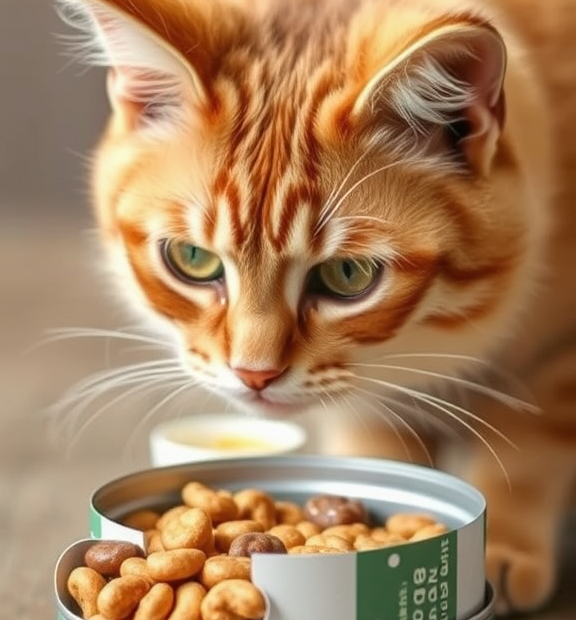
Creative Cat Food Can Crafts: Fun DIY Tin Feeder Puzzles to Tempt Picky Eaters
Cats can sometimes be the pickiest eaters, leaving you wondering how to tempt their taste buds anew. If your furry friend is turning up their nose at their food, you might want to explore creative ways to encourage them to eat. One delightful solution lies in crafting DIY tin feeder puzzles from cat food cans. Not only are these projects fun and engaging, but they also can make mealtime a lot more exciting for your kitty.
Transforming ordinary cat food cans into interactive feeding tools is a wonderful way to stimulate your cat’s natural hunting instincts. By encouraging them to work for their food, you can help reignite their appetite while providing mental and physical enrichment. Here’s how to get started on these fun tin feeder puzzles.
Gather Your Materials
Before diving into your crafty creation, you will need a few simple materials:
- Empty cat food cans (ensure they are cleaned and dried)
- Non-toxic paint (for decoration, optional)
- Scissors or a can opener (for cutting holes)
- Sandpaper (to smooth sharp edges)
- Cat treats or dry cat food
Designing Your Feeder Puzzle
Once you have your materials ready, it’s time to create the puzzle. Here are a few designs that work well:
1. The Slot Puzzle
Using a can opener, carefully puncture two to three slots into the side of the can—large enough to allow a few kibble pieces to fall out but not so wide that all fall out at once. Fill the can with treats or food, place it upright, and let your cat figure out how to tilt it to get the tasty bites out.
2. The Treat Dispenser
Make a small hole in the lid of the can and just big enough for a dry treat to slide through. Fill the can with kibble, ensuring the treats won’t get stuck. As your cat bats it around, they will enjoy the challenge of getting their food out.
3. Stackable Fun
Decorate different cans with different colors and stack them to create a multi-level feeding puzzle. Cut various sized holes on each level and place treats in each can. Your cat will love working their way to the top for a fabulous feast!
Safety First
Before you let your kitty play with these new toys, always ensure that all sharp edges are smooth. Use sandpaper to sand down any rough spots where they might hurt themselves. Keep an eye on your cat the first few times they use their new feeder puzzle to prevent any accidents, especially when they’re up against manipulative metal edges.
Personalize the Experience
To make the experience even more appealing, consider giving each can a unique paint job. Use non-toxic paint to decorate the outside with fun designs. You can even add your cat’s name or favorite toys, which helps make mealtime feel special and unique to them.
Monitor Their Eating
As your furry companion engages with their DIY feeder puzzles, observe how they interact with the new setup. Monitor their eating habits to ensure they are consuming an appropriate amount of food. If your cat does not seem interested in their meals after a few tries with the puzzles, it may be time to change their food or consult your veterinarian.
Why DIY Feeder Puzzles Work
These creative cat food can crafts not only stimulate your cat’s natural instincts but also turn mealtime into playtime. They can reduce boredom and encourage your feline friend to engage more actively with their food. The challenge of obtaining their food can help to reinvigorate a previously uninterested appetite, making meals enjoyable and exciting once again.
By making these interactive feeders, you’re not just providing food; you’re enriching your cat’s life and making memorable moments for you and your furry friend. Explore these DIY options and watch your picky eater thrive!
Engaging Your Cat’s Senses: The Benefits of Interactive Feeding Toys
Feeding time can often turn into a battle with picky cats, but there’s a creative way to engage your feline companion and make mealtime more enjoyable! Interactive feeding toys present an exciting solution to stimulate your cat’s senses while encouraging them to eat. These toys not only make feeding more interactive but also offer multiple benefits that can improve your cat’s overall well-being.
Firstly, interactive feeding toys challenge your cat both mentally and physically. Many cats need a little extra motivation to eat, especially if they are picky. By incorporating puzzles or feeders that require your cat to work for their food, you engage their natural hunting instincts. Cats are born hunters, and providing them with a toy that they can explore, paw at, or tip over to release kibble mirrors their instinctual behaviors. This not only satisfies their instinctual needs but makes feeding fun!
Another important aspect of these toys is their ability to slow down fast eaters. Many cats gulp their food, leading to digestive issues such as vomiting or bloating. Interactive feeding toys often come designed to dispense food gradually. With obstacles or compartments, cats must navigate their way through to reach their meal, which slows them down and encourages more mindful eating. This promotes better digestion and healthier eating habits.
Engaging your cat’s senses through interactive feeding toys also aids in reducing boredom. Cats are known for their playful nature, and without stimulation, they can quickly become disinterested. You can choose toys that blend feeding with playtime. Opt for various designs such as:
- Kong-style toys: Stuff food inside and keep your cat entertained.
- Ball feeders: These roll around and gradually dispense kibble as cats play.
- Puzzle boxes: Food is hidden inside compartments that require problem-solving.
Each of these options not only provides nourishment but also offers the physical and mental stimulation cats crave. Moreover, they help reduce the likelihood of behavioral issues stemming from boredom, such as scratching furniture or getting into mischief.
Interactive feeding toys can also facilitate a stronger bond between you and your kitty. As you introduce your cat to these toys, spend time with them during feeding sessions. Encouraging exploration and play with the toys also allows for quality interaction. This shared experience helps reinforce trust and companionship, which is beneficial for both you and your cat.
Furthermore, this type of feeding incorporates a variety of smells and textures. Cats are very sensitive to their senses, and a simple bowl of kibble doesn’t offer much in terms of sensory engagement. With interactive toys, your cat will encounter different scents and be motivated to investigate their food source more thoroughly. The switch from a plain bowl to an engaging toy gives your kitty an enriched feeding experience, leading to a more enthusiastic appetite.
Introducing interactive feeding toys into your cat’s routine can help alleviate stress and anxiety. Cats often feel anxious during feeding times, especially if they are constantly interrupted or if their feeding space is not appropriately designated. By providing these toys, you create a safe and engaging environment, allowing cats to feel more secure as they eat. It can also ease the transition to a new food that your cat may be hesitant to try.
To conclude, interactive feeding toys offer a multitude of benefits for picky eaters. They stimulate your cat’s mind and body, slow down fast eaters, reduce boredom, strengthen the bond with your pet, enhance sensory experience, and lower stress levels. These toys are a win-win for both you and your furry friend, transforming mealtime from a chore into a fun, engaging activity. So, if your picky cat has you feeling frustrated, consider introducing interactive feeding toys into their routine. It may just reignite their appetite and bring joy back to feeding time!
Conclusion
Revamping your cat’s dining experience with creative cat food can crafts is not just a fun project; it’s a rewarding adventure that makes mealtime exciting for picky eaters. DIY tin feeder puzzles serve as interactive feeding toys, turning ordinary meals into stimulating challenges that engage your feline friend’s senses. These unique feeders encourage your cat to think, explore, and play, which can greatly enhance their appetite and overall well-being.
Offering your cat a chance to interact with their food in new and innovative ways promotes mental stimulation. This is particularly essential for cats that might be showing signs of pickiness when it comes to their meals. By incorporating scents, textures, and movements, you can create a stimulating environment that can entice even the fussiest eater to enjoy their food.
Being active in your cat’s feeding journey not only improves their dietary habits but also strengthens your bond with them. Watching your cat figure out how to navigate their DIY tin feeder puzzle can be a source of joy and laughter. Plus, the satisfaction of watching your pet happily munching away reminds you of the positive impact your creativity has made.
So grab those empty cat food cans, gather your crafting supplies, and get started on these engaging projects. Your cat deserves a feeding experience that is as unique and vibrant as they are, and with these creative ideas, you can help reignite their appetite in an entertaining way. Your furry companion will thank you with purrs and playful antics!