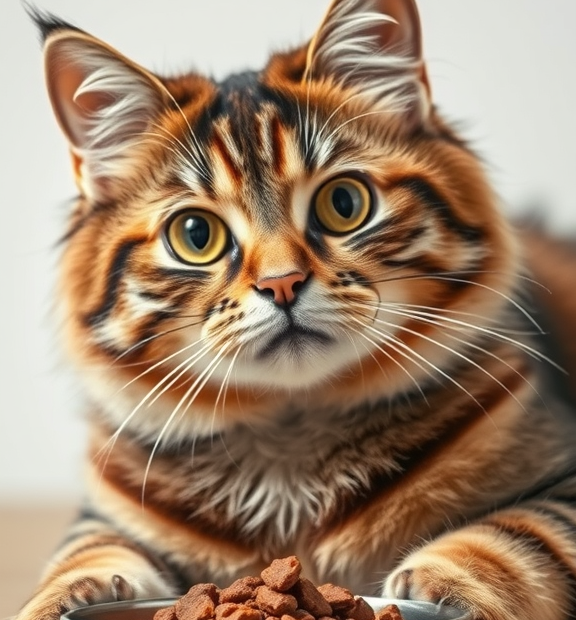
Choosing the Best Cat Food for Diabetic Cats: Key Nutritional Needs and Ingredients
Managing diabetes in cats requires careful attention to their diet, especially selecting the right cat food tailored to their unique health needs. Diabetic cats need specialized nutrition to help regulate blood sugar levels, support overall well-being, and maintain a healthy weight. Choosing the best cat food for diabetic cats involves understanding key nutritional requirements and carefully examining ingredient lists to make informed decisions.
Understanding the Nutritional Needs of Diabetic Cats
Diabetes in cats resembles type 2 diabetes in humans, where the body struggles to regulate insulin and blood sugar. A carefully balanced diet helps control blood glucose, minimizing the risk of complications. When selecting cat food, consider these core nutritional principles:
- Low Carbohydrate Content: High carbohydrate intake causes blood sugar spikes. Diabetic cats benefit from foods with reduced carbs, ideally under 10% of the total calories.
- High Protein Levels: Cats are obligate carnivores and require protein for muscle maintenance and energy. Protein should be the main nutritional component, helping keep blood glucose stable.
- Moderate Fat Content: Fat provides a concentrated energy source without impacting blood sugar as much as carbohydrates. However, excessive fat should be avoided as it can contribute to obesity.
- Fiber Inclusion: Some types of fiber can assist in managing blood glucose by slowing the absorption of sugar in the gut.
- Calorie Control: Ensuring the food supports a healthy weight is vital since obesity can worsen insulin resistance.
Why Low Carbohydrates Matter for Diabetic Cats
Standard cat foods often contain a higher percentage of carbohydrates because they include grain-based fillers or starchy ingredients. Diabetic cats do not process carbohydrates well, which causes their blood sugar to rise sharply after meals. Cat food for diabetic cats should minimize such ingredients to stabilize glucose levels.
Look out for pet foods that highlight a carbohydrate percentage on the label or check the ingredient list for fillers such as corn, wheat, rice, or potato. Instead, opt for products based on meat, fish, or poultry, which naturally contain fewer carbs.
High-Quality Protein Supports Muscle and Glucose Regulation
Protein not only aids in maintaining lean muscle but also helps regulate blood sugar. It provides a steady source of energy without causing insulin spikes. Ideally, diabetic cat food should include real meat as the first ingredient, such as chicken, turkey, fish, or beef. Animal-based proteins are more digestible and meet feline nutritional needs more effectively than plant proteins.
Fat Content: Energy Without the Sugar Impact
Including moderate healthy fats in diabetic cat food provides a dense energy source, which helps keep your feline friend energized without adding to blood sugar problems. Omega-3 and Omega-6 fatty acids found in fish oils or flaxseed promote healthy skin and coat and have anti-inflammatory effects.
However, it’s important to avoid foods that contain excessive fat levels, especially if the cat is overweight. A balance is critical, as too much fat can lead to further health concerns.
Fiber’s Role in Managing Diabetes Symptoms
Certain fiber types, such as soluble fiber, can slow carbohydrate absorption and improve bowel health. While fiber isn’t the most critical nutrient, its inclusion in diabetic cat food may offer helpful blood glucose control benefits.
Look for ingredients like beet pulp or psyllium husk as potential fiber sources. However, consult your veterinarian because too much fiber could interfere with nutrient absorption or the cat’s appetite.
Wet Food vs. Dry Food: Which Is Better for Diabetic Cats?
Often, wet cat food is preferred for diabetic cats since it generally contains fewer carbohydrates than dry kibble. In addition, wet food increases hydration, which is beneficial because diabetes can cause increased thirst and urination.
Dry foods tend to have higher carbohydrate content and some contain added sugars, which are problematic for blood sugar control. If you choose dry food, read the label carefully and look for formulas specifically marketed for diabetic or weight management cats.
Important Ingredients to Avoid
- Grains and Gluten: Corn, wheat, barley, and rice can spike blood sugar and provide little nutritional value for diabetic cats.
- Sugars and Sweeteners: Avoid foods with glucose, fructose, or other sweeteners which disrupt glycemic control.
- Fillers and By-products: Ingredients such as meat by-products or generic “animal digest” may reduce food quality and nutritional consistency.
Consult Your Veterinarian for Personalized Recommendations
Every diabetic cat is unique, and their nutritional needs can differ based on the severity of diabetes, age, weight, and overall health. Always consult a veterinarian before making dietary changes. They can guide you toward veterinary-prescribed diets or commercial foods reliably tested for diabetic cats.
Regular blood glucose monitoring is essential to track how well the chosen diet is managing your cat’s condition and adjust the feeding plan accordingly.
Final Thoughts on Selecting Cat Food for Diabetic Cats
The best cat food for diabetic cats is one that offers high protein, low carbohydrate content, moderate healthy fats, and appropriate fiber levels. Prioritize wet foods or specially formulated diabetic diets, always check ingredient lists meticulously, and seek veterinary guidance to optimize your feline’s health. With the right diet, your diabetic cat can enjoy a better quality of life and improved glucose control.
Managing Diabetes in Cats: How Diet Impacts Blood Sugar Control and Overall Health
When a cat is diagnosed with diabetes, managing its health becomes a priority. One of the most effective tools to help control blood sugar levels is the right diet. Understanding how food impacts a diabetic cat’s blood glucose can tremendously improve its quality of life and reduce complications associated with the condition.
Why Diet Is Crucial for Diabetic Cats
A diabetic cat’s body struggles to regulate blood sugar properly due to either inadequate insulin production or insulin resistance. This imbalance often leads to high blood sugar levels which, if left uncontrolled, can cause serious health issues. Feeding your cat the appropriate food helps stabilize these levels because diet directly affects glucose absorption and insulin response.
Choosing a specialized cat food for diabetic cats serves several purposes:
- Supports Blood Sugar Control: Low carbohydrate, high protein diets reduce spikes in blood glucose.
- Maintains a Healthy Weight: Obesity worsens insulin resistance, so managing weight is critical.
- Prevents Complications: Balanced nutrition minimizes risks of further kidney or liver issues.
Key Characteristics of Cat Food Suitable for Diabetic Cats
Not all cat foods are created equal when it comes to diabetes management. It’s important to focus on these factors when selecting the best food for a cat with diabetes:
Low Carbohydrate Content
Carbohydrates break down into sugars, directly impacting blood glucose. Foods formulated with minimal carbohydrates help prevent sudden surges in blood sugar, making insulin dosing more predictable. Dry kibble often contains higher carbs, so wet foods or specially labeled diabetic formulas are usually preferred.
High Protein Levels
Cats are natural carnivores and require protein for energy and tissue repair. High protein diets support lean body mass and help regulate metabolism. This also makes it easier to maintain stable glucose because protein promotes a slower, steadier release of energy compared to carbs.
Moderate Fat Content
Healthy fats provide essential fatty acids and help with nutrient absorption. However, excessive fat can add calories leading to unwanted weight gain. Balancing fat intake is essential to fuel your cat without contributing to obesity.
How to Implement Dietary Changes for Diabetic Cats
Making adjustments to your cat’s diet should always be a gradual process. Sudden switches can cause digestive upset or reduce appetite. Here’s how to approach dietary management:
- Consult Your Veterinarian: They can recommend specific diabetic cat food brands and tailor feeding plans based on your cat’s condition.
- Transition Slowly: Mix the new diabetic-specific food with your cat’s current food, gradually increasing the new formula over 7 to 10 days.
- Establish Regular Feeding Times: Feeding at consistent hours helps maintain predictable blood sugar levels.
- Monitor Blood Glucose: Track how diet changes impact glucose to inform further adjustments.
Popular Types of Cat Food for Diabetic Cats
There are several options designed to cater to diabetic feline needs. Common types include:
- Prescription Diets: These are specially formulated by veterinary nutritionists. Brands like Hill’s Prescription Diet m/d or Royal Canin Glycobalance offer balanced low-carb, high-protein formulas.
- Low-Carbohydrate Wet Foods: Wet food naturally contains less carbohydrate than dry kibble; selecting grain-free options lowers sugar content further.
- Homemade Diabetic Diets: Prepared under veterinary supervision, these recipes can control every ingredient but require careful nutrient balancing.
Practical Tips for Feeding Diabetic Cats
Integrating appropriate food choices into daily routines can optimize management:
- Avoid Free Feeding: Scheduled meals prevent overeating and help control blood sugar fluctuations.
- Watch Treat Intake: High sugar or carb treats can sabotage dietary efforts. Limit treats or choose diabetic-friendly options.
- Encourage Hydration: Wet foods and fresh water support kidney health and help flush excess sugar from the body.
Diet Alone Isn’t Enough—Regular Monitoring Is Essential
Your cat’s food plays a major role in diabetes care, but it works best combined with regular blood glucose monitoring and veterinary checkups. Insulin doses may need adjustments based on diet changes and blood sugar readings. Keeping a journal of your cat’s meals, weight, and glucose levels can provide valuable insights to your veterinarian.
Ultimately, by carefully selecting the right cat food for diabetic cats and following these strategies, you empower yourself to manage your feline friend’s diabetes more effectively. This thoughtful nutritional approach reduces complications, supports energy, and extends your cat’s happy, healthy life.
Conclusion
Selecting the right cat food for diabetic cats plays a vital role in managing your pet’s health and well-being. By focusing on foods that meet essential nutritional needs—such as low carbohydrates, high-quality protein, and balanced fiber—you help maintain stable blood sugar levels and support your cat’s overall metabolic health. Ingredients matter. Opting for formulas with limited fillers and sugars ensures better glucose control and may reduce the risks of diabetes-related complications.
Diet is a powerful tool when it comes to managing feline diabetes. What your cat eats directly affects their blood sugar, energy, and quality of life. A carefully planned diet can improve insulin sensitivity and help prevent dangerous spikes or drops in glucose. It also supports your cat’s weight management, which is often key in controlling diabetes. Integrating veterinary guidance with the right diabetic cat food boosts your chances of managing the condition effectively.
Ultimately, feeding your diabetic cat with the right nutrition strengthens their ability to live comfortably and healthfully. By understanding your cat’s unique needs and choosing foods formulated specifically for diabetes, you give them the best chance at balanced blood sugar and longevity. Remember, consistent feeding routines combined with appropriate cat food create a foundation for managing this challenging disease and enhancing your companion’s daily quality of life.