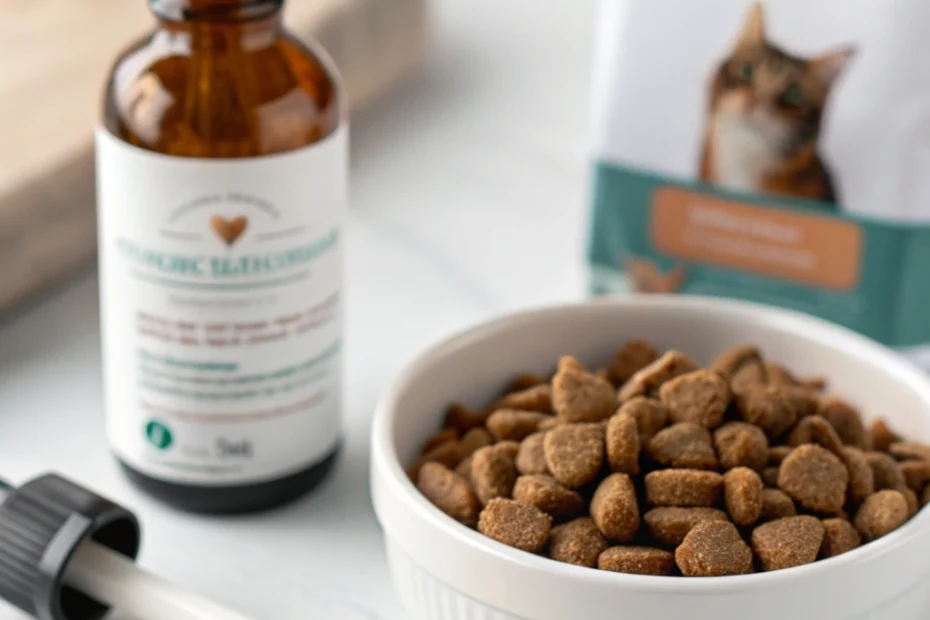
At-a-Glance
Hairballs are a common issue for many cats, often caused by their grooming habits. As cats groom themselves, they ingest loose hair, which can accumulate in their stomachs and form hairballs. While occasional hairballs are normal, frequent occurrences may indicate a need for dietary adjustments. Cat food for hairball control may help manage this issue by promoting healthy digestion and reducing hairball formation.
This type of cat food typically includes ingredients that support digestive health and help move hair through the digestive tract. It’s important to understand how these foods work and what to consider when choosing the right one for your cat.
How to Choose
When selecting cat food for hairball control, consider the following factors:
- Ingredients: Look for foods with high fiber content, as fiber can help move hair through the digestive system. Ingredients like beet pulp and psyllium husk are commonly used for this purpose.
- Nutritional Balance: Ensure the food provides a balanced diet with essential nutrients, including proteins, fats, vitamins, and minerals.
- Age and Health: Consider your cat’s age, weight, and any specific health conditions. Some foods are formulated for kittens, adults, or senior cats, while others may address specific health concerns.
- Palatability: Cats can be picky eaters, so it’s important to choose a food that your cat enjoys. Look for options with flavors your cat likes.
Consult your veterinarian for recommendations tailored to your cat’s specific needs.
Safety & Setup
Introducing a new cat food should be done gradually to avoid digestive upset. Start by mixing a small amount of the new food with your cat’s current food, gradually increasing the proportion over a week or two. Monitor your cat for any signs of discomfort or allergic reactions, such as vomiting, diarrhea, or changes in appetite.
Ensure fresh water is always available, as hydration is crucial for digestion and overall health. If your cat shows any adverse reactions or if hairball issues persist, consult your veterinarian for further guidance.
Core Pillars
Cat food for hairball control is built on several core pillars:
- Fiber Content: High fiber helps move ingested hair through the digestive tract, reducing the likelihood of hairball formation.
- Digestive Health: Ingredients that support gut health can improve digestion and nutrient absorption.
- Skin and Coat Health: Nutrients like omega-3 and omega-6 fatty acids promote a healthy coat, reducing shedding and hair ingestion.
- Overall Nutrition: A balanced diet ensures your cat receives all necessary nutrients for optimal health.
These pillars work together to support your cat’s health and reduce hairball issues.
Placement & Environment Tips
In addition to dietary changes, consider environmental factors that can help manage hairballs:
- Regular Grooming: Brushing your cat regularly can reduce shedding and the amount of hair your cat ingests.
- Stress Reduction: A calm environment can reduce stress-related grooming, which may decrease hairball formation.
- Interactive Play: Engage your cat in play to reduce boredom and excessive grooming.
These practices, combined with the right diet, can help manage hairballs effectively.
Comparison with Alternatives
While cat food for hairball control is a popular choice, there are other methods to consider:
- Grooming Tools: Regular use of grooming brushes can significantly reduce shedding.
- Hairball Remedies: Products like hairball gels or pastes may help lubricate the digestive tract, aiding in the passage of hairballs.
- Hydration: Ensuring your cat drinks enough water can support digestion and reduce hairball formation.
Each method has its benefits, and a combination may be most effective for your cat.
FAQs
Q: How often should I feed my cat hairball control food?
A: Follow the feeding guidelines on the food packaging and adjust based on your cat’s age, weight, and activity level. Consult your veterinarian for personalized advice.
Q: Can kittens eat hairball control food?
A: Some hairball control foods are formulated for kittens, but always check the label and consult your veterinarian before making changes to a kitten’s diet.
Q: Are there any side effects of hairball control food?
A: While generally safe, some cats may experience digestive upset when switching foods. Introduce new food gradually and monitor your cat’s reaction.
What to Do Next
Now that you understand the potential benefits of cat food for hairball control, consider your cat’s specific needs and consult your veterinarian for personalized recommendations. Remember, a holistic approach combining diet, grooming, and environmental adjustments can be most effective in managing hairballs.
Disclaimer: Always consult your veterinarian for personalized advice regarding your cat’s health.