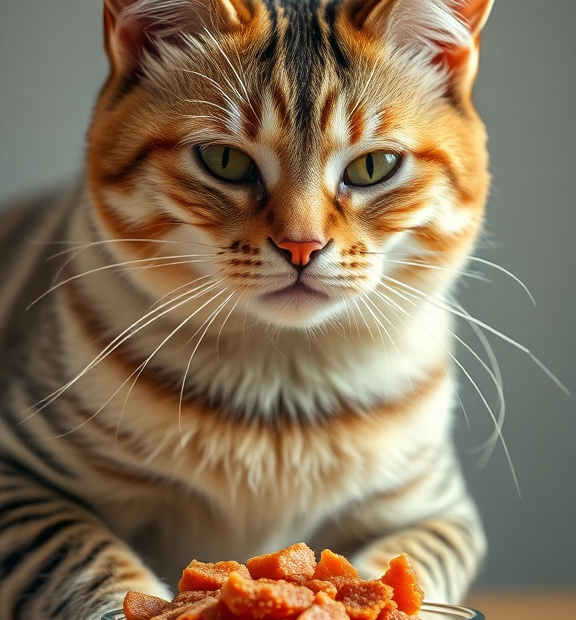
Understanding Cat Food and Its Impact on Liver Problems in Felines
When it comes to cat care, nutrition plays a crucial role, particularly concerning liver health. Understanding how cat food can affect liver problems in felines is essential for every cat owner. Some foods can contribute to liver issues, while others might help maintain liver health.
The liver is a vital organ in cats, responsible for metabolizing nutrients, filtering toxins, and producing bile. If your feline friend experiences liver problems, the right diet becomes even more important. Let’s explore how specific components of cat food can impact liver health.
The Role of Diet in Liver Health
A cat’s diet can significantly affect its liver. Here are some key factors to consider:
- Protein Levels: Cats require a balanced amount of protein. Diets too low in protein can worsen liver issues. On the other hand, excessive protein can lead to an overworked liver. Aim for high-quality, easily digestible proteins.
- Fat Content: Healthy fats support liver health by providing energy. However, excessive fat can lead to fatty liver disease. It’s important to find a balance that works for your cat.
- Carbohydrate Sources: Cats are obligate carnivores, meaning they thrive on animal proteins. Commercial cat foods often contain grains, which may not be suitable for cats with liver problems. Look for grain-free options or those with minimal carbohydrates.
- Vitamins and Antioxidants: Vitamins E and C are important for liver health. Foods rich in antioxidants can help reduce liver inflammation. Consider integrating supplements if your vet recommends them.
Common Liver Problems in Cats
Understanding cat food and its potential impact on various liver conditions is essential. Some common liver problems in felines include:
- Hepatic Lipidosis: This condition occurs when fat accumulates in the liver, often due to obesity or stress. A sudden change in diet can exacerbate this condition.
- Liver Disease: Chronic liver disease can develop from inflammation or infections, affecting liver function. Keeping your cat’s diet consistent and healthy is crucial.
- Cholangiohepatitis: This infection affects both the bile ducts and liver. It can result from bacteria or parasites, and diet plays a significant role in recovery.
Selecting the Right Cat Food
When choosing cat food tailored for liver health, keep these factors in mind:
- Prescription Diets: If your cat has existing liver issues, your veterinarian may recommend a prescription diet. These foods are specifically formulated to support liver function effectively.
- Quality Ingredients: Look for brands that list real meat as the primary ingredient. Avoid those with fillers, artificial preservatives, and by-products.
- Hydration: Ensure your cat stays hydrated. Canned foods can aid in hydration, which is vital for liver health. Always provide fresh water, too.
Monitoring Your Cat’s Health
Regular veterinary check-ups are essential for monitoring your cat’s liver health, especially if you notice behavioral changes or changes in appetite. Here are some signs that might indicate a liver issue includes:
- Loss of appetite or weight loss
- Increased thirst and urination
- Vomiting or diarrhea
- Jaundice (yellowing of the eyes or gums)
If any of these symptoms arise, consult your veterinarian promptly. Early diagnosis and tailored nutritional advice can significantly improve your cat’s quality of life.
Maintaining your cat’s liver health requires understanding the relationship between diet and liver function. By choosing the right cat food, focusing on quality proteins, and consulting your veterinarian, you can help prevent potential liver problems and ensure your feline friend remains healthy for years to come.
Nutritional Strategies for Managing Liver Health in Cats
Maintaining liver health in cats is essential for their overall well-being. Liver problems can arise from various causes, including poor diet, obesity, and underlying health conditions. Implementing specific nutritional strategies can help support your cat’s liver and promote its function.
First and foremost, choose high-quality cat food. Quality ingredients matter when it comes to your cat’s diet. Look for foods that contain high protein levels, as protein is crucial for liver health. It’s best to select commercial diets that use whole meats as the primary source of protein. Additionally, avoid products with excessive fillers like corn or soy, which can lead to weight gain and other liver-related issues.
Consider incorporating the following nutritional elements:
- Essential Fatty Acids: Omega-3 and Omega-6 fatty acids can help improve liver function. They support the liver by reducing inflammation and promoting overall cell health. You may find these fatty acids in fish oil or flaxseed oil.
- Antioxidants: Vitamins E, C, and B complex, as well as minerals like zinc and selenium, are vital. They protect liver cells from damage caused by free radicals. Foods rich in these nutrients include fruits and vegetables such as blueberries, spinach, and carrots.
- Amino Acids: Certain amino acids, such as taurine, play a significant role in liver health. Supplementing your cat’s diet with taurine is particularly important for overall organ function.
Hydration is also key when considering your cat’s liver health. Cats tend to have a low thirst drive, so encourage them to drink plenty of water. Dehydration can stress the liver and hinder its function.
Feeding smaller, more frequent meals can alleviate stress on the liver. This approach helps manage your cat’s blood sugar levels and reduces the risk of fat accumulation in the liver. Instead of two large meals, consider offering four to six smaller meals throughout the day.
When transitioning to new food, do so gradually. A sudden shift can upset your cat’s digestive system, which may stress the liver further. Mix a small amount of the new food with the current food, gradually increasing the proportion of the new diet over a week.
Be cautious with treats and table scraps. Many human foods can be harmful to cats, particularly those high in sugar or fat. Treats should only make up a small portion of your cat’s diet, ideally less than 10% of total daily calories.
If your cat has been diagnosed with liver issues, it’s vital to consult your veterinarian for personalized dietary recommendations. They may suggest prescription diets specifically formulated for liver support. These diets typically have lower protein levels but include high-quality protein sources to minimize the strain on the liver.
In some cases, additional supplementation may be useful. Products with silymarin (milk thistle) may help protect and regenerate liver cells. Always discuss with your vet before introducing any supplements to ensure they are safe and appropriate for your cat’s specific health condition.
Regular monitoring of your cat’s health through veterinary check-ups can catch any liver issues early. Blood tests can evaluate liver enzymes and overall health, allowing for timely interventions if necessary.
Additionally, maintain a healthy weight for your cat. Obesity is a significant risk factor for liver diseases. Keep an eye on your cat’s body condition and adjust their diet as needed. Regular exercise and playtime are integral for weight management and overall health.
By focusing on these nutritional strategies, you can significantly support your cat’s liver health. Always remember that every cat is unique, so tailor your approach to their individual needs and consult with a veterinarian for the best practices for your feline friend.
Conclusion
As you navigate the intricate world of cat care, it’s essential to recognize the profound link between cat food and liver health. The quality of the food you choose can play a pivotal role in preventing liver problems in your beloved feline. A balanced diet rich in essential nutrients can support liver function, enhance detoxification processes, and reduce the risk of related health issues.
To manage and prevent liver problems effectively, incorporating nutritional strategies tailored to your cat’s needs is crucial. Opt for high-quality commercial cat foods specifically designed for liver support, or consider formulating a homemade diet under the guidance of a veterinarian. Providing plenty of hydration, offering small, frequent meals, and avoiding harmful ingredients are practical steps that can contribute significantly to your cat’s overall well-being.
Pay attention to the signs of liver distress, such as changes in appetite, behavior, or litter box habits. Early detection is key to addressing any issues before they escalate. Regular veterinary check-ups can help catch potential problems early and guide you in making informed decisions about your cat’s diet.
Ultimately, prioritizing your cat’s liver health through thoughtful dietary choices not only enhances their quality of life but also allows you to share many more happy moments together. Your commitment to their nutrition can lead to a healthier, happier cat who thrives with every meal. Remember, the right cat food is more than just a meal; it’s a vital component in caring for your furry friend’s liver health and overall vitality.