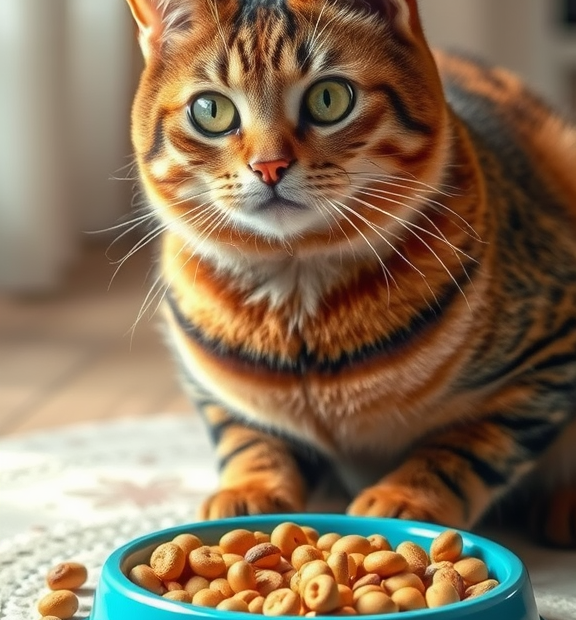
Choosing the Best Cat Food Mat for a Mess-Free Feeding Area
Why a Cat Food Mat is Essential for Every Cat Owner
When you feed your cat, do you often find bits of food scattered all over the floor? Cat food mats are a simple yet effective solution to keep your feeding area clean. These mats act as a barrier between the floor and your cat’s food bowl, catching spilled kibble and wet food. Beyond cleanliness, choosing the right cat food mat can also enhance your pet’s comfort and hygiene.
Cats can be messy eaters, especially playful kittens or older cats who move their bowls around. A well-chosen cat food mat prevents food crumbs from sticking to your floor, making cleanup easier and saving you time. Additionally, mats protect surfaces from moisture damage caused by spilled water or damp food, which is common with cats who might drool or nudge their bowls during meals.
Key Features to Look for in a Cat Food Mat
Not all cat food mats are created equal. To select the best one, consider these critical factors:
- Material Quality: Silicone and rubber mats are popular because they are non-slip, easy to clean, and durable. Additionally, these materials resist mold and stains, which is important for wet food enthusiasts.
- Size and Shape: Ensure the mat is large enough to accommodate your cat’s bowls and catch spills. Rectangular or semicircular shapes fit well against walls or corners, optimizing feeding space.
- Raised Edges or Lip Design: Look for mats with raised edges to contain spills and prevent food from sliding off onto the floor.
- Ease of Cleaning: Mats that can be wiped clean or washed in the dishwasher will save you effort and promote better hygiene.
- Non-Toxic and Pet Safe: Since your cat will be in direct contact with the mat, materials should be free of harmful chemicals and safe for pets.
Types of Cat Food Mats to Consider
Depending on your needs, cat food mats come in several styles:
Silicone Food Mats
Silicone mats are flexible and often come with raised edges and textured surfaces to keep bowls steady. Their waterproof nature makes them particularly great for wet food, and they can be cleaned quickly with soap and water. Silicone mats are also foldable or rollable, making them ideal for travel or small spaces.
Rubber Food Mats
Rubber mats provide strong traction, so bowls don’t slip during feeding. They tend to be thicker and more durable, often designed with non-slip bottoms. Their weight and texture help keep messy eaters on task and reduce spills.
Vinyl Food Mats
Vinyl mats are budget-friendly and easy to wipe clean. They come in a range of patterns and colors, allowing you to match your home decor. However, they may lack the durability of silicone or rubber and can sometimes curl up at the edges over time.
Absorbent Fabric Mats
Some mats include absorbent fabric layers to soak up spills, especially from water bowls. These mats often have a waterproof backing to prevent moisture from reaching the floor, but they may require more frequent washing to prevent odors.
Additional Benefits of Using a Cat Food Mat
Besides cleanliness, cat food mats offer some unexpected perks:
- Protect Your Floors: No matter if you have hardwood, tile, or carpet, food stains and water damage can be costly. Mats act as a shield, preserving your flooring.
- Improved Eating Habits: Some cats are sensitive to bowl movement. Mats that keep bowls in place can discourage frantic eating and reduce anxiety.
- Reduce Noise: Hard bowls can clatter on countertops or floors. Mats cushion the noise, making mealtime more peaceful.
How to Maintain Your Cat Food Mat
To keep your feeding area hygienic, clean your cat food mat regularly. Most silicone and rubber mats are dishwasher-safe, which simplifies maintenance. If washing by hand, use warm water with mild soap, rinse thoroughly, and dry completely before placing bowls back.
Fabric mats may require machine washing or spot cleaning. Consider pairing a fabric mat with a silicone base for easy spill containment.
Tips for a Mess-Free Feeding Experience
Even the best mat works well when combined with some simple practices:
- Choose the Right Bowl Size: Larger bowls reduce the chance of food spilling outside the mat.
- Monitor Your Cat’s Eating Behavior: If your cat tends to scatter food, experiment with mat placements or bowl types like weighted or no-tip designs.
- Regular Cleanup: Remove food debris and wipe down the mat daily to avoid attracting pests or causing odors.
Taking the time to select and maintain a cat food mat can transform your feeding routine. It keeps your space tidy, your floors safe, and your feline friend comfortable. Investing in this simple but effective accessory is a win-win for every cat owner looking to combine convenience with care.
How to Maintain and Clean Your Cat Food Mat for Longevity and Hygiene
Keeping Your Cat Food Mat Clean for a Healthy Feeding Area
Cats enjoy their meals, but often the mess around their feeding spot can create hygiene concerns. A cat food mat acts as a protective layer that catches spills and keeps food crumbs contained. To ensure your cat’s eating area remains fresh and safe, it’s essential to maintain and clean this mat regularly. Not only does this protect your floors, but it also supports your pet’s health by preventing bacteria buildup.
Daily Maintenance Tips for Your Cat Food Mat
Maintaining the cleanliness of your cat food mat doesn’t have to be time-consuming. A few simple steps each day can prevent stains and odor:
- Wipe down after each meal: Use a damp cloth or paper towel to clean up any spills or crumbs right after your cat finishes eating. This prevents food from sticking onto the mat.
- Shake off debris: Gently lift and shake the mat outdoors or over a trash bin to remove dry food particles and dust that accumulate throughout the day.
- Keep feeding bowls off the mat surface: If possible, place bowls on a raised platform or use mat designs with built-in bowl holders. This reduces food grime on the mat.
These daily habits minimize dirt buildup and make deep cleaning easier when needed.
How to Deep Clean Your Cat Food Mat: The Best Methods
Depending on the mat material, effective deep cleaning helps maintain longevity and hygiene. Here’s how to care for the most common types:
Silicone and Rubber Mats
These mats are flexible, waterproof, and usually dishwasher-safe, making them easy to clean:
- First, rinse off food crumbs under warm running water.
- Use mild dish soap and a soft brush or sponge to scrub the surface gently.
- For stubborn stains or odors, soak the mat in warm soapy water for 10-15 minutes before scrubbing.
- When dishwasher-safe, place the mat on the top rack and run a normal cycle with minimal detergent to avoid residue.
- Allow the mat to air dry completely before using it again to prevent mold or mildew.
Fabric or Neoprene Mats
Fabric mats are comfortable but require more careful handling to avoid damage:
- Check the care label for machine washing instructions.
- Pre-treat any stains with a pet-safe stain remover.
- Wash in cold water with gentle detergent on a gentle cycle.
- Allow to air dry instead of using a dryer, as high heat may shrink the fabric.
- If hand washing, soak in warm soapy water and scrub lightly, then rinse thoroughly.
Plastic Mats
Plastic mats can be cleaned with basic household methods:
- Wipe with a damp cloth soaked in a water and vinegar solution (equal parts) to remove grease and odors.
- Use a sponge with warm soapy water for degreasing.
- Rinse and dry completely before use to avoid slippery feeding surfaces.
Preventive Measures to Extend the Life of Your Cat Food Mat
Proper use and care can significantly extend your mat’s lifespan. Consider these tips:
- Choose the right mat: Select a high-quality mat that suits your cat’s eating style and your home environment. Durable mats made from silicone or rubber typically last longer.
- Rotate mats: If you have multiple mats, rotate cleaning and usage to reduce wear and tear on a single mat.
- Store mats properly: Roll or lay your mats flat when not in use, away from direct sunlight and heat sources to prevent warping or discoloration.
- Avoid harsh chemicals: Stick to pet-safe cleaning agents, as strong chemicals may degrade the material and cause irritation to your cat.
- Trim your cat’s nails regularly: Sharp claws can damage mats, especially fabric ones. Keeping nails trimmed minimizes scratching and tear risks.
Signs That It’s Time to Replace Your Cat Food Mat
Even with good care, mats wear out over time. Keep an eye on these signs:
- Persistent odors: If unpleasant smells linger despite deep cleaning, bacteria or mold may have penetrated the mat material.
- Cracks or tears: Visible damage can harbor germs and reduce the mat’s effectiveness in catching spills.
- Warping or curling edges: This affects bowl stability and may cause food to spill off the mat.
- Stubborn stains: When stains become permanent, the mat can look unhygienic and unappealing.
Replacing mats when they show these signs ensures your cat continues to have a clean, safe eating space.
Maintaining Hygiene Beyond the Mat
Cleaning the cat food mat is one part of a broader approach to your cat’s feeding hygiene. Regularly clean their food and water bowls with hot, soapy water or in the dishwasher if possible. Keep feeding areas free from dust and debris and store food properly in sealed containers to avoid contamination.
By combining daily upkeep and proper cleaning practices, your cat’s feeding mat will remain a clean, welcoming spot that supports their well-being. Investing time in mat maintenance pays off with a healthier pet and less mess for you to manage.
Conclusion
Selecting the right cat food mat plays a crucial role in creating a clean, organized feeding space for your feline friend. By choosing a mat that fits your cat’s needs—whether it’s waterproof, non-slip, or easy to clean—you can significantly reduce mealtime messes and protect your floors from spills and stains. A good cat food mat not only simplifies daily cleanup but also helps keep your pet’s eating area hygienic and comfortable.
Maintaining your cat food mat regularly ensures it lasts longer and continues to serve its purpose effectively. Simple routines like wiping down the surface after every meal and washing it thoroughly on a regular schedule help prevent bacteria buildup and odors. Using mats made from durable, easy-to-clean materials can make this maintenance stress-free for you, allowing your cat to enjoy a safe and sanitary eating environment.
By investing a little time and thought into both selecting and caring for your cat food mat, you create a pleasant feeding spot that benefits both you and your pet. This simple, yet effective, addition can keep your home tidy and your cat happy, turning mealtime into a hassle-free experience. Whether you are dealing with a messy eater or just want to keep things neat, the right cat food mat is a smart and practical choice.