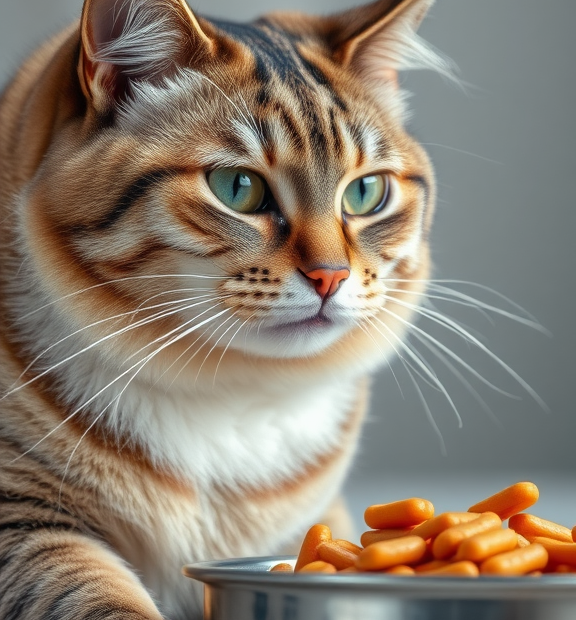
Best Cat Food Options to Help Your Feline Gain Weight
Many pet owners face the challenge of helping their cats gain weight. If your feline is underweight, choosing the right cat food can make a significant difference in achieving a healthy weight. Here’s a guide to the best cat food options that can help your furry friend pack on some healthy pounds.
High-Calorie Cat Food Brands
Not all cat food is created equal, especially when it comes to calorie content. Some brands specifically formulate their food for weight gain. Look for products that advertise high-calorie content, as they can be a more effective choice for your cat’s dietary needs. Here are some popular brands:
- Hill’s Science Diet: Known for its high-quality ingredients, Hill’s offers specific formulas designed to promote weight gain in cats.
- Royal Canin: This brand has specialized diets that cater to cats needing extra calories; their veterinary formulas can be a great option.
- Purina Pro Plan: With high protein content, Purina’s offerings can help build muscle while ensuring your cat gains weight healthily.
- Wellness Core: Packed with premium proteins and high calorie counts, this brand supports weight gain without unnecessary fillers.
Choosing one of these brands means you are giving your cat a food designed to help them achieve a healthy weight. Always check the package for information on caloric density to find the best option.
Look for High-Quality Proteins
It’s essential to focus on protein sources when selecting cat food for weight gain. Cats are obligate carnivores, which means they thrive on diets rich in meat and protein. Here are some high-quality protein sources to look for:
- Chicken or Turkey
- Fish (like salmon or tuna)
- Lamb or Beef
- Pork
Finding a food that lists one or multiple high-quality protein sources as the first ingredient can be beneficial. This ensures that your cat gets what it needs for weight gain, as protein helps build and maintain muscle mass.
Incorporate Wet Food into Their Diet
Wet cat food is often higher in calories due to its moisture content, making it an excellent choice for underweight cats. Additionally, many cats find wet food more appetizing, which can encourage them to eat more. Consider the following:
- Choose wet foods with a higher fat and protein content.
- Mix wet food with dry food to enhance flavor and change textures.
- Try feeding smaller, more frequent meals throughout the day to keep your cat engaged in eating.
These strategies can help boost your cat’s calorie intake effectively.
Consider Supplements
If you are still struggling to help your cat gain weight, consider nutritional supplements. These can provide extra calories and nutrients beyond their regular food. Some popular options include:
- High-Calorie Gel: Products like VetIQ Nutri-Cal can be given as a treat to increase calorie intake.
- Meal Toppers: Add high-calorie supplements on top of their food to enhance flavor and nutrition.
- Protein Powders: These can be sprinkled on food for an additional protein boost.
Consult your veterinarian before starting any supplements to ensure they are suitable for your cat.
Monitor Their Progress
It’s important to monitor your cat’s weight gain. Weight gain should be gradual and steady. A gain of about 1-2% of their body weight per week is generally healthy. Regular veterinary check-ups can help track your cat’s progress and rule out any health issues that might prevent weight gain.
By carefully selecting high-calorie foods, incorporating wet options, and monitoring your cat’s eating habits, you can help your feline friend gain weight effectively and healthily. Always remember to transition to new foods gradually to prevent digestive upset and consult a veterinarian for tailored advice. After all, the goal is to ensure your cat not only gains weight but does so in a safe and sustainable way.
Signs Your Cat Needs a Weight Management Plan
Are you noticing that your cat is looking a little different lately? Cats can gain weight for various reasons, and sometimes it’s not easy to tell if your furry friend needs to shed a few pounds. Keeping an eye on certain signs can help you determine if your cat requires a weight management plan. Here are some important signals you should watch for.
One of the primary signs that your cat may need to manage their weight is a noticeable change in their body shape. A healthy cat should have a slight waist when viewed from above. If your cat appears round all over, or if you’re unable to feel their ribs without pressing firmly, these could be indicators of obesity.
Another clear sign is reduced playfulness. If your usually energetic feline suddenly seems lazy or uninterested in toys, this can hint at excess weight. Cats that carry extra pounds often tire quickly and may prefer to spend their time lounging instead of engaging in playful activities.
Your cat’s eating habits can also be a significant clue. Watching how much and how often your cat eats will help you assess their weight needs. If your cat abruptly begins to overeat or begs for food constantly, it could be due to an underlying issue, such as boredom or stress, and may lead to weight gain that requires management. On the flip side, a sudden loss of appetite can also indicate health concerns. Always consult your vet if you notice these changes.
Changes in grooming habits can sometimes indicate weight issues as well. Cats are known for their cleanliness, but an overweight cat may struggle to reach certain areas, leading to unkempt fur. If you observe that your cat’s coat seems oily or matted, it may be a sign that they are having difficulty grooming themselves due to their size.
Excess weight can lead to difficulties in movement. If your furry friend seems to be limping or struggling to jump onto furniture, this might point to weight-related problems. Keep an eye on how easily your cat can move about. Shortness of breath during play can also signal that they are not at a healthy weight.
In some cases, you might notice changes in your cat’s litter box habits. Increased urination or changes in the consistency of litter can signify diabetes or other health concerns that may be linked to obesity. If you spot these changes, it’s crucial to discuss them with your veterinarian.
To further understand your cat’s weight status, consider the Body Condition Score (BCS). This scoring system evaluates body fat and overall body weight. A score of 1 indicates an underweight cat, while a score of 9 indicates an obese cat. A score of 5 is considered ideal. Regularly checking your cat’s BCS can help you stay informed about their weight needs.
It’s not just your cat’s physical signs you should consider. Emotional changes can also signal that your cat might need a weight management plan. If your feline seems more irritable or hides more than usual, this may be due to discomfort from extra weight or related health issues. Check in with your vet if you’re sensing behavioral changes.
Monitoring your cat’s weight and physical condition is central to their overall health. If you notice any of these signs, it may be time to discuss a weight management plan with your veterinarian. Regular veterinary check-ups can help you keep a close eye on your cat’s health and confirm whether weight loss is necessary.
Creating a healthy environment is vital. Adjusting your cat’s diet, providing plenty of stimulating toys, and ensuring regular exercise can make a significant difference in their quality of life. Remember, happy, active cats are healthier—and that is something every pet owner wants! By staying vigilant and proactive, you’ll help your cat maintain a healthy weight and live a longer, happier life.
Conclusion
Choosing the right cat food to help your feline gain weight is crucial for their overall health and well-being. Premium options like high-protein dry foods or calorie-dense wet meals can provide the nutrition your cat needs to safely increase their weight. When selecting a cat food, look for formulas specifically designed for weight gain, ensuring they contain the right balance of proteins, fats, and essential vitamins.
Being aware of the signs that your cat needs a weight management plan is equally important. If you notice that your feline is losing weight, has a decreased appetite, or lacks energy, these could be indicators that a specific feeding strategy is necessary. Regular vet check-ups can also help you monitor your cat’s weight and overall health.
By combining the best cat food options with an understanding of your cat’s needs, you can create a tailored plan that promotes healthy weight gain. It’s not just about feeding your cat more but ensuring they’re receiving the right kind of nutrition. As you embark on this journey, remember that gradual and steady weight gain is preferred over rapid increases, which can strain your cat’s body.
Ultimately, patience and the right choices in food will lead to a healthier, happier feline companion. Ensure that you stay observant of any changes in behavior or health, and consult with your veterinarian for advice tailored to your specific circumstances. With careful planning and attention, you’ll be well on your way to helping your cat achieve a healthier weight.