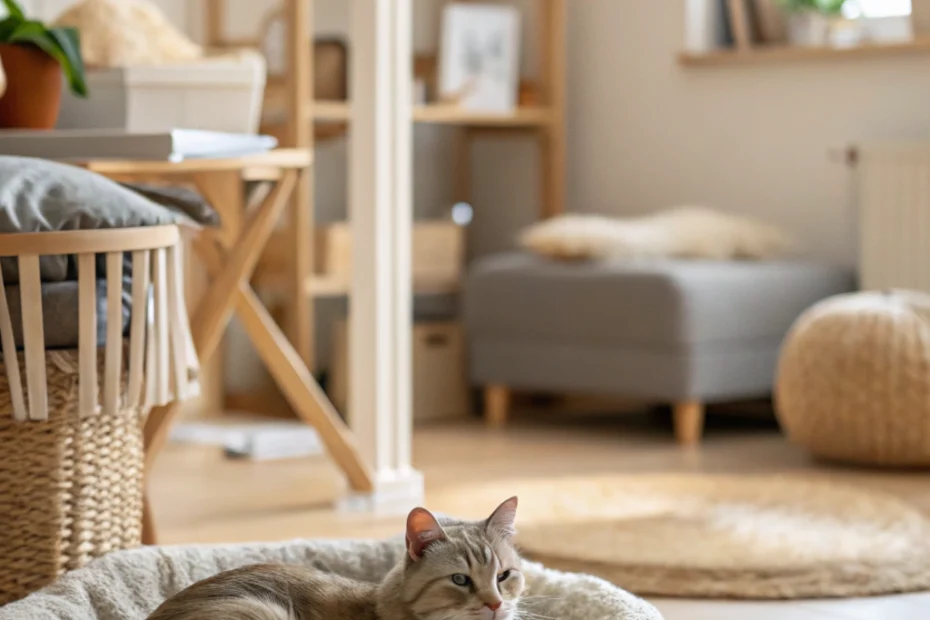
Cat furniture plays an essential role in creating a comfortable and enriching environment for your feline friend. Whether you’re introducing a new piece or optimizing the existing setup, understanding the basics can make a significant difference in your cat’s well-being. This guide will help you choose the right furniture, ensure safety, and optimize placement for maximum comfort.
at a Glance: Key Facts for Cat Owners
Providing suitable cat furniture is more than just a luxury; it’s a necessity for your cat’s physical and mental health. From simple scratching posts to elaborate cat trees, these items cater to your cat’s natural instincts.
- Cat furniture supports climbing, scratching, and resting behaviors.
- Variety in furniture can reduce stress and prevent behavioral issues.
- Proper selection can enhance your cat’s quality of life.
How to Choose
When selecting cat furniture, consider your cat’s size, age, and personality. Here are some factors to keep in mind:
Size and Stability
Ensure that the furniture is appropriately sized for your cat. Larger cats need sturdier structures to support their weight without tipping over.
Material and Texture
Look for materials that mimic natural textures. Sisal rope, for example, is excellent for scratching, while plush surfaces offer comfortable rest spots.
Functionality
Consider multi-functional pieces that combine scratching, climbing, and resting areas. This can save space and provide varied stimulation.
Safety & Setup
Introducing new furniture requires careful planning to ensure your cat’s safety. Here are some steps to consider:
- Secure furniture to walls if necessary to prevent tipping.
- Check for sharp edges or small parts that could pose a risk.
- Introduce new pieces gradually, allowing your cat to explore at their own pace.
If your cat shows signs of stress or discomfort, consult your veterinarian for advice on easing the transition.
Core Pillars
To ensure your cat benefits fully from their furniture, focus on these core pillars:
- Consistency: Maintain a consistent layout to help your cat feel secure.
- Environment: Create a stimulating environment with varied textures and levels.
- Monitoring: Regularly inspect furniture for wear and tear.
- Gradual Change: Introduce changes slowly to minimize stress.
Placement & Environment Tips
Strategic placement can enhance your cat’s enjoyment of their furniture. Consider these tips:
- Place furniture near windows for natural light and views.
- Ensure access to safe, quiet areas for rest and retreat.
- Regularly clean and maintain furniture to keep it inviting and hygienic.
Comparison with Alternatives
While cat furniture is a popular choice, there are alternatives like DIY solutions or minimalist setups. Here’s how they compare:
- DIY Solutions: Customizable but may lack durability.
- Minimalist Setups: Less cluttered but may offer limited stimulation.
Cat furniture is often favored for its specialized design, catering specifically to feline needs.
FAQs
What type of cat furniture is best for small apartments?
Compact, vertical structures like cat trees maximize space while offering ample climbing and resting options.
How often should I replace cat furniture?
Regularly inspect for damage and replace when stability or safety is compromised, typically every few years.
Can I make my own cat furniture?
Yes, DIY projects can be a fun way to customize furniture to your cat’s preferences, but ensure safety and stability.
What materials are safe for cat furniture?
Natural materials like sisal, wood, and non-toxic finishes are generally safe and appealing to cats.
How do I encourage my cat to use new furniture?
Use treats, toys, or catnip to attract your cat to new furniture and allow them to explore at their own pace.
What to Do Next
Choosing the right cat furniture is a rewarding journey that enhances your cat’s environment. Remember the key takeaways: prioritize safety, consider your cat’s unique needs, and create a stimulating yet comfortable space. Continuously observe your cat’s interaction with their environment, and consult with your veterinarian for tailored advice. This thoughtful approach can lead to a happier, healthier home for your feline companion.
Disclaimer: Always consult your veterinarian for personalized advice regarding your cat’s health.