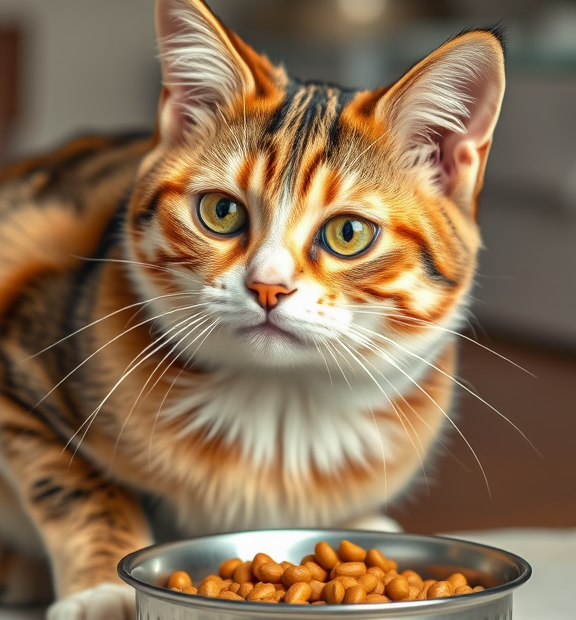
Understanding the Cheapest Cat Food Mealtime Problems and Solutions
Every cat owner wants to provide the best for their furry friend, but when budget constraints come into play, the search for the cheapest cat food can turn into a challenge. Unfortunately, low-cost options may lead to unexpected mealtime problems. Understanding these issues is key to getting your feline friend to eat again.
When cats ignore their meals, several factors could be at play. One common issue with cheaper cat foods is the quality of ingredients. Budget brands often include lower-quality proteins and fillers that may not be palatable to your pet. Here are some signs to watch for:
- Refusal to eat or sudden changes in appetite
- Vomiting or digestive issues
- Increased grooming or changes in behavior
If you notice any of these symptoms, it may be time to reassess the food you are providing. Cats, like people, can be picky eaters. You want them to enjoy their meals, not just eat for survival. So how can you entice them back to their food dish? Here are some effective strategies:
Improve the Taste and Aroma
Sometimes the simplest solution is a bit of flavor enhancement. Here are a few suggestions:
- Wet Food Addition: Mix a spoonful of wet cat food into the dry food. This can add moisture and flavor.
- Broth or Gravy: Try adding low-sodium chicken or beef broth. Ensure it’s free from onions and garlic, which are harmful to cats.
- Top it Off: Sprinkling nutritional yeast or a small amount of canned tuna can make the meal more appealing.
Change the Food Type
If your cat consistently turns its nose up at the budget brand, it may be worth investigating higher-quality options that still fit your budget. Look for foods with:
- High-quality protein sources listed first on the ingredients list
- Fewer fillers like corn, soy, or by-products
- Added nutrients and vitamins that support overall health
Establish a Routine
Cats thrive on routine. If feeding times are erratic, your cat may not associate mealtime with food. Try to feed your cat at the same times every day. This signals to your pet that it’s time to eat, creating a more predictable environment:
- Feed your cat at least twice a day.
- Set a regular schedule that works for your lifestyle.
- Avoid leaving food out all day; serve it fresh at each mealtime.
Check the Feeding Environment
The location of your cat’s food dish can greatly impact whether they choose to eat. Make sure the feeding area is quiet, clean, and away from their litter box. Some cats prefer elevated dishes or those that mimic their natural hunting stance. Consider these tips:
- Use non-slip mats under the food and water dishes.
- Ensure the feeding spot is free from loud noises or distractions.
- Experiment with different dish heights and designs.
Consult a Veterinarian
If your cat continues to refuse food, or if you notice any concerning health changes, it is essential to consult with a veterinarian. They can help rule out any underlying health issues that might be causing your cat’s lack of appetite. Sometimes, cheaper options can lead to negative health issues, and it’s better to catch them early.
Ultimately, the cheapest cat food doesn’t have to mean compromised health. By enhancing the meal’s appeal, adjusting feeding routines, and being attentive to your cat’s needs, you can solve the mealtime problem effectively. Remember that a satisfied cat is a happy cat, and finding the right balance within your budget will contribute to your feline’s overall happiness and well-being.
Tips to Encourage Your Cat to Eat Again After a Food Change
Changing your cat’s food can sometimes cause them to turn up their noses at mealtime. If your feline companion isn’t eating after a food change, don’t worry. There are ways to encourage your cat to eat again. Follow these tips to make mealtime enjoyable for your pet.
Understanding Your Cat’s Preferences
First, it’s essential to understand that cats can be particular about their food. Pay attention to the flavors and textures your cat prefers. You may have switched to a cheaper brand, but it’s possible that your cat simply doesn’t like the taste or texture. When selecting a new food, consider these aspects:
- Flavor: Try different proteins such as chicken, tuna, or salmon to see what tempts your cat.
- Texture: Some cats prefer wet food, while others might favor dry kibble.
- Aroma: Cats have a keen sense of smell. A food that smells good to you might intrigue your cat.
Gradual Transition to New Food
Suddenly switching your cat’s food can lead to mealtime dilemmas. To ease the transition, consider mixing the old food with the new. Start with a small amount of new food and gradually increase it over a few days. Here’s a simple method:
- Days 1-3: Mix 25% new food with 75% old food.
- Days 4-6: Adjust to a 50/50 mix.
- Days 7-10: Increase to 75% new food and 25% old food.
- After Day 10: Serve only new food once your cat is accustomed.
This method helps reduce digestive upset and gives your cat time to adjust to the new flavor.
Enhancing Food Appeal
If your cat remains uninterested, try enhancing the food’s appeal. Cats are often more attracted to food that’s warmed slightly. Heat the canned food for a few seconds in the microwave to release the aroma. Always ensure the food isn’t too hot. You can also try:
- Adding water: Mixing a bit of warm water into dry kibble can create a tasty gravy-like texture.
- Using broth: Unsalted chicken or beef broth can entice your cat and add flavor.
- treats: Sprinkling a few of your cat’s favorite treats on top can encourage them to take the plunge.
Creating a Comfortable Eating Environment
The setting where your cat eats can impact their appetite. Ensure that the food bowl is clean and in a quiet, comfortable spot. Cats often prefer to eat in secluded areas away from loud noises or other pets. Consider these tips for a better mealtime experience:
- Choose a designated feeding area that’s away from busy household traffic.
- Ensure the bowl is at an appropriate height for your cat, especially for older cats or those with mobility issues.
- Keep the drinking water fresh and nearby, as hydration is essential for appetite stimulation.
Health Check
If your cat continues to refuse food, it’s crucial to consult with a veterinarian. A lack of appetite can signal health issues or dental problems. Regular check-ups can help catch any potential concerns early on. Make a note of any additional symptoms your cat may exhibit, such as:
- Vomiting or diarrhea
- Change in weight
- Lethargy
Pacing Meals and Scheduled Feedings
Consider adjusting your feeding schedule. Some cats prefer smaller, more frequent meals throughout the day rather than a couple of larger ones. By offering smaller portions can help make mealtime less daunting, enticing your cat to nibble and gradually start eating more.
Switching your cat’s food doesn’t have to lead to a mealtime problem. By understanding your cat’s preferences, transitioning gradually, enhancing the food’s appeal, and creating a comfortable environment, you can help encourage your feline friend to eat again. If issues persist, a visit to the vet is essential for their health.
Conclusion
Finding the right cat food that fits your budget doesn’t have to lead to mealtime struggles. By understanding the common issues associated with transitioning to cheap cat food, you can take proactive steps to ensure your feline friend continues to eat happily. If your cat has shown reluctance to adjust to a less expensive option, it’s essential to consider their preferences and incorporate strategies that make mealtime enjoyable again.
Start by gradually introducing the new food alongside their regular diet, allowing them to get used to the new flavor and texture without feeling overwhelmed. Using treats or enticing toppings can also encourage interest and stimulate their appetite. Additionally, try different feeding schedules or locations—sometimes a change in ambiance can revitalize a cat’s willingness to eat.
Paying attention to your cat’s behavior is key. If they continue to resist the new food, it might just not meet their individual taste or nutritional needs. Don’t hesitate to consult with your veterinarian for personalized advice, especially if your cat’s eating habits change drastically. Your goal is to ensure they receive adequate nutrition while also keeping costs manageable.
By patiently addressing the mealtime problems that can arise with inexpensive cat food, you pave the way for a happier, healthier pet. Cats can be notoriously picky, but with your commitment, you can help find a suitable solution that satisfies both their palate and your budget. A little creativity and care can turn mealtime back into a pleasure for both you and your beloved feline companion.