At-a-Glance
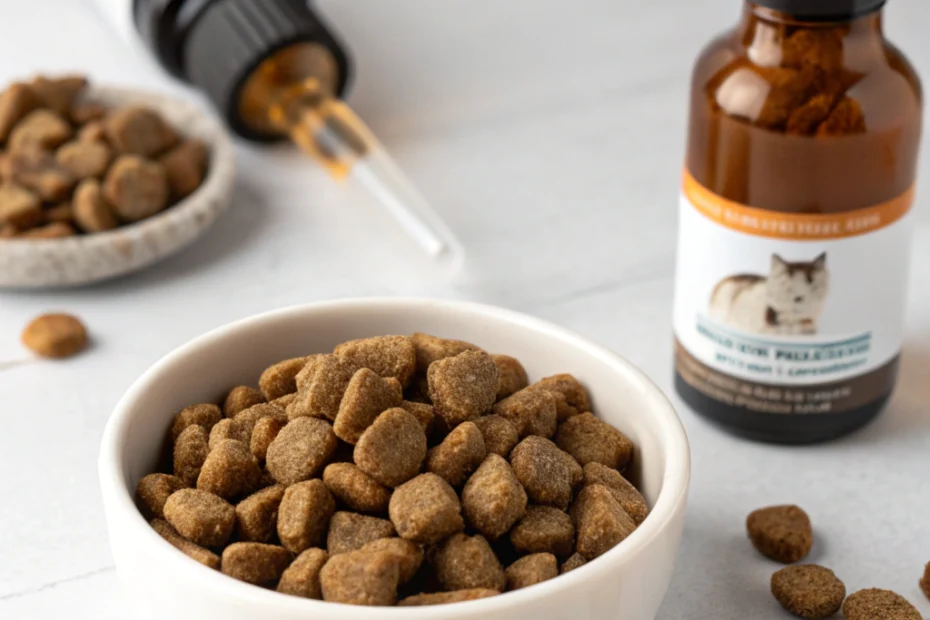
Hairballs are a common issue for many cat owners. They occur when your cat ingests hair during grooming, which then accumulates in the digestive tract. While occasional hairballs are normal, frequent occurrences can be uncomfortable for your cat and concerning for you. Choosing the best dry cat food for hairballs may help manage this issue by reducing the frequency of hairballs and supporting your cat’s overall digestive health.
How to Choose
When selecting the best dry cat food for hairballs, consider several factors. First, look for foods that are specifically formulated to address hairball issues. These products often contain higher fiber content, which can support the movement of hair through the digestive system.
Next, consider the quality of the ingredients. Foods with high-quality proteins, such as chicken or fish, can be beneficial. Additionally, look for foods that include omega fatty acids, as these can help maintain a healthy coat, potentially reducing shedding and the formation of hairballs.
It’s also important to consider your cat’s specific dietary needs. Some cats may have allergies or sensitivities, so choosing a food that aligns with their health requirements is crucial. Always consult with your veterinarian if you’re unsure about the best choice for your cat.
Safety & Setup
Introducing a new dry cat food to your pet should be done gradually to avoid digestive upset. Start by mixing a small amount of the new food with your cat’s current food, gradually increasing the new food over a week or two.
Monitor your cat for any adverse reactions, such as vomiting or diarrhea, which could indicate an intolerance or allergy. If you notice any concerning symptoms, consult your veterinarian promptly.
Core Pillars
The core pillars of managing hairballs with dry cat food include fiber content, ingredient quality, and nutritional balance. Fiber is essential as it helps move hair through the digestive tract, reducing the likelihood of hairball formation.
High-quality ingredients ensure that your cat receives the necessary nutrients without fillers that may contribute to digestive issues. A balanced diet supports overall health, which can indirectly reduce hairball problems.
Placement & Environment Tips
In addition to choosing the right food, consider your cat’s environment. Regular grooming can significantly reduce the amount of hair your cat ingests. Brush your cat frequently, especially during shedding seasons, to remove loose fur.
Ensure your cat has access to plenty of fresh water. Hydration is crucial for digestive health and can help prevent hairballs. Consider placing multiple water bowls around your home to encourage your cat to drink more.
Comparison with Alternatives
While dry cat food formulated for hairballs is a popular choice, there are other options to consider. Wet cat food can also be beneficial as it typically contains more moisture, which can aid in digestion.
Additionally, some owners opt for hairball remedies like gels or pastes that can be given alongside regular food. These products often contain lubricants that help hair pass through the digestive system more easily.
Each alternative has its pros and cons, and the best choice depends on your cat’s specific needs and preferences. Consulting with your veterinarian can provide guidance tailored to your cat’s health.
FAQs
What causes hairballs in cats?
Hairballs are caused by the ingestion of hair during grooming. Cats have tiny barbs on their tongues that catch loose hair, which they then swallow. Most hair passes through the digestive system, but some may accumulate and form a hairball.
How often should I feed my cat hairball control food?
Follow the feeding guidelines on the cat food packaging and adjust based on your cat’s weight, age, and activity level. It’s important to ensure your cat receives a balanced diet, so consult with your veterinarian for personalized advice.
Can hairballs be dangerous?
While occasional hairballs are normal, frequent or severe cases can lead to blockages, which may require veterinary intervention. If your cat is frequently vomiting or showing signs of distress, seek veterinary advice.
What to Do Next
Now that you have a better understanding of how to choose the best dry cat food for hairballs, consider observing your cat’s grooming habits and overall health. Regular grooming, a balanced diet, and proper hydration can all contribute to reducing hairball issues.
If you’re considering switching your cat’s food, start gradually and monitor for any changes in behavior or health. Always consult with your veterinarian to ensure the dietary changes align with your cat’s specific health needs.
Disclaimer: Always consult your veterinarian for personalized advice regarding your cat’s health.