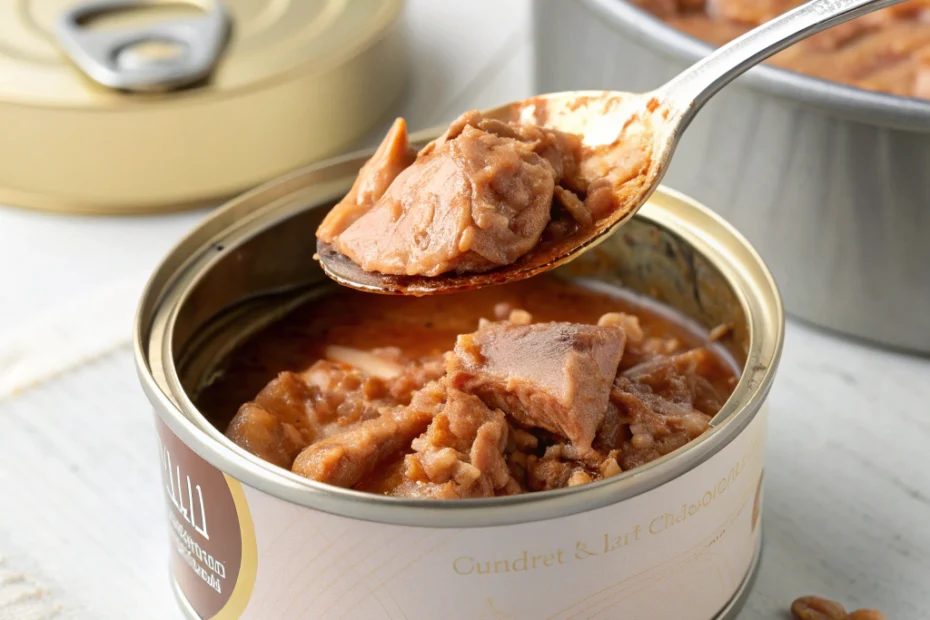
Does your cat often experience digestive discomfort? Finding the right wet cat food for sensitive stomach may help alleviate these issues. This guide will walk you through understanding your cat’s dietary needs and how to choose the best options available. By the end, you’ll have a clearer picture of how to support your feline friend’s health through informed food choices.
At-a-Glance
- Wet cat food may be easier to digest for cats with sensitive stomachs.
- Look for foods with limited ingredients to reduce potential allergens.
- Ensure the food meets nutritional standards for complete and balanced diets.
- Consider consulting with a veterinarian for personalized advice.
- Monitor your cat’s reaction to new foods and adjust as needed.
- Proper storage and serving can prevent spoilage and maintain quality.
- Transitioning gradually to new foods can help minimize digestive upset.
Why This Matters for Your Cat
Cats with sensitive stomachs may experience symptoms like vomiting, diarrhea, or loss of appetite. Choosing the right food can support their digestive health and overall well-being. Wet cat food, with its higher moisture content, can be gentler on the stomach and help prevent dehydration. Additionally, selecting a food specifically formulated for sensitive stomachs may reduce the risk of allergic reactions or intolerance.
How to Choose
When selecting a wet cat food for sensitive stomach, consider the following criteria:
- Ingredients: Opt for foods with limited ingredients and avoid common allergens like grains or artificial additives.
- Nutritional Balance: Ensure the food provides a complete and balanced diet, meeting AAFCO standards.
- Brand Reputation: Choose brands known for quality and transparency in their ingredient sourcing.
- Veterinary Recommendations: Consult your veterinarian for personalized advice based on your cat’s specific needs.
Safety & Setup
Ensuring the safety of your cat’s food involves proper storage and serving practices. Store wet food in a cool, dry place and refrigerate any unused portions promptly. Serve the food at room temperature to enhance palatability. Always check expiration dates and inspect the food for any signs of spoilage before serving. Gradually introduce new foods over a period of 7-10 days to help your cat adjust without digestive upset.
Core Pillars
Understanding Ingredients
Reading labels is crucial. Look for high-quality protein sources and avoid foods with fillers or artificial preservatives. Limited ingredient diets can help identify and eliminate potential allergens.
Moisture Content
Wet cat food naturally contains higher moisture levels, which can aid in digestion and hydration. This is particularly beneficial for cats with sensitive stomachs or those prone to urinary issues.
Nutritional Adequacy
Ensure the food meets the nutritional needs of your cat. AAFCO-approved foods provide a balanced diet, essential for maintaining your cat’s health.
Veterinary Guidance
Regular check-ups with your veterinarian can help monitor your cat’s health and dietary needs. They can provide tailored advice and recommend specific products.
Monitoring and Adjustment
Observe your cat’s reaction to new foods. If symptoms persist or worsen, consult your veterinarian to reassess your cat’s diet.
Placement & Environment Tips
Serve your cat’s food in a quiet, comfortable area to reduce stress during mealtime. Ensure the feeding area is clean and free from distractions. If you have multiple cats, consider separate feeding stations to prevent competition and ensure each cat eats at their own pace.
Common Mistakes to Avoid
- Sudden Diet Changes: Abruptly switching foods can cause digestive upset. Transition gradually.
- Ignoring Labels: Always read ingredient lists to avoid allergens and ensure nutritional adequacy.
- Overfeeding: Follow feeding guidelines to prevent obesity and related health issues.
- Inconsistent Feeding Times: Maintain a regular feeding schedule to support digestive health.
- Neglecting Veterinary Advice: Regular check-ups can provide valuable insights into your cat’s dietary needs.
Comparison with Alternatives
Compared to dry food, wet cat food offers higher moisture content, which can be beneficial for hydration and digestion. However, dry food may be more convenient for storage and feeding. Some cats may prefer the texture of dry food, while others benefit from the palatability of wet food. Ultimately, the choice depends on your cat’s specific needs and preferences.
Tips & Alternative Methods
If your cat doesn’t take well to wet food, consider mixing it with a small amount of their current diet to ease the transition. Homemade diets, prepared under veterinary guidance, can also be an option for cats with specific dietary needs. Always ensure any alternative methods meet the nutritional requirements of your cat.
FAQs
- What is the best way to introduce new food to my cat? Gradually mix the new food with the old over 7-10 days to minimize digestive upset.
- How can I tell if my cat has a sensitive stomach? Look for signs like vomiting, diarrhea, or changes in appetite and consult your veterinarian.
- Why is moisture content important in cat food? Higher moisture content can aid in digestion and prevent dehydration, especially in cats with sensitive stomachs.
- Can I make homemade food for my cat? Yes, but it should be done under veterinary guidance to ensure nutritional adequacy.
- How often should I feed my cat? Follow the feeding guidelines on the food package and adjust based on your cat’s activity level and weight.
What to Do Next
Now that you understand the importance of choosing the right wet cat food for sensitive stomach issues, consider evaluating your current feeding routine. Monitor your cat’s health and consult with your veterinarian to make informed decisions. Remember, a well-chosen diet can support your cat’s overall well-being and happiness.
Disclaimer: Always consult your veterinarian for personalized advice regarding your cat’s health.