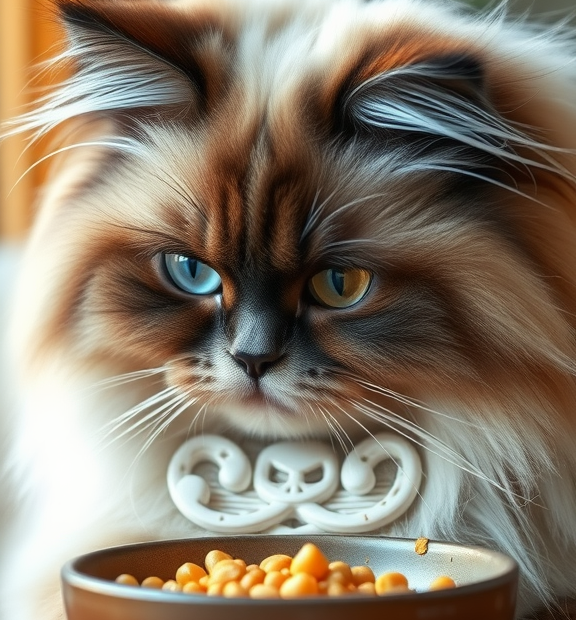
Common Feeding Problems in Ragdoll Cats and Practical Solutions
Understanding Feeding Challenges with Ragdoll Cats
Ragdoll cats are known for their gentle temperament and striking blue eyes, but they also have specific dietary needs and feeding behaviors that can cause issues if not carefully managed. Many owners find themselves facing common feeding problems that, if left untreated, could lead to health concerns or ongoing frustration around meal times. Recognizing these challenges early and understanding how to address them will help you keep your Ragdoll healthy and happy.
Ragdolls can be picky eaters or develop habits that interfere with proper nutrition. Some problems stem from their natural disposition, while others relate to the food choices, feeding environment, or even health problems. Here, we explore the most frequent feeding issues and practical solutions tailored to the needs of your special feline friend.
Why Ragdolls May Refuse to Eat or Have Poor Appetite
One of the most common complaints owners report is a loss of appetite or selective eating in Ragdolls. This breed tends to develop preferences for certain textures or flavors, making sudden changes in diet difficult to implement. Stress, illness, dental problems, or an unappealing feeding routine can also contribute.
To counteract poor appetite, try these approaches:
- Consistent Feeding Schedule: Establish regular feeding times to create a routine that your Ragdoll can rely on. Avoid leaving food out all day as free feeding may reduce hunger-driven eating.
- Warming the Food: Slightly warming wet food enhances aroma and can stimulate interest, especially for finicky cats.
- Check the Food Quality: Use high-quality, nutrient-rich formulas designed for Ragdolls, focusing on protein content to meet their carnivorous needs.
- Vet Consultation: If loss of appetite persists beyond 24-48 hours, or is accompanied by other symptoms, a veterinary check-up is vital to rule out illness.
Dealing with Overeating and Obesity Issues
While poor appetite is common, some Ragdoll cats tend to overeat when given unrestricted access to food, leading to obesity—a serious problem that affects joint health, cardiovascular condition, and overall quality of life.
To manage overeating, try these strategies:
- Portion Control: Measure your cat’s daily food intake according to veterinary guidelines rather than free feeding.
- Multiple Small Meals: Feeding smaller portions throughout the day can help regulate hunger and prevent binge eating.
- Use Puzzle Feeders: These encourage mental stimulation and slow down rapid eating, helping your cat feel satisfied with less food.
- Limit Treats: Avoid excessive treats and table scraps, as these add unnecessary calories.
Common Digestive Upsets and How to Ease Them
Digestive problems such as vomiting, diarrhea, or constipation may result from sudden diet changes, food intolerance, or ingredient sensitivity. Ragdolls may be particularly prone to gastrointestinal issues if their diet isn’t carefully balanced.
Tips for improving digestive health include:
- Gradual Food Changes: Introduce new diets slowly over 7–10 days to minimize disruption to your cat’s digestive system.
- Identify Food Allergies: Some Ragdolls react poorly to certain proteins or grains. Consider hypoallergenic diets or limited ingredient foods after consulting your vet.
- Maintain Hydration: Provide fresh water and consider wet food options to support digestion and prevent constipation.
- Regular Vet Reviews: Regular health assessments help detect and address underlying causes of digestive discomfort.
Preventing Feeding Aggression and Competition
Although Ragdolls are known for a calm disposition, feeding aggression can occasionally manifest if multiple pets compete over food. This stress can cause the Ragdoll to eat too quickly or become defensive.
To create a peaceful feeding environment:
- Separate Feeding Areas: Feed your cat in a quiet and secure space away from other pets.
- Monitor Meal Times: Supervise feeding if multiple cats are present to prevent disputes and stress buildup.
- Provide Adequate Portions: Ensure each pet receives appropriate food quantities to reduce competition.
Tips for Encouraging Healthy Feeding Habits in Your Ragdoll
Building positive feeding habits ensures your Ragdoll grows strong and maintains a healthy weight and attitude toward food. Follow these guidelines:
- Choose Balanced Diets: Focus on high-protein, low-carbohydrate foods formulated for indoor or large-breed cats like Ragdolls.
- Create Positive Associations: Use treats moderately during training and ensure meal times are calm and enjoyable.
- Regular Exercise: Combine feeding routine with play to control weight and improve overall health.
- Observe and Adapt: Watch your cat’s responses to their diet and be willing to adjust feeding plans with professional advice.
By understanding and addressing these common feeding problems, you can provide your Ragdoll a nutritious, enjoyable eating experience that supports their gentle temperament and keeps them thriving for years to come. Remember, patience and consistency are key when it comes to resolving feeding issues and maintaining your Ragdoll’s wellbeing.
Tips for Creating a Balanced Diet to Support Your Ragdoll Cat’s Health
Understanding the Nutritional Needs of Your Ragdoll Cat
Ragdoll cats are known for their calm and affectionate nature, but like all pets, they require a diet that meets their specific nutritional needs to stay healthy. Providing a balanced diet is essential for maintaining their shiny coats, muscular build, and overall vitality. Unlike some other cat breeds, Ragdolls can be prone to weight gain if overfed and under-exercised, so careful attention to their food intake is crucial.
These cats thrive on high-quality protein because they are obligate carnivores. This means their bodies are designed to use animal-based proteins for energy and muscle maintenance. Feeding your Ragdoll adequate protein supports lean muscle mass and keeps them active and playful.
Key Components of a Balanced Diet for Ragdolls
Balancing the right nutrients is key to supporting your Ragdoll’s health. Here are the primary dietary components to consider:
- Proteins: Look for cat foods where real meat, poultry, or fish is the first ingredient. Protein supports muscle development and tissue repair.
- Fats: Healthy fats provide essential fatty acids that promote a shiny coat and healthy skin. Omega-3 and Omega-6 fatty acids should be part of their food.
- Carbohydrates: While cats don’t rely heavily on carbs, some fiber is important for digestive health. Whole grains and vegetables can provide this fiber.
- Vitamins and Minerals: Vitamins like Vitamin A, B-complex, and minerals such as calcium and taurine are crucial for your cat’s immune system, vision, and heart health.
- Water: Hydration is often overlooked but vital. Wet food or fresh water should always be available to prevent urinary problems common in Ragdolls.
Choosing the Right Type of Food: Wet vs. Dry
Making choices between wet and dry food can be confusing, but both have benefits and drawbacks. Wet food typically contains more moisture, which helps keep your Ragdoll hydrated and supports kidney health. Dry food, on the other hand, is convenient, has a longer shelf-life, and can help with dental health by reducing plaque buildup.
Many owners find that a mix of both wet and dry food offers a balanced approach. The key is to maintain portion control and ensure the total calories match your cat’s activity level and age.
Managing Food Portions to Avoid Overeating
Ragdolls are prone to obesity if their diet isn’t carefully managed. Overweight cats face increased risks of diabetes, joint issues, and heart problems. To avoid this, always measure the amount of food offered, following feeding guidelines based on your cat’s weight and age. Feeding small, frequent meals instead of leaving food out all day can prevent overeating.
Supplements and Treats Wisely
While a balanced diet should provide most nutrients, certain supplements may benefit your Ragdoll, especially omega fatty acids supplements for skin and coat health. Use supplements only after consulting your veterinarian. When it comes to treats, choose healthy options, and give them sparingly to avoid unnecessary calorie intake.
Recognizing Dietary Issues and Adjusting Accordingly
Pay attention to how your cat responds to their diet. Signs of an unbalanced diet include:
- Excessive shedding or a dull coat
- Weight loss or gain outside a healthy range
- Digestive upset like diarrhea or constipation
- Low energy or lethargy
If you observe these signs, consider adjusting the diet or consulting your veterinarian for a tailored feeding plan. Every cat is different, and changes in age, health, or lifestyle may require diet modifications.
Feeding Tips for Ragdoll Cats at Different Life Stages
Kittens, adults, and senior Ragdolls all have unique nutritional requirements. For example:
- Kittens: Need higher protein and calorie intake to support rapid growth.
- Adults: Require maintenance levels of protein and balanced fats to stay healthy without gaining excess weight.
- Seniors: Often benefit from diets lower in calories but higher in fiber and joint-supporting nutrients.
Adjust your feeding routine as your Ragdoll ages to keep them in the best health.
Encouraging Healthy Eating Habits
Creating a calming, routine feeding environment helps your Ragdoll feel secure during meal times. Feed them in a quiet place without distractions. Avoid sudden diet changes, which can upset their digestive system. Instead, switch foods gradually over a week or more to allow adaptation.
Also, pay attention to your cat’s preferences. Some Ragdolls are picky eaters and may require trial and error before settling on the best food options.
Monitoring Weight and Overall Well-being
Regularly weigh your Ragdoll to ensure their diet keeps them in a healthy range. Use a gentle touch to feel the ribcage and waist area; you should be able to feel ribs easily without excess fat covering. A healthy Ragdoll will have an elegant, muscular frame without signs of obesity.
In combination with regular vet check-ups, these efforts will support a long, happy life for your beloved Ragdoll cat.
Conclusion
Feeding your Ragdoll cat comes with its own set of challenges, but understanding the common feeding problems and knowing how to address them can make a big difference in your cat’s health and happiness. Whether your Ragdoll is a picky eater, prone to overeating, or struggles with digestive issues, practical solutions like establishing a consistent feeding schedule, offering a variety of nutritious foods, and monitoring portion sizes go a long way.
Creating a balanced diet tailored to your Ragdoll’s unique needs ensures they get all the essential nutrients for a shiny coat, strong muscles, and overall vitality. Incorporate high-quality protein sources, moderate healthy fats, and the right mix of vitamins to keep their immune system strong. Always keep fresh water available and consult your veterinarian for guidance on any special dietary needs or allergies.
By paying close attention to your Ragdoll’s feeding habits and diet, you can prevent many common problems before they start. You’ll help your feline friend thrive, enjoy mealtime, and live a healthy, comfortable life. Remember, a happy Ragdoll is a well-fed Ragdoll, and the effort you put into solving feeding issues today will pay off in healthier, more energetic years to come.