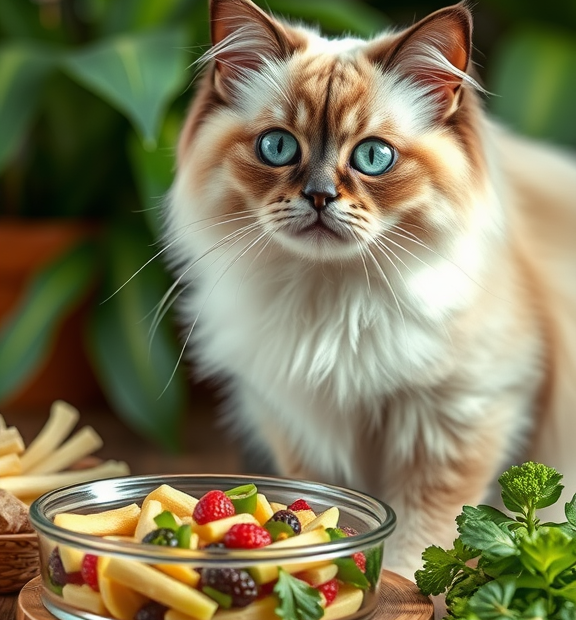
Crafting a Balanced Meal Plan Tailored to Your Ragdoll Cat’s Health Needs
Understanding the Unique Dietary Needs of a Ragdoll Cat
Ragdoll cats are known for their gentle nature and striking appearance, but they also have specific nutritional requirements that differ from other breeds. To ensure your Ragdoll stays healthy and vibrant, you need to create a meal plan that supports its unique needs. These cats tend to be larger and more laid-back, which means they may be prone to weight gain if their diet isn’t carefully managed.
Protein plays a vital role in maintaining a Ragdoll’s muscle mass and overall health. Unlike some other mammals, cats are obligate carnivores, meaning they depend on nutrients found primarily in animal tissue. A balanced meal plan should emphasize high-quality protein sources such as chicken, turkey, and fish. These ingredients provide essential amino acids like taurine, which cats cannot produce on their own but are crucial for heart health and vision.
Carbohydrates don’t form a large part of a cat’s diet, but small amounts from vegetables or grains can be included to offer fiber, which aids digestion. Still, too many carbs can lead to obesity and digestive issues, so it’s important to keep these ingredients minimal in your Ragdoll’s meals.
Key Nutrients to Include in Your Ragdoll’s Diet
Beyond protein and carbs, certain nutrients are fundamental to a Ragdoll’s well-being:
- Fats: Healthy fats supply energy and support skin and coat health. Omega-3 and omega-6 fatty acids, often found in fish oils, help keep your Ragdoll’s fur soft and shiny while reducing inflammation.
- Vitamins and Minerals: Vitamins like A, D, and E along with minerals such as calcium and phosphorus are essential for bone development and immune support.
- Water: Adequate hydration is critical. Since cats have a low thirst drive, wet food can be an excellent way to boost moisture intake.
Structuring Meals for Optimal Health
You can tailor your Ragdoll’s meal plan by combining commercial cat foods with homemade options that meet their nutritional demands. When selecting commercial foods, choose those labeled as “complete and balanced” by reputable pet food standards. These products are formulated to provide all necessary nutrients in the correct proportions.
If you prefer preparing homemade meals, consult with a veterinarian or a feline nutritionist to avoid nutrient imbalances. Raw or cooked meat diets should still include supplements to make up for any missing vitamins or minerals.
Most adult Ragdolls thrive on two to three meals per day, which helps regulate their metabolism and prevents overeating. Avoid free-feeding, as continuous food availability can promote obesity.
Special Considerations for Your Ragdoll’s Health
Some Ragdolls may develop health challenges like urinary tract issues or joint problems as they age. Adjusting their diet can ease these conditions:
- Urinary Health: Feeding a wet food diet and controlling mineral intake can help prevent crystal formation in the urinary tract.
- Weight Management: If your Ragdoll gains excess weight, shift to calorie-controlled foods and increase their activity levels.
- Joint Support: Supplements such as glucosamine and chondroitin, alongside omega fatty acids, may improve mobility.
Regularly monitoring your cat’s condition and adjusting their meals based on age, activity level, and health status is key. Your veterinarian can help you modify the meal plan as needed.
Introducing New Foods and Treats Safely
Transitions in diet should be gradual to avoid upsetting your Ragdoll’s digestive system. Start by mixing a small amount of the new food with their current meals, gradually increasing the new food portion over a week or two.
Treats are a great way to bond with your cat, but they should make up no more than 10% of the daily calorie intake. Opt for healthy, low-calorie treats specifically designed for cats, or small amounts of cooked lean meat.
Tips for Successful Meal Planning
- Consistency: Feeding at regular times helps regulate digestion and prevents begging behavior.
- Portion Control: Use measuring cups or a kitchen scale to serve precise amounts.
- Quality Ingredients: Avoid fillers, artificial additives, and by-products that may harm your cat’s health.
- Observation: Keep an eye on your cat’s weight, coat condition, and energy level to gauge whether the meal plan is effective.
Enhancing Your Ragdoll’s Dining Experience
Presentation matters to cats. Serving meals in clean, shallow dishes at a comfortable height encourages eating and reduces stress. Maintaining a quiet feeding area away from other pets creates a peaceful environment that your Ragdoll will appreciate.
A variety of textures and flavors in their meals keeps your pet interested and stimulated. This can include rotating different protein sources or mixing wet and dry foods.
Crafting the perfect meal plan for your Ragdoll cat requires attention to their specific nutritional needs, lifestyle, and health conditions. Focus on high-quality protein, balanced fats, and essential vitamins while monitoring portions and feeding routines. With thoughtful planning and care, you’ll support your Ragdoll’s health and happiness for many years to come.
Key Nutrients and Foods to Avoid for Maintaining Your Ragdoll Cat’s Well-being
Essential Nutrients for Optimal Ragdoll Cat Health
Ragdoll cats have unique nutritional needs that stem from their large size, silky coat, and gentle temperament. To keep your Ragdoll in peak condition, focusing on a balanced intake of key nutrients is crucial. Protein should form the foundation of their diet, as it supports muscle maintenance and overall vitality. Look for animal-based proteins such as chicken, turkey, or fish, which provide complete amino acids essential for feline well-being.
Fat plays a vital role in keeping your Ragdoll’s coat shiny and skin healthy. Omega-3 and Omega-6 fatty acids, often found in fish oils or flaxseed, also contribute to a robust immune system and reduce inflammation. Including fats in moderation enhances energy levels, supporting your cat’s playful nature.
Carbohydrates often take a backseat in feline nutrition but should not be entirely dismissed. Quality sources like sweet potatoes or pumpkin offer fiber that aids digestion and prevents constipation. However, avoid high carbohydrate content in their diet, especially grains like corn or wheat, as Ragdolls do not require significant carbohydrates and may have difficulty processing excessive amounts.
Vitamins and minerals are indispensable for sustaining your cat’s normal body functions. Vitamins A, D, and E support vision, bone health, and oxidative defense, while minerals like calcium and phosphorus are important for strong bones and teeth. Taurine, a specific amino acid, is critical for heart health and vision; it must always be included in your Ragdoll’s diet since cats cannot produce it on their own.
Foods That Can Harm Your Ragdoll’s Health
Even the most well-meaning pet owners can accidentally include foods that are harmful or toxic to their cats. Understanding what to avoid is just as important as knowing what to serve. Certain ingredients commonly found in human food or low-quality pet food can lead to health issues, from mild digestive upset to life-threatening conditions.
- Onions and Garlic: These contain compounds that damage red blood cells, leading to anemia.
- Chocolate: Contains theobromine, which is toxic to cats and can cause seizures or heart problems.
- Grapes and Raisins: Can cause kidney failure even in small amounts.
- Caffeinated Beverages: Cats are highly sensitive to caffeine, causing rapid breathing, heart palpitations, or tremors.
- Alcohol: Even small quantities can cause severe poisoning, impairing liver and brain functions.
- Raw Dough and Certain Raw Fish: Raw dough can expand in the stomach and lead to blockage, while some raw fish can deplete essential vitamins.
Avoid feeding your Ragdoll any food seasoned with salt, spices, or artificial sweeteners like xylitol, which can be dangerously toxic even in tiny amounts. Additionally, steer clear from dairy products, as many cats are lactose intolerant and might suffer digestive problems after consuming milk or cheese.
Building a Nutrient-Rich, Safe Meal Plan
Creating a meal plan that meets all of your Ragdoll’s nutritional needs while avoiding harmful foods requires carefully chosen ingredients and thoughtful preparation. Prioritize high-quality commercial cat foods that state clear ingredient lists tailored for indoor or large-breed cats. These often contain balanced amounts of protein, fat, and essential supplements.
If you prefer homemade meals, consult a veterinarian or feline nutritionist first. They can help you design recipes that include:
- Lean meats cooked thoroughly to kill bacteria
- Fish rich in omega fatty acids but free of bones
- Vegetables like cooked carrots or peas to provide fiber and vitamins
- Supplements for taurine, calcium, and necessary vitamins
Always introduce new foods gradually, observing for any allergic reactions or digestive disturbances. Portion control is also important to avoid obesity, which is common in Ragdolls if overfed or given too many treats.
Recognizing Signs of Nutritional Imbalance in Ragdolls
Early detection of nutritional issues can prevent long-term health consequences. Be alert to symptoms such as patchy fur, excessive shedding, weight loss or gain, lethargy, vomiting, diarrhea, or unusual behavior changes. These may suggest vitamin deficiencies, protein imbalances, or exposure to toxic foods.
Regular veterinary check-ups, including blood tests, can help monitor your cat’s nutritional status and overall health. Such proactive care allows timely adjustments to diet, ensuring your furry friend enjoys a happy and thriving life.
By prioritizing essential nutrients and eliminating harmful foods, you craft the foundation for your Ragdoll cat’s wellness. A well-balanced meal plan tailored specifically for your cat’s needs will keep their coat glossy, energy high, and health robust for years to come.
Conclusion
Creating a balanced meal plan for your Ragdoll cat is essential to supporting their unique health needs and ensuring a long, happy life. By carefully selecting nutrient-rich foods tailored to your cat’s specific requirements, you provide them with the fuel they need to thrive. Remember that proteins, fats, and essential vitamins play a vital role in maintaining your Ragdoll’s muscle tone, coat quality, and overall energy levels. Avoiding harmful foods like onions, garlic, and excessive dairy can prevent serious health problems and digestive upset.
When you prioritize these key nutrients and steer clear of dangerous ingredients, you build a strong foundation for your pet’s well-being. Paying close attention to portion size and feeding frequency also helps maintain an ideal weight, reducing the risk of obesity and related illnesses. Taking the time to customize meals based on your cat’s age, activity level, and any medical conditions further enhances their quality of life.
Ultimately, the perfect meal plan is one that reflects your commitment to understanding and meeting your Ragdoll’s individual needs. By combining knowledge with care, you create a daily routine that not only nourishes but also strengthens the bond you share with your feline friend. Your thoughtful approach to their diet ensures they stay vibrant, healthy, and full of the playful spirit that makes Ragdolls so lovable.