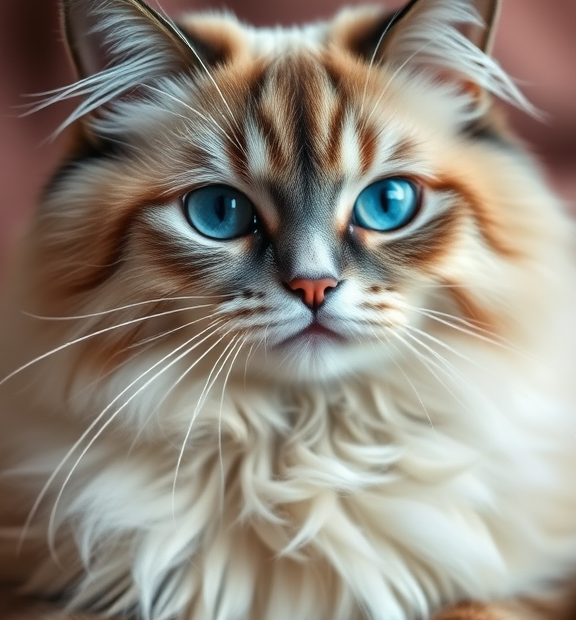
Common Diet Mistakes Ragdoll Cat Owners Make and Practical Tips to Avoid Them
Understanding the Unique Dietary Needs of Ragdoll Cats
Ragdoll cats are known for their gentle nature and striking appearance, but their diet requires special attention. Many owners unknowingly make mistakes in feeding that can affect their pet’s health and well-being. Tailoring the diet of your Ragdoll cat is essential because this breed has specific nutritional needs to maintain its muscular build, soft coat, and overall vitality.
Feeding Ragdolls an Unbalanced Diet
One common error is offering a diet that doesn’t meet the high protein requirements of Ragdoll cats. As obligate carnivores, they thrive on diets rich in animal protein. When owners provide too many carbohydrates or low-quality protein sources, it can lead to slow weight gain, muscle loss, or lethargy. Make sure to choose cat food that lists real meat, such as chicken, turkey, or fish, as the first ingredient.
Relying Too Much on Dry Food
Many Ragdoll owners favor dry kibble due to convenience and cost, but relying exclusively on dry food can cause dehydration and urinary tract problems. Ragdolls, like all cats, don’t naturally drink enough water, and dry food contains low moisture. wet food or adding water to meals can help maintain hydration and support urinary tract health.
Ignoring Portion Control and Obesity Risks
Ragdolls are prone to weight gain if overfed, especially since their calm temperament doesn’t encourage high activity levels. Overfeeding treats, table scraps, or excessive kibble can lead to obesity, which strains joints and can cause diabetes. Use feeding guidelines on cat food packaging as a starting point, and adjust based on your cat’s activity level and body condition. Weighing your cat regularly helps track any weight changes early.
Skipping Regular Feeding Schedules
Irregular feeding times can confuse your Ragdoll’s digestion and cause overeating when food finally arrives. Cats thrive with consistent routines. Feeding your cat at the same times every day stabilizes metabolism and reduces begging behavior. Two or three small meals daily are ideal to keep energy levels steady and control hunger.
Not Accounting for Age and Health Conditions
A growing kitten, an adult cat, and a senior Ragdoll have very different dietary needs. Kittenhood requires nutrient-rich food with higher calories to support growth, while older cats benefit from diets tailored to kidney health or weight management. Additionally, health problems like food allergies or digestive issues require specific adjustments to diet.
Practical Tips to Support Your Ragdoll’s Diet
- Choose High-Quality Protein Foods: Opt for premium cat foods with named animal proteins and minimal fillers.
- Mix Wet and Dry Food: Incorporate canned food to increase moisture and improve palatability.
- Establish Consistent Feeding Times: Schedule regular meals and avoid free-feeding to manage portions.
- Limit Treats and Table Scraps: Treats should be less than 10% of daily calorie intake, and refrain from human food that can upset digestion.
- Adjust Diet by Life Stage: Use foods specially formulated for kittens, adults, or seniors accordingly.
- Monitor Body Condition: Regularly check that your cat is neither overweight nor underweight, consulting your vet if unsure.
- Hydrate Properly: Provide fresh water at all times and consider pet fountains to encourage drinking.
Recognizing Signs You Need to Reassess Your Cat’s Diet
Pay close attention to your Ragdoll’s coat, energy levels, and weight. A dull coat, visible ribs, or persistent lethargy might mean your cat isn’t getting adequate nutrients. Conversely, a distended belly or difficulty moving could signal overweight or digestive issues. When you notice such signs, it’s crucial to consult a veterinarian or a feline nutritionist to revise your cat’s feeding plan.
Why Avoiding These Common Diet Mistakes Matters
Making sound diet choices helps preserve your Ragdoll’s health for years to come. Proper nutrition supports immune function, keeps the coat shiny and soft, and prevents chronic conditions linked to poor diet such as diabetes or urinary tract infections. By avoiding common diet mistakes, you enhance your cat’s quality of life and deepen the rewarding bond you share.
Taking the time to understand and meet your Ragdoll’s dietary needs shows that you’re invested in its happiness and longevity. With simple adjustments and attention to detail in feeding habits, you can confidently provide the foundation for a healthy, vibrant feline companion.
Crafting the Perfect Nutritional Plan for Your Ragdoll Cat’s Health and Happiness
Your Ragdoll cat is not just a pet; they’re a gentle companion who relies on you to make thoughtful choices about their diet. Crafting the perfect nutritional plan for your Ragdoll involves understanding their unique needs and avoiding common pitfalls that could affect their health and happiness. This guide will walk you through key aspects of feeding your Ragdoll with care, focusing on quality, balance, and consistency.
Understanding Ragdoll Cats’ Dietary Needs
Ragdolls have a medium-to-large build with a calm demeanor and moderate activity levels. Their diet must support their muscle development, maintain a healthy weight, and keep their coat shiny and soft. Protein plays a vital role because cats are obligate carnivores, meaning their bodies need animal-based protein to thrive. Fat is also essential as it provides energy and supports brain function.
When formulating your Ragdoll’s nutritional plan, aim for a diet rich in:
- High-quality animal protein sources (like chicken, turkey, or fish)
- Healthy fats (such as omega-3 and omega-6 fatty acids)
- Essential vitamins and minerals tailored for feline health
- Limited carbohydrates, as cats have a low dietary carbohydrate requirement
Common Diet Mistakes and How to Avoid Them
Relying Too Heavily on Dry Food
Many Ragdoll cat owners opt for dry kibble because it’s convenient and shelf-stable. However, over-relying on dry food can lead to dehydration and urinary tract problems since it contains less moisture than wet food. Ragdolls are especially prone to kidney and bladder issues, so including wet food or encouraging water intake is crucial.
To avoid this mistake: Incorporate wet or canned food into your Ragdoll’s meals at least once a day. This helps maintain hydration while providing balanced nutrition.
Ignoring Specific Life Stage Needs
Kittens, adult cats, and seniors all have different nutritional requirements. Feeding a kitten adult cat food, or vice versa, can cause developmental issues or insufficient nutrient intake. For example, kittens need a diet high in calories, protein, and fat to support growth, while senior cats might require fewer calories but more joint-supporting nutrients.
Tip: Purchase age-appropriate cat food specifically labeled for kittens, adults, or seniors to meet your Ragdoll’s evolving needs.
Feeding Human Food or Unsafe Treats
While it’s tempting to share your food with your furry friend, many human foods can be harmful or toxic to cats. Items like onions, garlic, chocolate, and grapes should never be part of your Ragdoll’s diet. Additionally, treats high in sugar or artificial ingredients can cause digestive upset and weight gain.
Solution: Use only cat-safe treats or special Ragdoll cat treats designed for their health. These can help with training and bonding without risking toxicity or obesity.
Free-Feeding Without Portion Control
Allowing your Ragdoll to nibble freely on food throughout the day may sound convenient, but it often leads to overeating and undesirable weight gain. Ragdolls are prone to obesity if their calorie intake exceeds their activity level. Obesity can cause joint stress, diabetes, and reduced lifespan.
Better approach: Establish regular feeding times with measured portions based on your vet’s recommendations. Monitor your cat’s body condition regularly to adjust portions accordingly.
Creating a Balanced Meal Plan
Start by consulting your veterinarian to get personalized feeding guidelines. Consider the following steps:
- Choose high-quality commercial diets: Select premium brands formulated to meet AAFCO standards. These provide balanced nutrition without guesswork.
- Include a mix of wet and dry foods: Wet food helps maintain hydration, while dry food can aid dental health. Balance them wisely.
- Monitor treats: Keep treats under 10% of the daily caloric intake to avoid weight gain.
- Hydration is key: Always provide fresh water and consider adding water fountains to encourage drinking.
- Regular vet check-ups: Evaluate your Ragdoll’s weight and health across seasons and life stages.
Additional Nutritional Tips for Ragdoll Owners
- Supplement Smartly: If your cat’s diet lacks certain nutrients, supplements like taurine, fish oil, or probiotics can support overall health but should only be added after vet approval.
- Watch for Allergies or Sensitivities: Signs such as itching, vomiting, or diarrhea can indicate food intolerance. Switching to limited ingredient or grain-free formulas might help.
- Be Consistent: Sudden diet changes can upset your cat’s digestive system. Transition slowly over 7-10 days when trying new foods.
By paying attention to these details in your Ragdoll cat’s nutritional plan, you ensure their health and happiness flourish. A well-fed Ragdoll will reward you with their affectionate nature and iconic laid-back charm, proving that good nutrition truly makes a difference.
Conclusion
Feeding your Ragdoll cat the right diet plays a crucial role in their overall health and happiness. Avoiding common diet mistakes—such as overfeeding, relying too heavily on dry kibble, or neglecting the cat’s specific nutritional needs—can prevent issues like obesity, digestive upset, and nutrient imbalances. By understanding these pitfalls and implementing practical tips, you set your Ragdoll on a path toward a longer, healthier life.
Creating a tailored nutritional plan for your Ragdoll means focusing on balanced, high-quality protein sources, essential vitamins, and proper hydration. You can enhance their well-being by choosing formulas designed specifically for their breed’s needs, monitoring portion sizes carefully, and incorporating wet food or fresh elements to keep their diet varied and enticing. Remember, every Ragdoll is unique, so adjusting their diet as they age or their lifestyle changes is part of responsible pet care.
You hold the key to your Ragdoll’s vitality with smart dietary choices. By steering clear of common mistakes and crafting a personalized feeding routine, you’ll help maintain their silky coat, healthy weight, and joyful personality. Your attentive approach to nutrition makes all the difference in ensuring your gentle giant lives a happy and vibrant life by your side.