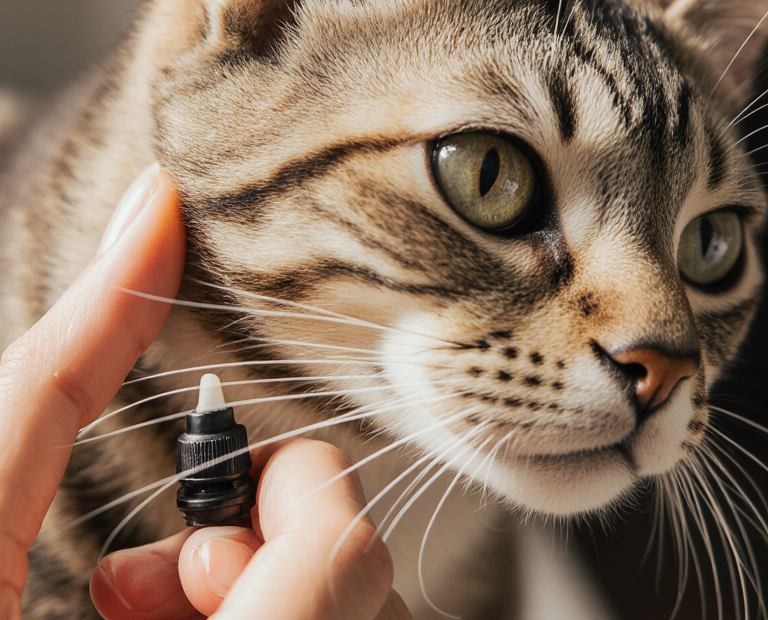
Effective Ear Mite Treatment Options for Pets
Ear mites are a common issue for pets, especially cats and dogs. They are tiny parasites that infest the ear canal, causing discomfort and irritation. If you notice your pet shaking their head, scratching at their ears, or producing dark waxy discharge, it’s essential to act quickly. Here are some effective treatment options to help your furry friend get relief from these pesky mites.
Identifying Ear Mites
Before starting treatment, it’s crucial to confirm the presence of ear mites. Symptoms can include:
- Intense scratching or shaking of the head
- Dark, waxy debris in the ears
- Foul odor from the ear
- Inflammation or redness in the ear canal
If you suspect your pet has ear mites, a visit to the veterinarian for a proper diagnosis is a good first step. They may perform a simple ear exam or take a sample of the debris for analysis.
Over-the-Counter Treatments
Several over-the-counter treatments are available for ear mite infestations. Here are a few options:
- Ear mite drops: These medicated drops contain insecticides that target ear mites. Apply them as instructed on the packaging, usually once or twice daily for a week.
- Ear cleaning solutions: Keeping your pet’s ears clean can help remove debris and excess wax that might be harboring mites. Use a gentle cleaning solution specifically designed for pets and follow the usage instructions.
- Topical treatments: Available in formulations that are absorbed through the skin, these treatments kill mites and help alleviate inflammation in the affected area.
Prescription Medications
If over-the-counter treatments are not effective, your veterinarian may prescribe stronger medications. These could include:
- Antiparasitic ear drops: These contain potent ingredients that can kill mites quickly and provide relief from symptoms.
- Oral medications: In severe cases, your vet may recommend oral medications that not only target mites but also reduce itching and inflammation.
Always ensure that you follow your veterinarian’s instructions regarding dosages and duration of treatment. Never use human medications on pets without consulting a vet first, as some can be toxic to animals.
Home Remedies for Ear Mites
Some pet owners consider natural approaches to treating ear mites. While these remedies can sometimes be helpful, they should not replace veterinary care. Here are a few options:
- Warm olive oil: A few drops of warm olive oil can help soothe your pet’s ear canal and may help dislodge and drown the mites.
- Apple cider vinegar: Mixed with equal parts of water, apple cider vinegar can help balance the ear’s pH levels and may reduce the presence of ear mites. However, avoid this if your pet has any wounds in their ear.
- Essential oils: Certain essential oils, like tea tree oil, have antifungal and antibacterial properties. Dilute them appropriately before using and consult with your vet to ensure they are safe for your pet.
Preventing Future Infestations
Once you’ve treated your pet for ear mites, taking steps to prevent future infestations is essential. Consider these tips:
- Regular grooming and cleaning of the ears can prevent build-up and maintain ear health.
- Limiting your pet’s exposure to other animals known to have ear mites can reduce the risk of re-infestation.
- Keep your pet’s environment clean by vacuuming and washing bedding regularly.
With prompt treatment and preventive care, you can help your pet remain ear mite-free and comfortable. If you have concerns or if symptoms persist, don’t hesitate to reach out to your veterinarian for further assistance.
Recognizing the Signs of Ear Mite Infestation in Animals
Ear mites can be a pesky and uncomfortable issue for pets, particularly cats and dogs. Recognizing the signs of an ear mite infestation early on is essential to ensure your furry friend receives the proper treatment. Understanding the symptoms not only helps in swift intervention but also prevents further complications or infections.
One of the first signs you might notice is excessive scratching or rubbing of the ears. Your pet may use their paws to scratch at their ears frequently or rub them against furniture, flooring, or your hand. This behavior indicates discomfort and can lead to irritation or injuries. Additionally, if your pet is suddenly behaving restlessly or is more anxious than usual, it might be an indication of ear problems as well.
Another prominent sign of ear mites is the presence of a dark, waxy substance in your pet’s ears. This substance often resembles coffee grounds and is a mix of ear wax, dirt, and the mites themselves. If you shine a light into your pet’s ear and notice this dark debris, it’s a strong sign that an infestation may be present.
Smell can also play a part in identifying ear mites. If your pet’s ears have an unusual, foul odor, it may indicate an underlying infection caused by the irritation from the mites. The odor can be quite pungent and is often described as musty or rancid. Pay attention to how strong the smell is and consider seeking veterinary advice if you notice it.
Additionally, you should keep an eye out for any signs of inflammation or redness in the ear canal. If your pet’s ears appear swollen or are noticeably red, this can be a sign that their body is reacting to the ear mites. This inflammation can lead to even more discomfort and possible infection if not treated promptly.
Your pet might also exhibit unusual behaviors, like shaking their head frequently or tilting it to one side. This behavior can indicate discomfort within the ear and its structures. If you observe that your pet is shaking their head excessively, it is a clear signal that they require a veterinary examination.
A good way to check for ear mites is to gently lift your pet’s ear and examine it closely. Look for any signs of irritation, inflammation, or visible insects. Using cotton balls, you can also carefully clean around the ear to check for debris or mites without pressing deep into the ear canal. Be cautious and do not insert anything deep into the ear, as this can cause more harm than good.
If your pet is prone to ear infections or has had ear mites previously, it’s vital to monitor them closely for any symptoms. Regularly checking their ears—cleansing them safely and routinely—can help maintain their ear health and prevent infestations from escalating. If an infestation is confirmed, it’s vital to seek professional treatment as ear mites are contagious between animals.
Keeping an eye out for the following symptoms can help you recognize ear mite infestations early:
- Excessive scratching or rubbing at the ears
- Dark, waxy discharge resembling coffee grounds
- Unpleasant odor from the ears
- Redness or inflammation in the ear canal
- Frequent head shaking or tilting
- Signs of discomfort or changes in behavior
Being proactive is the best strategy when it comes to your pet’s health. If you notice any of these signs, consult your veterinarian for a definitive diagnosis and appropriate treatment. Timely attention can relieve your pet’s discomfort and lead to a healthier, more enjoyable life for both you and your furry friend.
Conclusion
When it comes to ear mite treatment, timely action can make a significant difference in your pet’s well-being. Recognizing the early signs of ear mite infestation—such as excessive scratching, head shaking, or unusual ear discharge—can help you act promptly. If you notice any of these symptoms, it’s essential to consult your veterinarian. They can confirm the presence of ear mites through examinations and recommend the most effective treatment options tailored to your pet’s needs.
There are several effective treatments available, including topical ointments, oral medications, and specialized ear cleansers. Each option has its benefits, and your vet can guide you in choosing the right method. Remember, treating ear mites not only alleviates your pet’s discomfort but also prevents further complications like infections or more severe skin issues.
Maintaining a clean environment is also crucial in preventing reinfestation. Regular grooming and cleaning of your pet’s ears, along with keeping their living space free of allergens and irritants, can make a substantial difference in their overall health.
Don’t forget, the best approach combines vigilance and proactive care. By understanding both the signs of ear mite infestation and the available treatment options, you empower yourself to ensure your furry friend remains comfortable and healthy. Your attentive care can prevent ear mites from becoming a recurring issue, allowing your pet to enjoy a happy, itch-free life.