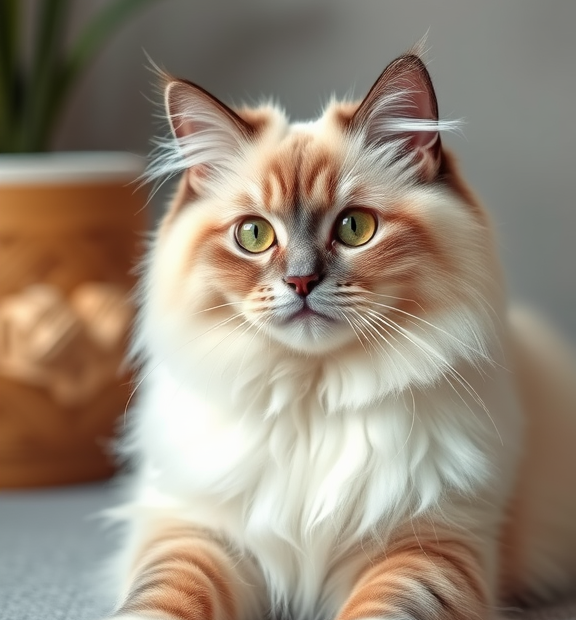
Essential Diet Tips for Healthy Ragdoll Cats That Every Owner Should Know
Understanding the Unique Nutritional Needs of Ragdoll Cats
Ragdoll cats are known for their gentle temperament and striking blue eyes, but to keep them thriving, paying special attention to their diet is key. Unlike some other breeds, ragdolls have specific nutritional requirements that support their muscular build, plush coats, and overall health. Providing your ragdoll with the right balance of nutrients helps maintain their weight, energy levels, and longevity.
One critical aspect to consider is that ragdoll cats tend to be less active indoors, which means their caloric intake should be carefully managed to avoid obesity. Overfeeding or giving too many high-calorie treats can lead to weight gain, putting extra strain on their joints and increasing the risk of diabetes. Furthermore, ragdolls have a sensitive digestive system, necessitating a diet rich in easily digestible proteins and limited fillers.
Key Nutrients That Support Ragdoll Health
When selecting food for your ragdoll, focus on high-quality sources that deliver these essential nutrients:
- Protein: As obligate carnivores, ragdolls need protein primarily from animal sources like chicken, turkey, or fish. Protein helps build strong muscles and supports immune function.
- Fatty Acids: Omega-3 and Omega-6 fatty acids contribute to a soft, shiny coat and healthy skin. They also play a role in reducing inflammation.
- Taurine: This essential amino acid is crucial for heart health and vision, making it a must-have in any cat food for ragdolls.
- Vitamins and Minerals: Balanced amounts of calcium, phosphorus, and vitamins A, D, and E ensure strong bones and a robust immune system.
Choosing the Right Type of Food for Your Ragdoll
Deciding between dry kibble, wet canned food, or a combination can impact your ragdoll’s health. Many owners find that offering a mix helps keep their cat hydrated and interested in meals. Wet food is beneficial because it contains higher moisture content, which aids kidney health and keeps the urinary tract healthy—important considerations given ragdolls’ susceptibility to urinary issues.
If you opt for dry food, choose brands that list whole meats as the first ingredient and avoid products with excessive fillers, artificial colors, or preservatives. Reading the ingredient list carefully ensures you avoid subpar nutrition that could harm your cat’s health over time.
Feeding Frequency and Portion Control
Ragdolls typically do well with two to three small meals per day rather than free-feeding. This schedule helps prevent overeating and keeps your cat at an ideal weight. Measure each portion carefully based on your ragdoll’s age, weight, and activity level. Regularly monitoring body condition and adjusting portions can help avoid obesity, which is a common issue in indoor ragdolls.
Remember that treats should only make up a small part of the diet—no more than 5 to 10 percent of daily calories. Use treats as rewards during playtime or training rather than regular snacks to maintain a balanced diet.
Supplements and Special Diet Considerations
Although most ragdoll cats can get all their nutrients from a well-balanced diet, there are times when supplements can be beneficial. Fish oil supplements rich in Omega-3s can support coat health and reduce inflammation, especially if your cat has dry skin or joint concerns.
If your ragdoll has any special health issues, such as allergies or kidney concerns, consult your veterinarian about prescription diets or customized feeding plans. Avoid giving human foods, as they can contain ingredients harmful to cats, like onions, garlic, or chocolate.
Hydration Tips for Ragdoll Cat Owners
Proper hydration is vital for maintaining a ragdoll’s kidney and urinary tract health. Offer fresh water daily and encourage drinking by placing water bowls in accessible, quiet areas of your home. Some cats prefer running water, so investing in a cat water fountain might increase their fluid intake.
Including wet food in your ragdoll’s diet also boosts hydration, which helps reduce the risk of urinary tract infections and crystals—a problem some ragdolls face if they are not well-hydrated.
What to Avoid Feeding Your Ragdoll
Certain foods and feeding habits can negatively affect your ragdoll’s health. Avoid these common pitfalls:
- Overfeeding: Extra calories lead to weight gain, increasing risks for diabetes and joint stress.
- Human Food Scraps: Many human foods are toxic to cats or disrupt their digestive system.
- Low-Quality Pet Foods: Products with fillers and artificial additives do not meet a ragdoll’s nutritional needs.
- Excess Dairy: Many cats are lactose intolerant, so milk and cheese can cause stomach upset.
By steering clear of these dangers and focusing on nutritious, species-appropriate foods, you will keep your ragdoll cat happy and healthy.
Monitoring Your Ragdoll’s Diet for Long-Term Wellness
Regular veterinary checkups help assess your ragdoll’s weight, overall health, and nutritional status. Adjustments to diet might be necessary as your cat ages or if health problems arise. Paying attention to your cat’s coat condition, energy levels, and litter box habits can provide clues about how well their diet is working.
By combining quality nutrition, hydration, and portion control, you can give your ragdoll a foundation for a long, healthy life full of playful moments and affection.
Common Nutritional Challenges and How to Overcome Them for Ragdoll Cats
Ragdoll cats are beloved for their gentle temperament and striking appearance, but caring for them involves more than just affection. One of the critical aspects every owner should pay close attention to is their nutritional health. Like all pets, Ragdolls can face specific dietary challenges that need careful management to ensure they live a long, vibrant life. Let’s explore some of the most common nutritional hurdles these cats face and how you can successfully overcome them.
Understanding Ragdoll Nutritional Needs
Ragdolls have unique dietary requirements due to their size, activity levels, and predisposition to certain health issues. Being a large and semi-longhaired breed, they require a balanced diet rich in high-quality proteins and essential nutrients to support their muscle mass and coat condition. However, despite the best intentions, several nutritional obstacles can arise, impacting their health.
Common Challenges in Ragdoll Diets
1. Obesity and Weight Management
One of the frequent challenges Ragdoll owners encounter is managing their cat’s weight. Ragdolls tend to be less active than other breeds, making them prone to obesity if their diet is not monitored carefully. Excess weight can lead to serious health conditions such as diabetes, joint problems, and heart disease.
How to overcome:
- Measure food portions carefully and avoid free feeding.
- Choose foods with moderate calories but high protein content to encourage lean muscle.
- Incorporate regular playtime and exercise to help burn calories.
2. Sensitive Digestion
Ragdolls can sometimes experience gastrointestinal sensitivities, which might result in diarrhea, vomiting, or general discomfort. This could be attributed to food intolerances or allergies, often linked to ingredients like grains or certain proteins.
How to overcome:
- Opt for grain-free or limited ingredient diets specially formulated for sensitive stomachs.
- Introduce new foods gradually to monitor any adverse reactions.
- Consult your veterinarian if digestive issues persist for testing or dietary adjustments.
3. Nutrient Imbalances
Feeding an unbalanced homemade diet or inconsistent commercial food can lead to nutrient gaps, which may negatively affect your Ragdoll’s immune system, skin, and coat health. Key nutrients like taurine, omega fatty acids, and vitamins must be adequately supplied.
How to overcome:
- Choose high-quality commercial cat foods labeled as complete and balanced, tailored to your cat’s life stage.
- If you prefer home-cooked meals, work with a veterinary nutritionist to ensure all nutrient needs are met.
- Use supplements only under professional guidance to avoid overdosing certain nutrients.
4. Hydration Issues
Ragdolls, like many cats, may not drink enough water on their own, leading to dehydration or urinary tract problems. Cats in general often gain fluids from their food, but relying solely on dry kibble can increase the risk of urinary tract disease.
How to overcome:
- Incorporate wet or canned food into their diet to promote better hydration.
- Keep fresh water available at all times, and encourage drinking by using water fountains or placing multiple bowls around the home.
- Monitor for signs of dehydration or urinary issues, such as frequent urination, blood in urine, or lethargy, and seek vet care promptly.
Tips to Support Your Ragdoll’s Nutritional Health
Addressing these challenges involves a proactive approach and keen observation. Here are additional practical tips to enhance your Ragdoll’s diet management:
- Regular Vet Check-ups: Schedule routine veterinary visits to monitor weight, dental health, and any signs of nutrient deficiencies or health concerns.
- Consistent Feeding Schedule: Maintain regular feeding times instead of leaving food out all day, which helps with portion control and digestion.
- Quality Over Quantity: Invest in premium cat food brands known for using wholesome ingredients and balanced nutrition.
- Watch Food Labels: Avoid foods containing fillers, artificial preservatives, flavorings, and excessive carbohydrates which do not benefit feline health.
- Introduce Variety Gradually: If transitioning your Ragdoll to new food, do it slowly over a week or more to prevent gastrointestinal upset.
The Role of Proteins and Fats in Ragdoll Diets
High-quality animal proteins are vital as Ragdolls rely on protein for muscle development and energy. Proteins such as chicken, turkey, fish, or lamb should be main ingredients in their meals. Fats, especially omega-3 and omega-6 fatty acids, promote a shiny coat and healthy skin, which is essential for a breed known for its luxurious fur.
Ensure the diet maintains a balance between proteins and fats, as too much fat without adequate protein can lead to poor muscle tone and weight gain. Meanwhile, a diet low in fats can cause dry skin and increase shedding. Supplements like fish oil can be beneficial but should be used sparingly and with expert advice.
Final Thoughts on Overcoming Ragdoll Cat Nutritional Challenges
Caring for a Ragdoll cat’s diet requires attention, patience, and informed decision-making. Understanding common nutritional challenges—ranging from obesity and sensitive digestion to hydration and nutrient balance—empowers you as an owner to provide optimal care. By supplying balanced, high-quality food and maintaining healthy feeding habits, your Ragdoll can thrive physically and emotionally.
Remember, each Ragdoll is unique. Regularly observe your cat’s behavior, weight, and overall health. Collaborate with your veterinarian to adjust their diet as needed. By addressing nutrition thoughtfully, you’re not just feeding your Ragdoll—you’re nurturing a happy, healthy companion for years to come.
Conclusion
Providing your Ragdoll cat with the right diet plays a vital role in keeping them healthy, happy, and full of energy. By focusing on essential diet tips tailored specifically for Ragdoll cats, you can meet their unique nutritional needs and support their beautiful coat, muscular build, and calm temperament. Understanding their dietary requirements helps you choose balanced meals rich in high-quality proteins, moderate fats, and essential vitamins and minerals that promote overall well-being.
Ragdolls can face common nutritional challenges, such as food sensitivities, weight gain, or picky eating habits. Addressing these issues early with proper food selection and portion control ensures your cat maintains a healthy weight and avoids digestive problems. Switching gradually between foods, incorporating wet and dry varieties, and consulting with your veterinarian about supplements or specialized diets can resolve many hurdles.
Every Ragdoll owner has the power to make informed decisions that enhance their cat’s quality of life through smart nutrition. Feeding with care and attention supports your feline’s longevity and vitality. Remember, your cat’s diet is not one-size-fits-all; understanding their individual needs and addressing challenges with patience will lead to a healthy, thriving companion. By keeping these essential diet tips and nutritional challenges in mind, you ensure that your Ragdoll continues to flourish for years to come.