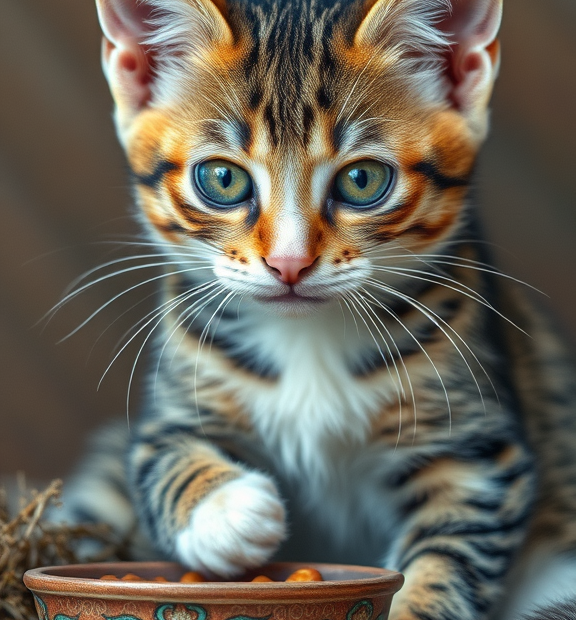
Overcoming Farmers Cat Food Kitten Feeding Challenges: Essential Strategies for Healthy Growth
Feeding kittens is a crucial responsibility for farmers and pet owners alike. Young felines require special attention to their diet to ensure optimal growth and development. However, encountering feeding challenges is common. Let’s explore some essential strategies to overcome these hurdles and promote healthy growth in your kittens.
Understanding Nutritional Needs
Kittens have unique dietary requirements that set them apart from adult cats. Feeding them the right food is paramount. Here are key nutritional aspects to consider:
- High Protein Levels: Kittens need protein to support their rapid growth. Look for kitten food with real meat as the first ingredient.
- Essential Fatty Acids: DHA and arachidonic acid are crucial for brain development. These can be found in high-quality kitten foods.
- Vitamins and Minerals: Vitamins A, D, and E, along with calcium and phosphorus, are vital for strong bones and teeth.
Choosing the Right Cat Food
Not all cat food is created equal. When selecting a kitten formula, consider the following:
- Life Stage Formulation: Ensure the food is specifically for kittens, as adult formulas may lack the necessary nutrients.
- Wet vs. Dry Food: Both have benefits; wet food provides hydration, while dry food promotes dental health.
- Brand Reputation: Stick to reputable brands that are known for using quality ingredients.
Establishing a Feeding Routine
Creating a consistent feeding schedule helps kittens adapt to mealtime. Here are some tips:
- Regular Meal Times: Feed your kittens 3-4 times a day. Consistency helps regulate their digestion.
- Portion Control: Follow recommended serving sizes on the food package to avoid overfeeding.
- Use Feeding Stations: Designate a clean and quiet area for feeding to reduce stress during mealtimes.
Addressing Picky Eaters
Some kittens can be finicky when it comes to food. Here are strategies to tackle this challenge:
- Variety: Introduce different flavors and textures to entice picky eaters.
- Warm Up Food: Slightly warming wet food can enhance its aroma and make it more appealing.
- Mix with Favorite Treats: Combine regular food with irresistible treats to encourage eating.
Monitoring Health and Growth
Keeping an eye on your kitten’s growth is essential. Regular weight checks can help determine if they are thriving. Look for these signs to ensure healthy growth:
- Steady Weight Gain: A consistent increase in weight is a good sign. Track this weekly to spot any issues early.
- Active Behavior: Kittens should display playful and energetic attitudes.
- Healthy Coat: A shiny, soft coat is often an indicator of proper nutrition.
Dealing with Digestive Issues
Digestive problems can arise in kittens. Be attentive to symptoms like diarrhea or vomiting. Here’s how to help:
- Gradual Food Transitions: When changing foods, mix the new food with the old over a week to avoid stomach upset.
- Probiotics: Consider adding probiotics to their diet. These friendly bacteria can help stabilize digestion.
- Veterinary Consultation: If digestive issues persist, consult a veterinarian for further guidance.
Feeding kittens may come with challenges, but with the right knowledge and strategies, you can ensure their healthy growth. Stay observant, be adaptable, and the rewards of joyful feline companionship will be well worth the effort!
Top Nutritional Considerations for Raising Kittens on a Farmer’s Cat Food Diet
When you’re raising kittens on a farmer’s cat food diet, it’s important to consider their unique nutritional needs. Kittens are growing rapidly, and what you feed them during this critical stage influences their health, behavior, and overall development. Here are some key nutritional considerations to keep in mind.
Quality Protein Sources
Kittens require high-quality protein to support their rapid growth. Look for farmer’s cat food that lists real meat as the primary ingredient, such as chicken, turkey, or fish. These proteins provide essential amino acids that are crucial for muscle development and a strong immune system.
Essential Fatty Acids
Fat plays a critical role in a kitten’s diet. It not only provides a source of energy but also helps in the development of healthy skin and a shiny coat. Omega-3 and Omega-6 fatty acids are vital. You can find these in ingredients like fish oil and flaxseed. Ensure that the food you choose has a balanced ratio of these fatty acids to maximize their health benefits.
Vitamins and Minerals
Kittens need a variety of vitamins and minerals to ensure they grow strong and healthy. Key vitamins include:
- Vitamin A: Essential for vision and immune function.
- Vitamin D: Important for calcium absorption and strong bones.
- Vitamin E: Acts as an antioxidant and supports skin health.
Minerals like calcium and phosphorus are crucial for bone development. Look for a kitten food that offers balanced levels of these nutrients.
Carbohydrate Considerations
While cats are obligate carnivores and thrive on meat, carbohydrates can also provide a source of energy. However, it’s vital to choose the right sources. Opt for wholesome grains like brown rice or oats and avoid fillers like corn and soy, which can lead to weight gain and other health issues.
Hydration is Key
Water intake is often overlooked but is essential for kittens. Many kittens may not drink enough water, especially if they are eating dry food. Consider incorporating wet food options from farmer’s cat food that can help with hydration while also providing essential nutrients. It’s important to always have fresh water available for your kittens at all times.
Avoiding Common Allergens
As you select food for your kittens, be mindful of potential allergens. Some kittens may have sensitivities to certain ingredients like grains or specific proteins. Monitor your kittens for any signs of allergies, such as itching, digestive upset, or changes in behavior. In such cases, consult with your veterinarian to adjust their diet accordingly.
Consider Supplements
If you feel that the farmer’s cat food diet may still be lacking in certain areas, consider supplements. Omega fatty acids, probiotics, and specific vitamins can all support your kitten’s health if recommended by your vet. Always consult with a veterinarian before introducing any new supplements to ensure they are safe and beneficial for your kitten’s unique needs.
Adjusting Portion Sizes
As your kittens grow, their portion sizes will need to change. Start with the feeding guidelines on the food packaging, but pay attention to your kittens’ body condition. You want them to grow steadily without becoming overweight. Regular checkups with your veterinarian can help you track their growth and adjust food portions or types as needed.
Raising healthy kittens on a farmer’s cat food diet requires understanding their specific needs. Focus on quality proteins, essential fats, vitamins, and minerals, while keeping their hydration and potential allergies in mind. By being proactive and mindful about their nutrition, you set your kittens on a path to grow strong and healthy.
Conclusion
Feeding your kitten a diet based on farmer’s cat food can come with its own set of challenges, but with the right strategies in place, you can ensure your furry friend thrives. Addressing common feeding challenges means knowing the right balance of nutrients essential for their healthy growth. Kittens require a diet rich in proteins, fats, vitamins, and minerals to support their rapid development. By choosing high-quality farmer’s cat food that aligns with these needs, you can create a solid foundation for your kitten’s overall health.
When raising kittens on a farmer’s cat food diet, it is vital to pay attention to their nutritional requirements. Opt for options that contain plenty of animal-based proteins, omega fatty acids, and the right amounts of calcium and phosphorus. These components are critical not just for growth but also for maintaining a robust immune system. Regularly consulting with your veterinarian can help you navigate any feeding difficulties and ensure your kitten enjoys a balanced diet.
Remember, patience is key. Each kitten is unique, and what works for one may not work for another. By being mindful of their needs and adjust their diet accordingly, you can tackle any feeding issues head-on. Ultimately, a well-fed kitten becomes a happy and healthy cat. Embrace the journey of raising your kitten with farmer’s cat food, and you’ll pave the way for a vibrant and energetic companion that grows into a thriving adult cat.