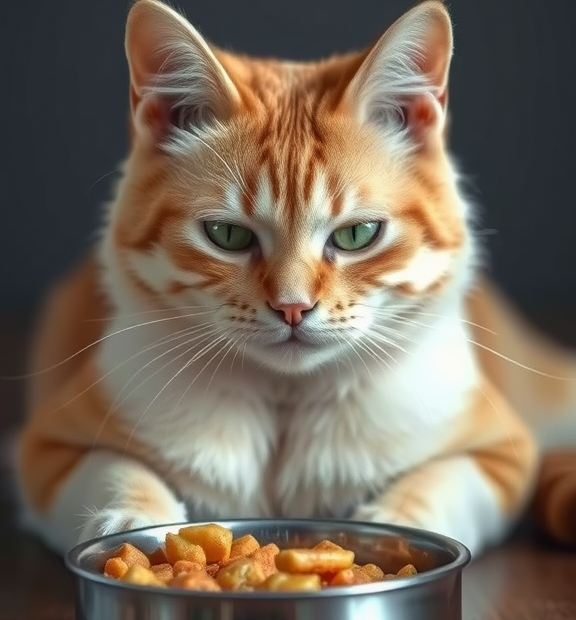
Effective Feeding Solutions for Floppy, Docile Cats That Aren’t Eating Enough
When you notice your cat becoming floppy and docile, refusing to eat enough, it can be deeply worrying. Cats often hide discomfort, but a sudden drop in appetite coupled with lethargy signals a need for attention and care. Finding effective feeding solutions for such cats is crucial to help them regain strength and wellbeing.
Understanding the Causes of Poor Appetite in Floppy, Docile Cats
Before diving into feeding strategies, it’s important to recognize why your cat might be eating less. Illness, dental problems, stress, or even changes in environment can discourage eating. Floppiness and lethargy usually point to serious underlying issues like infection, pain, or organ dysfunction. Consulting a veterinarian should always come first to rule out medical emergencies and to get targeted treatment.
Creating a Comfortable Feeding Environment
Your cat’s environment plays a big role in its willingness to eat. You can improve feeding comfort much by:
- Offering food in a quiet, stress-free area away from loud noises or other pets.
- Using shallow bowls that avoid putting pressure on sensitive jaws, particularly if dental disease is suspected.
- Warming up wet food to mimic body temperature, making it more aromatic and attractive.
- Ensuring your cat is physically comfortable, perhaps providing soft bedding near the feeding spot so your cat can rest and eat without strain.
Choosing the Right Type of Food
Floppy cats that aren’t eating enough often benefit from nutrient-rich, easy-to-eat foods. You should:
- Try canned or pouched wet food over dry kibble, since wet food is easier to chew and more flavorful due to its higher moisture content.
- Opt for high-protein, high-calorie formulas designed for recovery or weight gain. These specialized diets provide concentrated nutrition which is essential when intake is limited.
- Consider offering small, frequent meals rather than larger portions to accommodate your cat’s low energy level and decrease overwhelming feelings.
Enhancing Appetite with Tasty Additions
Sometimes, gentle encouragement through adding palatable toppings or supplements can boost your cat’s interest in eating:
- Add a small amount of tuna juice, chicken broth (unsalted and without onions or garlic), or bone broth on top of meals to enhance aroma and flavor.
- Mix in a spoonful of canned pumpkin or cooked soft vegetables for added fiber and vitamins if tolerated.
- Consult your vet about appetite stimulants such as mirtazapine or cyproheptadine, which can be prescribed for cats struggling to eat.
Feeding Techniques for Cats With Very Low Energy
If floppiness and docility are severe, your cat might lack the strength to eat independently. In such cases, these methods can help:
- Hand feeding: Using your fingers or a small spoon, offer tiny bits of food gently to encourage intake and provide comfort.
- Syringe feeding: When necessary, a veterinarian can guide you on how to feed a pasty or liquid diet via oral syringe safely to prevent choking or aspiration.
- Feeding tubes: In extreme scenarios, a feeding tube may be placed for direct nutrition, but this is usually only recommended under veterinary supervision and for short durations.
Supporting Hydration Alongside Nutrition
Hydration is just as important as food intake, especially when cats show signs of weakness and reduced appetite. Encourage your cat to drink by providing fresh water in multiple locations. Adding water or broth to canned food can also increase fluid intake. If your cat refuses to drink, your vet may administer subcutaneous fluids to prevent dehydration.
Monitoring Progress and Adjusting Feeding Strategies
It’s vital to closely observe your cat’s response to feeding solutions. Track food consumption, weight changes, and energy levels daily. If appetite remains poor or symptoms worsen despite home care, reconsult your veterinarian promptly. Patience and gentle encouragement often lead to recovery, but sometimes medical intervention is necessary to address underlying causes more effectively.
Remember, feeding solutions for floppy, docile cats that aren’t eating enough must focus on comfort, nutrition, and gradual encouragement. By creating a peaceful feeding environment, choosing nutrient-dense foods, enhancing flavors, and using supportive feeding techniques when needed, you can help your beloved cat regain strength. Always partner with your vet to ensure the best approach tailored to your cat’s specific health needs.
Understanding the Health Risks and Signs of Poor Appetite in Floppy, Docile Cats
Caring for a floppy, docile cat that isn’t eating enough can be a worrying experience. These gentle pets may seem calm and quiet, but their lack of appetite could be signaling underlying health concerns that need your attention. Recognizing the health risks and early signs of poor appetite is crucial to helping your feline friend regain strength and maintain a good quality of life.
Why Poor Appetite Is a Serious Concern in Cats
Cats are known for being finicky eaters, yet a consistent refusal or decrease in food intake is never normal. A floppy, docile cat that isn’t eating enough may be at risk of developing severe complications. Unlike some animals, cats’ bodies depend heavily on steady nutrition, and skipping meals for even a couple of days could lead to a dangerous condition called hepatic lipidosis, or fatty liver disease.
This condition occurs when fat stored in the body is rapidly released to meet energy needs due to fasting or lack of adequate food intake. It causes the liver to become overwhelmed and fail to function properly, which can be life-threatening if not treated promptly. Early identification of poor appetite can prevent such outcomes and improve your cat’s recovery chances.
Common Causes That Lead to Loss of Appetite in Floppy Cats
The reasons why a docile cat stops eating can vary widely. Some common causes include:
- Illness or Infection: Chronic diseases like kidney problems, dental disease, or infections can make your cat feel too unwell to eat.
- Pain or Discomfort: Arthritis or other painful conditions often make cats less active and uninterested in food.
- Stress or Anxiety: Changes in environment, routine, or the introduction of new pets can cause anxiety and reduce appetite.
- Medication Side Effects: Some treatments might upset a cat’s stomach or alter their taste, leading to decreased eating.
Identifying the reason behind your cat’s reduced food intake requires close observation and sometimes veterinary assessment.
Signs You Should Watch For Beyond Lack of Appetite
While the primary concern is the decreased eating behavior, there are other vital signs that help signal the health condition of your floppy, docile cat:
- Weight Loss: Noticeable weight loss over a short period indicates your cat isn’t getting enough nutrition.
- Lethargy: Excessive sleepiness or lack of energy beyond their mild docile temperament.
- Change in Grooming Habits: Cats that stop grooming may have underlying issues affecting their wellbeing.
- Vomiting or Diarrhea: Digestive troubles can both reduce appetite and signal illness.
- Behavioral Changes: Increased hiding, irritability, or changes in vocalization may all point to discomfort or sickness.
Health Risks if Poor Appetite Goes Untreated
Ignoring persistent low food intake in floppy cats can result in escalating health problems:
- Muscle Wasting: Without nutrition, muscle mass quickly deteriorates, leaving cats weak and prone to injury.
- Dehydration: Cats often get a significant portion of their water from food; reduced eating can lead to dangerous dehydration.
- Organ Damage: Prolonged malnutrition can strain the kidneys and liver, causing irreversible damage.
- Immune System Suppression: Poor nutrition weakens a cat’s defenses, making them vulnerable to infections.
- Hepatic Lipidosis: As mentioned, this severe liver condition can develop rapidly without treatment.
Prompt response to appetite changes prevents these risks from becoming health emergencies.
How to Monitor and Support a Cat with a Poor Appetite
To care for your docile cat showing signs of eating less, take these practical steps:
- Track Eating and Drinking: Keep a journal of how much your cat eats and drinks daily to notice subtle changes.
- Measure Weight Regularly: Weigh your cat weekly to catch any alarming weight loss early.
- Offer Appealing Foods: Warm wet food or highly aromatic meals can entice a reluctant eater.
- Create a Calm Feeding Environment: Minimize stress and noise around feeding times to encourage eating.
- Stay in Touch with Your Veterinarian: Regular check-ups and swift consultations if your cat stops eating for more than 24 hours.
Feeding a floppy, docile cat that isn’t eating enough requires patience and attentiveness, but your efforts will greatly contribute to your pet’s recovery and happiness.
Conclusion
Addressing the feeding challenges in floppy, docile cats that aren’t eating enough requires a gentle and attentive approach. By implementing effective feeding solutions, such as offering highly palatable foods, warming meals to enhance aroma, and feeding smaller, frequent portions, you can encourage your cat to eat more comfortably. Understanding the unique health risks tied to poor appetite in these calm and floppy cats is vital. A diminished appetite can signal underlying issues such as dental problems, infections, or metabolic disorders, so observing behavioral changes and appetite patterns is essential for early intervention.
Caring for your floppy, docile cat means paying close attention not only to what they eat but also to how they are feeling overall. If your cat appears lethargic, weak, or continues to avoid food despite your efforts, consulting with a veterinarian is the best step. They can provide a comprehensive health evaluation and recommend treatments or nutritional supplements to restore your cat’s energy and wellbeing.
Ultimately, your goal is to support your cat’s nutritional needs while acknowledging and adapting to their gentle nature. With patience, thoughtful feeding strategies, and timely medical care, you can help your floppy, docile cat regain strength and enjoy a healthier, happier life. Your attentive efforts will make a significant difference in supporting your furry friend through these feeding challenges.