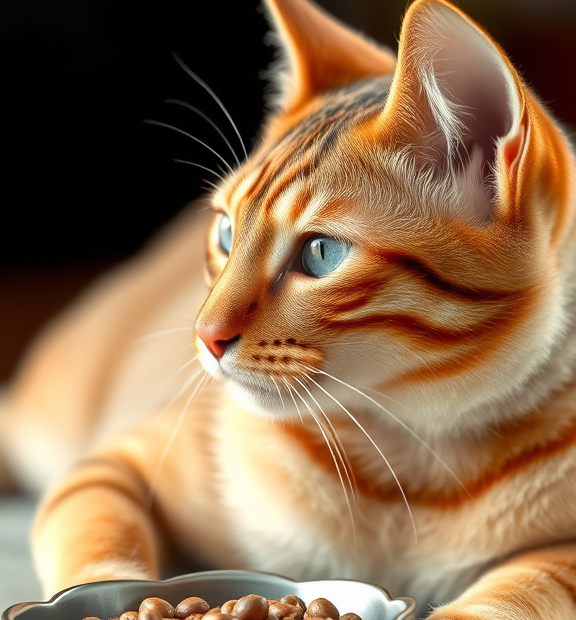
Feeding Your Abyssinian the Right Way: Nutritional Essentials for Optimal Health
Feeding your Abyssinian cat properly is essential to supporting their energetic lifestyle and maintaining their sleek, muscular build. These cats are known for their curiosity and playfulness, which means they need a diet that fuels their activity while supporting their overall well-being. Understanding the nutritional essentials and how to meet them can help you ensure your Abyssinian thrives.
Understanding the Nutritional Needs of Abyssinians
Abyssinians are active and lean cats, which means their diet should be rich in high-quality proteins to support muscle maintenance and development. Protein acts as the cornerstone of a healthy feline diet, providing the essential amino acids required for growth, repair, and energy. Unlike some other pets, cats are obligate carnivores — their bodies are designed to digest and utilize animal-based protein more efficiently than plant proteins.
In addition to protein, fats play a crucial role in supplying concentrated energy and keeping your Aby’s coat shiny and healthy. Fats also help absorb fat-soluble vitamins, such as A, D, E, and K. Because Abyssinians tend to have fast metabolisms, they benefit from a well-balanced amount of fat in their diet for sustained energy throughout the day.
Key Nutrients Your Abyssinian Needs
A balanced diet for your Abyssinian should include several vital nutrients:
- Taurine: This essential amino acid is critical for heart health, vision, and reproduction, and since cats cannot produce enough taurine themselves, it must be included in their diet.
- Fatty Acids: Omega-3 and Omega-6 fatty acids support brain function, reduce inflammation, and maintain a healthy skin and coat.
- Vitamins and Minerals: Vitamins A, B, E, and D assist in immune function, metabolism, and overall cellular health. Minerals like calcium and phosphorus maintain strong bones and teeth.
- Water: Staying hydrated is imperative. Wet cat food can help increase water intake, which benefits kidney health and overall hydration.
Choosing the Right Food for Your Abyssinian
When selecting food, look for high-quality commercial cat foods labeled specifically for all life stages or adult maintenance, depending on your cat’s age. Ingredients should list meat, fish, or poultry as the first component. Avoid foods with excessive fillers like corn and soy, which provide little nutritional value and can lead to digestive issues.
Dry kibble can be convenient and good for dental health, but make sure it contains sufficient protein and fat and is free from by-products and artificial preservatives. Alternatively, wet food is excellent for hydration and often contains fewer carbohydrates, more closely mimicking a natural diet.
Special Considerations for Feeding Abyssinians
Since Abyssinians have high energy demands, feeding smaller, more frequent meals throughout the day might work best to keep their metabolism and energy levels balanced. Overfeeding can lead to unnecessary weight gain, which can affect your cat’s agility and overall health.
Pay attention to your Abyssinian’s activity levels and body condition. If your furry friend becomes less active, adjust their portions accordingly to prevent obesity. Conversely, if they are highly active or nursing kittens, they may require additional calories and nutrients.
Also, Abyssinians may be prone to dental issues, so incorporating dental care, such as regular brushing or dental treats, can complement their nutrition and support oral health.
Supplementing Your Cat’s Diet
Generally, a well-balanced commercial cat food should supply all the necessary nutrients. However, if you are feeding homemade meals, consulting with a veterinary nutritionist is crucial to ensure your recipe meets your Abyssinian’s nutritional needs.
If recommended by your vet, supplements such as fish oil (rich in omega-3 fatty acids) or probiotics can be added to improve coat quality and digestive health. Always avoid giving your cat supplements without professional guidance, as excessive or imbalanced supplementation can cause more harm than good.
Monitoring Your Abyssinian’s Health Through Diet
Observe your cat’s coat, energy levels, digestion, and body weight regularly. A shiny coat, bright eyes, consistent bathroom habits, and a healthy weight are signs your feeding routine is on track.
If you notice any signs of digestive upset, lethargy, or weight changes, consult your veterinarian to review your feeding habits and make adjustments. Regular vet checkups allow early detection of nutrition-related issues and ensure your Abyssinian stays in peak health.
Feeding your Abyssinian the right way means focusing on a balanced diet rich in animal protein, adequate fats, essential vitamins, minerals, and maintaining proper hydration. By understanding and meeting their unique nutritional requirements, you can help your lively Abyssinian cat enjoy a longer, happier, and healthier life.
Common Dietary Mistakes to Avoid When Caring for Your Abyssinian Cat
Feeding your Abyssinian cat properly is crucial to ensuring their overall health and happiness. This unique breed is known for its playful nature, intelligence, and energetic behavior, which means their dietary needs are specific and must be met with care. Avoiding common dietary mistakes can make a significant difference in your Abyssinian’s wellbeing, preventing nutritional imbalances and health issues. Here are some common pitfalls to watch out for when planning meals for your furry friend.
Nutritional Deficiencies From Inadequate Diets
One of the most frequent dietary mistakes is feeding your Abyssinian cat food that lacks essential nutrients. Cats are obligate carnivores, which means they require animal-based proteins for their survival. An improper diet low in protein can lead to muscle wasting, weakened immune function, and lethargy. Many commercial cat foods fill the diet with fillers such as corn, wheat, or soy, which don’t provide sufficient nutrition and can affect digestion negatively.
Make sure the cat food you choose prioritizes high-quality protein sources such as chicken, turkey, or fish. Look for labels that list the meat as the first ingredient, highlighting its prominence in the formula. Additionally, cats require certain amino acids like taurine that are only found in animal tissues; failure to include these can result in serious health problems.
Overfeeding Leading to Obesity
Another mistake is overfeeding. Abyssinians are active cats but can still gain excess weight if fed more calories than they can burn through exercise. Obesity increases the risk of diabetes, arthritis, and heart problems in cats. Portion control is essential, alongside monitoring your cat’s weight regularly.
Use recommended feeding guidelines based on your Abyssinian’s age, weight, and activity level. Avoid leaving food out all day (free feeding), as it encourages overeating. Instead, feed measured portions at scheduled times, ensuring your cat eats enough but not too much.
Feeding Unhealthy Treats
Treats are a great way to bond with your cat, but many cat owners make the error of feeding unhealthy human foods or excessive commercial treats. Foods like chocolate, onions, garlic, and caffeine are toxic to cats and must never be given. Dairy products, often thought to be cat-friendly, can cause digestive upset since many cats are lactose intolerant.
Limit sugary or fatty treats, opting instead for small portions of healthy cat-specific treats or pieces of cooked lean meat. Treats should never make up more than 10% of your Abyssinian’s daily caloric intake to maintain nutritional balance.
Ignoring Hydration Needs
Abyssinians need sufficient water for optimal kidney function and to prevent urinary tract problems. Many owners inadvertently neglect hydration by feeding mostly dry kibble without encouraging water intake. Cats in nature get much of their water from prey, so relying solely on dry food requires you to be proactive about water supply.
To boost hydration, consider including wet food in your cat’s diet or adding water or broth to dry food. Always provide fresh, clean water daily and place multiple water bowls around your home to encourage drinking.
Switching Food Too Suddenly
Changing your Abyssinian’s diet abruptly can upset their digestive system, causing vomiting, diarrhea, or inappetence. This often happens when owners switch brands or types of food without gradually transitioning.
To avoid this, introduce new food slowly over 7-10 days. Start by mixing a small amount of new food with your cat’s current food and gradually increase the new food’s proportion. This allows your Abyssinian’s digestive system to adapt comfortably, reducing the chances of digestive upset.
Ignoring Food Sensitivities or Allergies
Some Abyssinians develop sensitivities or allergies to certain ingredients, often protein sources or grains. Feeding food containing allergens can lead to skin irritation, itching, or gastrointestinal distress.
If you notice symptoms like excessive scratching, hair loss, or chronic diarrhea, consult your veterinarian. They may recommend an elimination diet or hypoallergenic food options to pinpoint and avoid the offending ingredient.
Relying on Homemade Diets Without Proper Nutritional Balance
While homemade cat food might seem like a healthier alternative, it comes with challenges that many owners underestimate. Preparing a well-balanced diet that meets all the nutritional needs of an Abyssinian cat requires careful research and consultation with a veterinary nutritionist.
Improperly balanced homemade meals can lead to deficiencies or toxicities, such as excessive vitamin A or calcium imbalances. If you prefer homemade diets, ensure they are formulated with expert guidance to avoid inadvertent harm.
Key Tips for a Healthy Abyssinian Diet
- Choose high-protein commercial cat food with quality animal ingredients.
- Feed regulated meals rather than free feeding to prevent obesity.
- Introduce new foods gradually over several days.
- Avoid toxic human foods and limit treats.
- Include wet food or ensure fresh water is always available.
- Monitor for signs of allergies or sensitivities and seek vet advice if needed.
Being mindful of these common dietary mistakes helps you deliver the best nutrition to your Abyssinian cat. Keeping their diet balanced, protein-rich, and suited to their needs will support their natural vitality, sharp mind, and impressive agility for years to come.
Conclusion
Feeding your Abyssinian the right way is key to helping your feline friend live a long, healthy, and happy life. By focusing on nutritional essentials such as high-quality protein, balanced fats, and the right vitamins and minerals, you provide the foundation for strong muscles, a shiny coat, and overall vitality. Remember, Abyssinians are active cats with unique dietary needs that can’t be met with just any cat food. Choosing products specifically formulated to support their energy levels and lean physique makes a world of difference in their well-being.
Equally important is avoiding common dietary mistakes that many cat owners make. Overfeeding or offering too many treats can lead to obesity, which puts extra strain on your Abyssinian’s joints and organs. Feeding low-quality food lacking essential nutrients can cause health problems like dull fur or digestive issues. Stick to a consistent feeding schedule and monitor portion sizes carefully. Avoid sudden changes in diet to prevent upset stomachs, and always provide fresh water to keep your cat hydrated.
Ultimately, your attentive care in feeding your Abyssinian proper nutrition reflects in their liveliness and health. By understanding what your cat truly needs and steering clear of harmful feeding habits, you foster a stronger bond and give your Abyssinian the best chance to thrive. Feeding your Abyssinian the right way isn’t just about food—it’s about supporting their whole life.