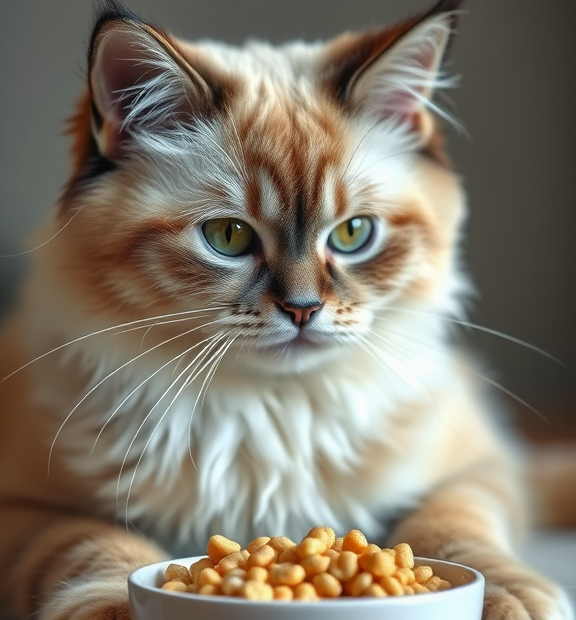
Feeding Your Ragdoll Cat with Love and Care: Nutritional Tips for Optimal Health
Caring for a Ragdoll cat goes beyond providing a cozy bed and playful companionship; it includes feeding your feline friend with love and attention to ensure their health flourishes. This gentle, affectionate breed thrives on a balanced diet tailored to its unique nutritional needs. Feeding your Ragdoll cat properly supports their luscious coat, strong muscles, and overall wellbeing. When you focus on nutrition lovingly, your cat’s vibrant personality will shine even more.
Understanding Your Ragdoll’s Nutritional Requirements
Ragdolls are large, muscular cats with a calm disposition, which influences their dietary needs. Because they tend to be less active than other breeds, you’ll want to choose foods that support lean muscle while controlling caloric intake to prevent overweight issues. Protein is a critical component—high-quality animal proteins like chicken, turkey, or fish should be the primary ingredient in their meals. Protein helps maintain muscle mass and keeps your Ragdoll energetic and healthy.
Essential fatty acids, particularly omega-3 and omega-6, are vital for nurturing your cat’s silky coat and supporting joint health. Including ingredients rich in these fats, such as fish oils, will help your Ragdoll maintain their signature softness and bright eyes. Carbohydrates should be moderate; Ragdolls do not need large amounts of grain fillers that contribute little nutritional benefit. Quality fiber aids digestion and promotes healthy bowel movements, which is important for any cat’s comfort and health.
Choosing the Right Food: Commercial and Homemade Options
When selecting commercial cat food, always check the label to confirm it is specially formulated for adult cats, meeting AAFCO (Association of American Feed Control Officials) standards. Many brands offer formulas specifically designed for indoor or less active cats, which may be ideal for your Ragdoll’s lifestyle. Wet food is excellent for hydration and often more palatable, while dry kibble is convenient and helps maintain dental health. A mix of both can offer balanced nutrition plus variety.
If you prefer preparing homemade meals, consult your veterinarian to ensure recipes are balanced and safe. Homemade feeding allows you to control ingredients carefully, avoiding preservatives and fillers. You can add cooked lean meats and supplement essential vitamins and minerals recommended by your vet. However, it’s crucial not to remove commercial food completely unless guided by an expert, as unbalanced homemade diets may lead to health problems.
Feeding Practices That Show Care
Regular feeding schedules create a comforting routine for your Ragdoll. Most adult cats do best with two meals a day—once in the morning and once in the evening. This regularity helps regulate digestion and keeps your pet eager and content at mealtime. Fresh water should always be available to encourage hydration, which is often overlooked but vital for your Ragdoll’s kidney and urinary tract health.
- Avoid sudden diet changes: Transition slowly over 7-10 days when switching foods to prevent stomach upset.
- Use portion control: Follow recommended serving sizes to maintain a healthy weight.
- Monitor treat intake: Choose healthy treats and limit their quantity so they don’t disrupt your cat’s balanced diet.
Signs of a Healthy Diet in Your Ragdoll
When feeding your Ragdoll with care, pay attention to these indicators that your cat is thriving:
- Shiny, soft fur: A well-nourished coat reflects sufficient fatty acids and vitamins.
- Bright, clear eyes: Nutritional adequacy supports eye health and alertness.
- Consistent energy levels: Your cat should be playful but not hyperactive or lethargic.
- Healthy weight: Neither overweight nor underweight; you should be able to feel ribs without excessive fat covering.
Common Nutritional Challenges and How to Handle Them
Occasionally, Ragdolls may face specific dietary hurdles such as food sensitivities or obesity. If your cat shows signs like vomiting, diarrhea, or skin irritation after meals, consult your veterinarian to identify potential allergies or intolerances. Selecting hypoallergenic diets or limited-ingredient foods can help manage these issues.
Weight management is another key concern. Less active Ragdolls can gain weight quickly if overfed or given too many treats. Engage your cat in gentle play and stick to portion-controlled feeding to keep them fit without compromising their love for good food.
Enhancing Mealtime with Love
Feeding time is more than just providing nutrition—it’s an opportunity to bond with your Ragdoll. Talk softly to your cat during meals, provide a quiet and safe feeding environment, and observe their cues if they prefer certain textures or flavors. Your attention and care create a positive association with eating, which supports better digestion and overall happiness.
a well-planned diet combined with affectionate feeding practices ensures your Ragdoll cat enjoys optimal health throughout their life. By selecting quality food, maintaining consistency, and paying close attention to your feline’s unique needs, you demonstrate love that contributes directly to their vitality and joy.
Creating a Comfortable Eating Environment to Enhance Your Ragdoll Cat’s Well-being
Understanding Your Ragdoll Cat’s Needs During Mealtime
Ragdoll cats are known for their gentle temperament and affectionate nature, which makes them wonderful companions. To support their overall health, creating a quiet, comfortable space for feeding is essential. Cats, especially the calm and sensitive Ragdolls, thrive best when they feel safe and undisturbed during mealtime. When feeding your Ragdoll cat with love and care, the environment you provide can greatly impact their eating habits, digestion, and emotional well-being.
Feeding in a chaotic or noisy area can stress your cat, leading to reduced appetite or picky eating. This can contribute to weight loss or poor nutrition over time. To promote better health, consider dedicating a quiet nook in your home as a special feeding spot. This area should be free from loud noises, children’s play areas, and high foot traffic that may startle or distract your Ragdoll.
Choosing the Right Location and Feeding Setup
Location is key when setting up your cat’s feeding area. Aim for a calm corner away from household commotion. Ideally, this spot is easily accessible to your Ragdoll but offers some privacy so they can feel relaxed while eating. Cats appreciate having their food bowl positioned away from their litter box to maintain hygiene and comfort.
You can enhance comfort further by using the following tips:
- Stable feeding bowls: Select sturdy, non-slip bowls that won’t slide around as your cat eats.
- Proper bowl size: Use medium-sized dishes that accommodate the amount of food without overwhelming your Ragdoll.
- Elevated feeding stations: Consider gentle elevation to reduce strain on their neck and joints, especially in older cats.
- Separate water station: Keep fresh water in a distinct bowl or fountain nearby to encourage hydration.
Maintaining Cleanliness to Support Health
A clean feeding area is crucial for preventing bacteria growth and potential illnesses. Wash food and water bowls daily with mild soap and hot water. Regularly wipe the feeding surface to remove crumbs, spills, and fur. Maintaining this cleanliness shows care for your Ragdoll’s health and encourages them to eat happily.
If you notice any leftover food or uneaten treats in the bowl, remove them promptly to avoid attracting pests and to maintain freshness. By doing this consistently, your cat will associate feeding time with a fresh, inviting environment.
Routine and Positive Interaction
Cats appreciate consistency, so try to feed your Ragdoll at the same times each day. A predictable schedule reduces anxiety and helps regulate their digestive system. Mealtime routine combined with gentle affection can make feeding a positive experience.
You can interact lovingly during feeding by talking softly, gently petting if your Ragdoll allows, or simply sitting nearby to offer comfort. This strengthens the bond you share and makes your cat feel more secure and content.
Monitoring Eating Behavior to Detect Health Changes Early
By creating an enjoyable feeding environment, you also make it easier to observe your cat’s eating habits closely. Changes such as eating less, eating too quickly, or showing reluctance can be early signs of health issues like dental problems, digestive discomfort, or stress. If you notice unusual behavior at mealtime, consult your veterinarian promptly.
Keeping a feeding diary or notes on your pet’s appetite, preferred foods, and environmental preferences can be helpful to track their well-being over time. Small adjustments to the feeding environment might improve their enthusiasm for food and encourage better health.
Additional Tips for a Soothing Feeding Environment
- Soft lighting: Use gentle lighting during feeding times to create a calm atmosphere.
- Minimized distractions: Avoid loud household appliances or TV noises near the feeding area.
- Use soothing scents: Natural, pet-safe calming scents such as lavender can help relax your cat (used carefully).
- Comfortable floor surface: Place feeding mats or rugs under bowls to add comfort and prevent slips.
The Impact of a Comfortable Eating Space
Feeding your Ragdoll cat in a comfortable, calm environment is a small gesture that makes a huge difference in their health and happiness. When your cat feels safe and cared for during meals, they are more likely to maintain a healthy appetite, strong digestion, and a gentle demeanor. This approach proves how feeding your Ragdoll cat with love and care goes beyond just providing nutritious food — it includes creating a peaceful setting where their well-being can truly flourish.
Conclusion
Feeding your Ragdoll cat with love and care goes beyond simply providing food—it means choosing the right nutrients that support their unique needs and promoting a positive mealtime atmosphere. By selecting high-quality, balanced meals rich in protein and essential vitamins, you help your Ragdoll maintain strong muscles, a shiny coat, and overall vitality.Understanding their dietary requirements is the foundation of good health, but creating a comfortable eating environment makes a big difference too. A quiet, clean, and stress-free space allows your furry friend to enjoy their meals calmly, improving digestion and encouraging consistent eating habits. When your Ragdoll feels safe and cared for during feeding times, it strengthens the bond between you and supports their emotional well-being.Feeding your Ragdoll with attention to both nutrition and environment sets the stage for a happier, healthier life. Small yet thoughtful adjustments, like offering fresh water alongside meals or placing food bowls in quiet corners, show your commitment to their comfort and health. With patience and understanding, you can nurture your cat’s physical needs while deepening your connection. Your love and care during mealtime are key ingredients in ensuring your Ragdoll thrives for many years to come.