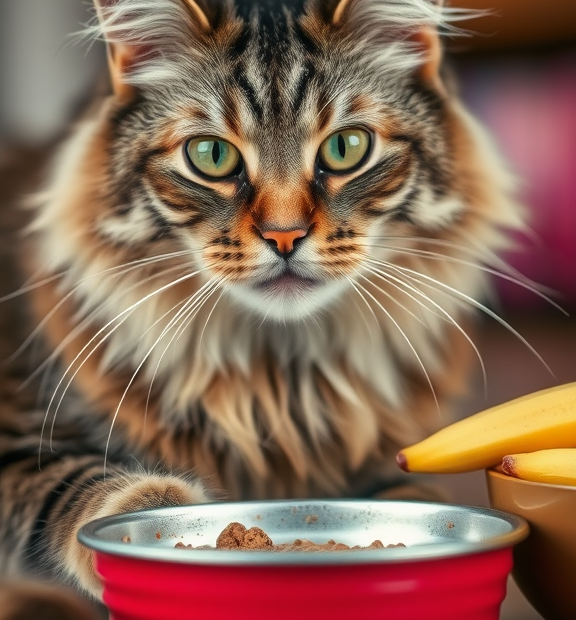
Fix Your Maine Coon’s Cat Eat Problem with These Feeding Tips: Practical Solutions for Picky Eaters
Understanding Your Maine Coon’s Eating Habits
Maine Coons are known for their gentle personalities and impressive size, but when it comes to mealtime, they can be surprisingly picky. If you’ve noticed your Maine Coon refusing food or acting disinterested during feeding time, it’s not uncommon. However, persistent eating problems can affect your cat’s health. Identifying the root cause of your Maine Coon’s eating challenges is the first step toward finding effective and practical solutions.
Factors like the cat’s age, health status, texture preferences, and even environment play a role in their eating habits. Older cats may develop dental issues that make chewing hard kibble painful. Stress or sudden changes in household routine can deter a Maine Coon from eating regularly. Sometimes, the problem simply comes down to food dissatisfaction—taste, smell, and texture matter a lot more to cats than many pet owners realize.
Creating a Feeding Routine That Works
Consistency is key when dealing with a finicky eater. Establish a regular feeding schedule to help your Maine Coon know when to expect food. Offering meals at the same times every day encourages a positive feeding pattern and reduces anxiety around mealtime.
- Stick to meal times: Feed your cat two to three times daily, depending on their age and energy level.
- Remove uneaten food: Leaving food out all day can decrease interest in eating and lead to spoilage.
- Create a calm environment: Choose a quiet, low-traffic area for feeding to avoid distractions and stress.
Choose the Right Food for Your Maine Coon
Maine Coons often prefer high-quality wet food due to its moisture content and strong aroma. If your cat refuses dry kibble, consider switching to premium canned food or even a balanced raw diet, but always consult your vet first. Texture is crucial—some cats reject food that’s too mushy or too crunchy.
Introducing new food gradually is essential. Mix a small amount of new food with the old and gradually increase the new food ratio over 7 to 10 days. Sudden changes can cause digestive upset and increase reluctance to eat.
Addressing Underlying Health Issues
If your Maine Coon consistently avoids food or shows drastic changes in appetite, a veterinary checkup is necessary. Health problems such as dental disease, kidney issues, or gastrointestinal discomfort often cause loss of appetite. Treating these conditions can restore normal feeding behavior.
Regular dental care, including professional cleanings and at-home brushing, helps prevent painful dental issues. Also, monitor your cat’s weight and hydration to catch problems early.
Signs to watch for that may indicate health problems include:
- Drooling or pawing at the mouth
- Weight loss without explanation
- Vomiting or diarrhea
- Lethargy or changes in behavior
Engaging Your Maine Coon During Mealtime
Sometimes, simply making feeding more interactive can encourage your Maine Coon to eat. Puzzle feeders or food-dispensing toys stimulate your cat’s natural hunting instincts and can make mealtime more exciting. Smaller, frequent feedings can also reduce overwhelm and stimulate appetite.
Try these tactics to encourage eating:
- Hand feeding: Gently offer food from your hand to create a bonding moment and entice interest.
- Warming the food: Slightly warming wet food can enhance its aroma and palatability.
- Rotate flavors: Keep your Maine Coon curious by offering different flavors within the same food brand or texture.
Hydration Matters as Much as Nutrition
Maine Coons are prone to urinary tract issues, making proper hydration critical. Wet food is a fantastic way to introduce more water into your cat’s diet, but always provide fresh water as well. Using fountains can encourage cats to drink more often because running water captures their interest.
Check water bowls regularly, keep them clean, and place them away from the food dish to avoid contamination and encourage drinking.
Creating a Positive Mealtime Experience
Your Maine Coon’s attitude toward food can be improved by creating a pleasant feeding experience. Avoid stressful situations such as loud noises or overcrowding during mealtime. Maintain patience and don’t force-feed the cat, which can worsen anxiety or aversion.
Recognize and reward positive feeding behavior. Praise your cat gently or offer a small treat after they eat, reinforcing a healthy relationship with food. Over time, this builds confidence and reduces eating problems.
Fixing your Maine Coon’s cat eat problem requires a thoughtful approach that balances their natural behavior, dietary needs, and any medical issues. By applying these feeding tips, you can help your furry friend enjoy mealtime again, promote better health, and strengthen the bond you share.
Understanding Maine Coon Nutritional Needs to Enhance Their Eating Habits and Overall Health
Key Nutritional Requirements for Maine Coons
Maine Coons are large and majestic cats known for their gentle nature and impressive size. Their nutritional needs can differ quite a bit from smaller cat breeds because of their unique physiology and energy levels. To support their growth and maintain their health, it is essential to provide a diet rich in high-quality proteins, essential fats, and vital nutrients.
Protein is the cornerstone of a Maine Coon’s diet. Since they are muscular cats with high activity levels, they require quality animal-based protein to maintain muscle mass and support their large frame. Ingredients such as chicken, turkey, fish, and beef are excellent protein sources that also supply essential amino acids.
Fats are another crucial component. Healthy fats, like omega-3 and omega-6 fatty acids, promote a shiny coat, healthy skin, and support brain and heart health. These can be found in fish oils and certain seeds. Maine Coons tend to have dense, water-resistant fur, so these fats help keep their coat in top condition.
Carbohydrates should be included in moderation. While cats are obligate carnivores, small amounts of easily digestible carbohydrates can provide energy without spiking blood sugar levels.
How to Recognize and Address Maine Coon Feeding Issues
If your Maine Coon is facing eating problems or showing signs of irregular eating habits, it’s important to identify the cause early. Lack of appetite, picky eating, or overeating can negatively affect their health.
- Appetite Changes: Sudden drops in appetite may indicate medical issues such as dental problems or digestive upset. Always consult your vet if your cat refuses to eat for more than 24 hours.
- Picky Eating: Maine Coons can sometimes be finicky. Offering a variety of flavors and textures can help determine their preference. Warming wet food slightly can also make it more enticing.
- Overeating or Obesity: Due to their size, Maine Coons have larger portions but can still be prone to obesity if meal portions are not controlled or if their activity is low.
Practical Tips to Enhance Maine Coon Eating Habits
Improving your Maine Coon’s eating habits involves a combination of proper nutrition, routine, and environment. Here are some expert tips to make mealtimes better for your cat:
- Consistent Feeding Schedule: Cats thrive on routine. Feeding your Maine Coon at the same times each day can regulate their appetite and digestion.
- Quality Over Quantity: Invest in premium cat food that matches the specific nutritional needs of Maine Coons — rich in protein, balanced fats, and minimal fillers.
- Wet and Dry Food Balance: Incorporate wet food to increase moisture intake, which supports kidney health, and dry kibble for dental benefits.
- Use Multiple Feeding Stations: If you have multiple pets, providing separate feeding areas helps reduce stress and food guarding behaviors.
- Keep Food Fresh and Clean: Change food frequently to avoid spoilage and wash bowls regularly to prevent bacteria buildup.
The Role of Supplements and Treats in a Maine Coon’s Diet
Supplements can fill nutritional gaps but should only be used when recommended by your veterinarian. Omega fatty acid supplements can enhance coat health, and joint supplements containing glucosamine are beneficial for large breeds prone to joint stress.
Healthy treats can be used sparingly to encourage positive behavior and strengthen your bond. Opt for treats designed for cats that align with their dietary needs to avoid adding excess calories and unhealthy ingredients.
Monitoring Health Through Nutrition
Regular check-ups and monitoring your Maine Coon’s weight and coat condition will help you notice nutrition-related health changes early. A noticeable decline in energy, weight loss, or a dull coat can signal inadequate nutrition or underlying health conditions.
By tailoring their diet carefully and paying attention to their eating habits, you help your Maine Coon enjoy a long, active, and healthy life.
Final Thoughts on Maine Coon Feeding Practices
Feeding your Maine Coon properly involves understanding their specific nutritional demands and making adjustments to their lifestyle as needed. With consistent, high-quality nutrition and attention to their eating behavior, you can prevent many common issues related to diet and support their superior health and happiness.
Conclusion
Helping your Maine Coon overcome eating challenges starts with understanding their unique nutritional needs and adopting practical feeding strategies tailored for them. By recognizing what motivates your cat’s appetite and knowing the types of food that best support their large frame and energetic nature, you can create a mealtime routine that encourages healthy eating habits. Simple changes, like offering varied textures or adjusting feeding times, can make a big difference in enticing even the pickiest Maine Coon to enjoy their meals.
Remember, patience and consistency are key. Paying attention to your cat’s preferences and health signals empowers you to provide a balanced diet that fuels their playful spirit and supports their impressive size. Addressing eating problems early not only improves your Maine Coon’s nutrition but also strengthens your bond, making mealtime a positive experience for both of you.
With these targeted feeding tips and a clear understanding of their dietary requirements, you can confidently tackle your Maine Coon’s eating issues and watch them thrive. By prioritizing their health and happiness through good nutrition, you’ll ensure your majestic feline friend leads a long, energetic, and joyful life.