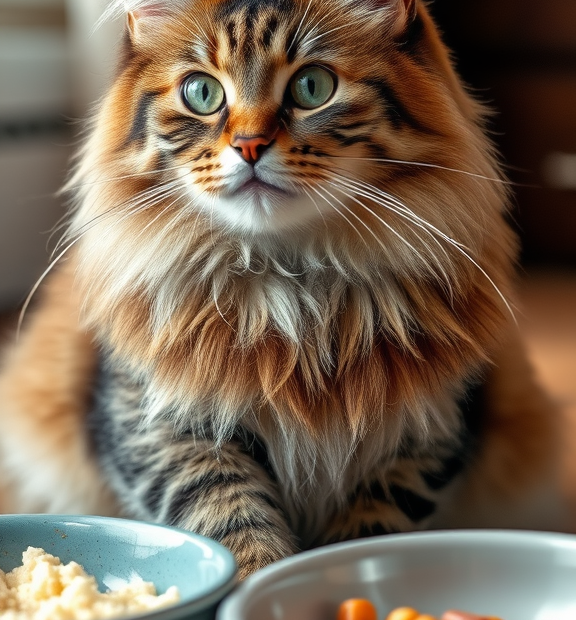
From Furballs to Full Bowls: Natural Solutions to Stop Your Maine Coon Cat’s Eating Issues
Understanding Your Maine Coon’s Eating Challenges
Maine Coons are large, majestic cats known for their playful personality and thick fur. However, many owners face challenges when it comes to their Maine Coon’s eating habits. Whether it’s picky eating, overeating, or sudden disinterest in food, these issues can impact your cat’s health and happiness. Instead of turning to harsh measures or processed fixes, focusing on natural solutions offers a way to promote better eating habits while supporting their overall wellness.
The first step is to understand why your Maine Coon might be having difficulties with food. Cats can develop eating problems for several reasons: stress, boredom, digestive upset, or simply because the diet doesn’t meet their needs. Maine Coons, with their large size and unique digestive system, often require special attention to their diet to prevent eating issues and related problems like furballs or weight gain.
Natural Diet Adjustments for Healthier Eating
Feeding your Maine Coon a natural, balanced diet is key to resolving eating concerns. These cats thrive on high-quality protein and moderate fat levels, mimicking the nutrition they would get in the wild. By shifting to whole, natural foods, you provide the nutrients your cat needs without additives that might upset their appetite or digestion.
- Choose Quality Proteins: Fresh, organic meats like chicken, turkey, or fish are excellent. Avoid fillers such as corn, soy, or byproducts found in lower-quality commercial cat food.
- Incorporate Wet Food: Canned foods with a majority of meat content can help increase hydration and make meals more appealing.
- Add Digestive Aids: Natural supplements like pumpkin puree or slippery elm powder can promote gut health, improving digestion and nutrient absorption.
- Include Hairball Remedies: Maine Coons are prone to furballs. small amounts of fiber-rich ingredients like psyllium husk or specialized natural hairball treats can reduce furball formation and the discomfort that interferes with eating.
Creating a Calm Eating Environment
Environmental factors greatly influence a Maine Coon’s willingness to eat. Stress or loud surroundings may cause your cat to avoid their food bowl altogether. Establishing a peaceful, quiet eating spot helps your Maine Coon feel safe and relaxed.
Try feeding your cat in a consistent location away from noise, other pets, or high-traffic areas. Use ceramic or stainless steel bowls rather than plastic, which can sometimes affect the taste of food or lead to whisker fatigue. Additionally, some Maine Coons enjoy eating on elevated stations, which might better suit their natural instincts.
Encouraging Natural Feeding Behaviors
Maine Coons are natural hunters and feeders. Encouraging their instincts can stimulate appetite and reduce boredom-related eating problems. Instead of free-feeding where food is left out all day, try meal-feeding with set times and use interactive toys that dispense food slowly.
Puzzle feeders or treat balls make your cat work for their meal, which can slow down rapid eaters and prevent overeating. This method also helps satisfy their mental stimulation needs, which is essential for an intelligent breed like the Maine Coon.
Hydration and Its Role in Eating Habits
Sometimes, a Maine Coon’s eating problem may stem from dehydration. Cats are known for having a low thirst drive, especially those fed dry kibble exclusively. Encouraging your cat to drink more water can improve digestion and prevent constipation, which indirectly supports better eating habits.
Try adding a pet water fountain to encourage drinking, or include wet foods with higher moisture content. You can also mix a little low-sodium broth (without onions or garlic) into their meals to boost liquid intake naturally.
Natural Remedies to Reduce Furball Discomfort
Furballs are a common issue in long-haired breeds like Maine Coons and can cause discomfort that discourages eating. Using natural remedies prevents these furballs from becoming a frequent problem without relying on chemicals or artificial products.
Gentle grooming with soft brushes reduces shedding and fur ingestion. A balanced diet rich in omega-3 fatty acids supports skin and coat health, reducing loose fur. Additionally, including natural lubricants such as a small amount of canned pumpkin or natural cat supplements specially designed for hairball control can facilitate the passage of ingested fur.
Recognizing When to Consult a Veterinarian
While natural strategies are effective in most cases, some eating issues signal underlying health problems. If your Maine Coon persistently refuses food, vomits regularly, loses significant weight, or shows signs of lethargy, seek veterinary care promptly.
A vet can help diagnose issues like dental problems, gastrointestinal disorders, or food allergies that may require targeted treatment. Combining professional advice with natural interventions provides a well-rounded approach to managing your Maine Coon’s eating problems.
Empowering Your Maine Coon’s Well-being Naturally
Addressing your Maine Coon’s eating issues naturally means embracing patience and attentiveness. Tailoring diet, environment, and feeding techniques to suit your cat’s unique needs fosters better health and a happier pet. With a few simple, natural changes, you can transform mealtime from a struggle into a joy—for both you and your furry friend. Ultimately, these strategies from furballs to full bowls nurture lasting wellness that every Maine Coon deserves.
Understanding Maine Coon Cat Behavior and How It Impacts Their Eating Habits
The Unique Personality of Maine Coon Cats and Its Effect on Feeding
Maine Coon cats are loved by many for their large size, long fur, and gentle temperament. But beyond their striking appearance, their behavior deeply influences how they approach eating. These felines are known for being intelligent, social, and playful, which means their eating habits are often linked to their emotional and environmental needs.
Because Maine Coons are highly social animals, they enjoy interaction around mealtime. Unlike some cat breeds that are content eating alone and quickly, Maine Coons may take their time or even ask for extra attention while eating. This behavior can sometimes give the impression that they are “picky” or that they “eat too much,” but it often reflects their affectionate nature.
How Maine Coon’s Size and Activity Levels Affect Their Appetite
One factor that significantly impacts the eating habits of Maine Coon cats is their size. Being one of the largest domesticated cat breeds, these cats often require more calories than smaller breeds. However, their eating patterns might not always match their caloric needs straightforwardly.
Additionally, Maine Coons are active cats that enjoy play and exploration. This activity level means they may have bursts of hunger tied to their daily adventures. You might notice your cat suddenly getting more enthusiastic during feeding times after periods of increased activity. Understanding this link helps you offer meals that better match their energy needs.
Behavioral Indicators and Their Role in Responsible Feeding
It’s important to recognize certain behaviors that signal whether your Maine Coon is eating enough or maybe too much. Here are some signs to watch for:
- Begging for food: Maine Coons may display begging behaviors when they want attention or more food, but this doesn’t always mean they are truly hungry.
- Playing with food: Sometimes, these cats treat their food as a toy, batting at kibble or wet food before eating. This can indicate boredom or the need for mental stimulation.
- Overeating when anxious or bored: Eating might become a coping mechanism for feelings of loneliness or restlessness.
By understanding these behaviors, you can adjust feeding routines and environmental enrichment to better suit your cat’s needs, reducing problems like overfeeding or food aggression.
Natural Ways to Support Healthy Eating in Maine Coon Cats
Maintaining natural and balanced eating habits is crucial for the wellbeing of your Maine Coon. Here are several strategies you can use to support their natural behavior and eating habits effectively:
- Regular feeding schedules: Establish consistent meal times instead of free feeding. This respects their internal rhythms and prevents overeating.
- Interactive feeding toys: Use puzzle feeders or treat balls to engage their intellect and slow down fast eaters. It makes mealtime both mentally and physically stimulating.
- High-quality, species-appropriate food: Choose diets rich in animal proteins and low in fillers. Natural ingredients nourish their bodies and satisfy their carnivorous instincts.
- Ample hydration: Maine Coons, especially those fed dry kibble, need easy access to fresh water to aid digestion and prevent urinary problems.
- Environmental enrichment: Keep your cat active and entertained with toys, climbing structures, and regular playtime to reduce stress-related eating patterns.
How Social Environment Influences Their Eating Patterns
Maine Coons typically thrive in homes where they feel connected to their human family and other pets. When this social need isn’t met, it can lead to changes in eating behavior. For example, a lonely Maine Coon might overeat to comfort itself or refuse food if it feels anxious.
Encouraging social bonding, whether through gentle petting, play, or even feeding participation, creates a positive emotional environment that benefits overall feeding habits. You might notice improved appetite and less erratic eating behaviors once these social needs are fulfilled.
Adjusting Feeding Systems for Behaviorally Healthy Maine Coons
Considering all behavioral traits helps you design a feeding approach that naturally supports your Maine Coon’s health. For instance, if your cat tends to overeat when bored, introducing meal puzzles can redirect that energy and provide entertainment.
If your Maine Coon enjoys company at mealtime, setting up shared feeding times or even feeding alongside you can encourage a calmer, more contented eating experience. Avoiding free feeding or constant food availability prevents unnecessary calorie intake linked to boredom or anxiety.
Ultimately, embracing your Maine Coon’s unique personality and behavioral patterns lets you tailor their feeding routine in a way that keeps them healthy and happy. You’ll see fewer feeding problems and more moments of relaxed satisfaction during mealtimes.
Conclusion
Helping your Maine Coon cat move from troublesome furball issues to enjoying full, healthy bowls is a rewarding journey that combines understanding, patience, and natural care. These majestic cats have unique behaviors that influence their eating patterns, and by tuning into those instincts, you can create an environment that supports their well-being naturally. Instead of relying on quick fixes or artificial interventions, embracing gentle, holistic approaches encourages better digestion, reduces hair ingestion, and promotes a healthier appetite.
Knowing how your Maine Coon thinks and acts is key to solving eating challenges. They are curious, active, and social creatures who can sometimes develop habits like overeating or irregular feeding caused by boredom or stress. By enriching their environment and offering high-quality, natural foods suited to their needs, you help prevent issues before they start. Simple adjustments such as grooming regularly to reduce fur swallowing, feeding smaller meals throughout the day, and providing a stress-free space turn mealtime into a pleasant ritual for your cat.
Ultimately, your Maine Coon’s eating problems don’t have to be a constant battle. With a natural, informed approach centered on their behavior and lifestyle, you can foster lasting health and happiness. Watching your furry friend thrive with a full bowl, fewer furball complications, and a vibrant spirit is the best reward for any cat owner. Embrace these natural solutions today and see the difference in your Maine Coon’s mealtime experience and overall happiness.