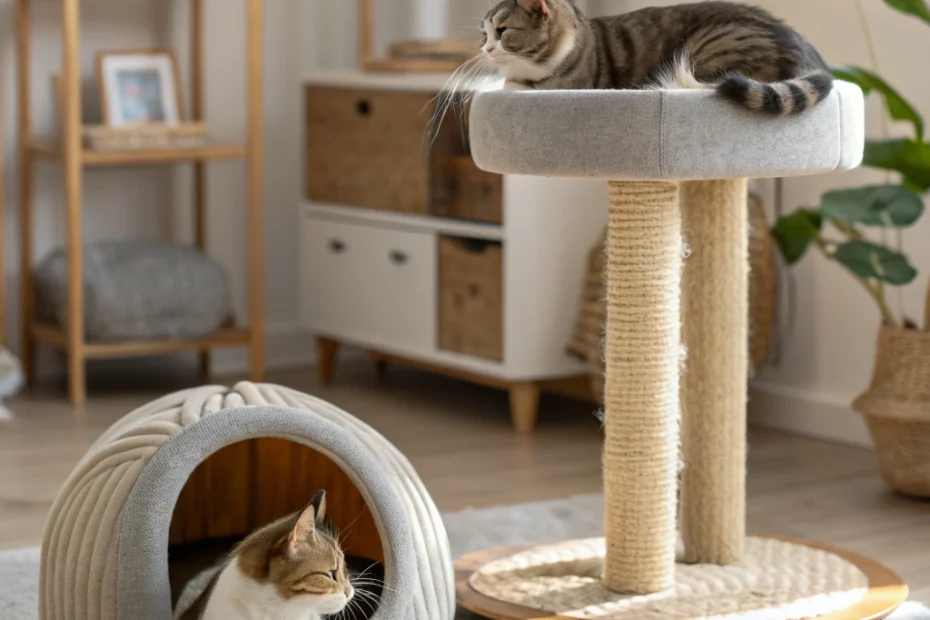
If you’re a cat owner, you’ve likely faced the challenge of protecting your furniture from claws, fur, and accidents. Furniture covers for cats offer a practical solution, safeguarding your sofas and chairs while maintaining your home’s aesthetic. In this guide, you’ll learn how to select the right covers, set them up safely, and integrate them into your home environment.
furniture covers for cats at a Glance: Key Facts for Cat Owners
Furniture covers are essential for cat owners who want to protect their home furnishings from damage. These covers are designed to withstand scratching, fur, and spills, making them a durable choice for any pet-friendly home.
Key benefits include:
- Protection from scratches and stains
- Easy to clean and maintain
- Available in various styles to match your decor
- Can extend the lifespan of your furniture
How to Choose
When selecting furniture covers for cats, consider several factors to ensure the best fit for your home and lifestyle.
Material and Durability
Opt for materials that are both durable and resistant to scratching. Microfiber, canvas, and leatherette are popular choices as they can handle wear and tear effectively.
Size and Fit
Ensure the cover fits snugly over your furniture. Measure your furniture’s dimensions and compare them to the cover’s specifications to avoid ill-fitting covers that can easily slip off.
Style and Color
Choose a cover that complements your existing decor. Many covers come in various colors and patterns, allowing you to maintain your home’s aesthetic.
Ease of Cleaning
Look for covers that are machine washable or easy to wipe clean. This feature is crucial for maintaining a hygienic environment for both you and your pets.
Safety & Setup
Setting up furniture covers safely is essential to prevent accidents and ensure your cat’s comfort. Here are some tips:
Secure the covers firmly to prevent slipping, which can cause falls or injuries. Many covers have straps or elastic bands to help keep them in place.
Introduce the covers gradually. Allow your cat to explore the new texture and smell before fully covering your furniture. This gradual introduction can minimize stress and encourage acceptance.
Monitor your cat’s interaction with the covers. Some cats may initially be curious or wary, so observe their behavior and adjust the setup as needed.
Core Pillars
Successfully using furniture covers involves a few core principles:
- Consistency: Regularly check and adjust the covers to ensure they remain secure and effective.
- Environment: Maintain a clean and comfortable space for your cat, ensuring the covers do not harbor dust or allergens.
- Monitoring: Keep an eye on your cat’s behavior and the condition of the covers to ensure they continue to serve their purpose.
- Adaptability: Be ready to try different styles or materials if your initial choice does not meet your needs or your cat’s preferences.
Placement & Environment Tips
Strategic placement of furniture covers can enhance their effectiveness and your cat’s comfort.
Place covers on high-traffic areas where your cat spends most of their time. This placement will maximize protection and minimize wear on your furniture.
Ensure the environment is calm and inviting. Use additional pet-friendly items like blankets or cat beds to create a cozy space that encourages your cat to relax on covered surfaces.
Regularly clean both the covers and the surrounding area. This practice can help keep your home fresh and reduce allergens.
Comparison with Alternatives
Furniture covers are just one option for protecting your home from cat-related wear and tear. Here’s how they stack up against alternatives:
Scratch Guards
Scratch guards are transparent panels that protect specific areas but may not cover the entire piece. They are less intrusive but may not match all decors.
Cat Furniture
Investing in dedicated cat furniture like scratching posts or cat trees can redirect your cat’s attention away from your main furniture. However, these items require space and might not fit every living arrangement.
Training and Behavior Modification
Behavior training can reduce the risk of furniture damage but requires time and patience. Covers offer immediate protection, making them a practical choice for many cat owners.
FAQs
What materials are best for furniture covers for cats?
Microfiber, canvas, and leatherette are excellent choices due to their durability and resistance to scratching.
Can furniture covers prevent all damage?
While they significantly reduce wear and tear, no cover can prevent all damage. Regular maintenance and monitoring are essential.
Are furniture covers machine washable?
Many are, but always check the manufacturer’s instructions to ensure proper care.
Will my cat accept furniture covers?
Most cats adapt well, especially if introduced gradually. Observe your cat’s behavior and adjust as needed.
Do furniture covers come in different styles?
Yes, they are available in various styles and colors to match your home’s decor.
Can furniture covers be used on all furniture types?
Most covers can fit standard sofas and chairs, but measure your furniture to ensure compatibility.
How do I keep the covers in place?
Look for covers with straps or elastic bands, and adjust them regularly to prevent slipping.
What to Do Next
Now that you understand the benefits and considerations of furniture covers for cats, you can make an informed decision about whether they are right for your home. Observe your cat’s behavior with the covers, and be ready to make adjustments as needed. Remember, the goal is to create a harmonious environment where both you and your cat can thrive.
Disclaimer: Always consult your veterinarian for personalized advice regarding your cat’s health.