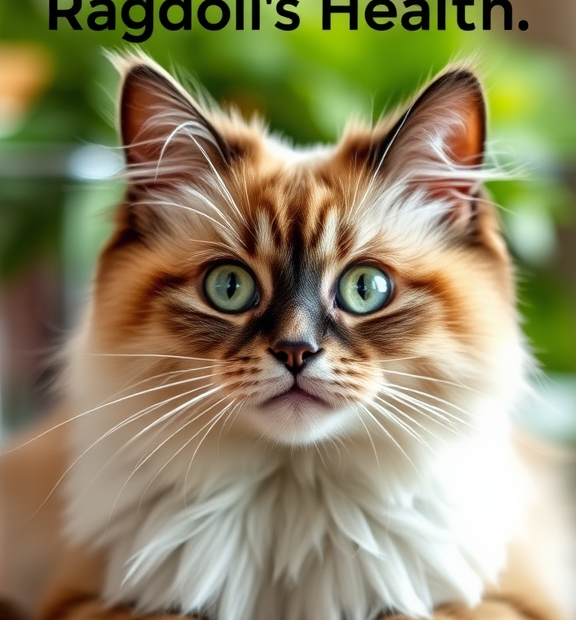
Healthy Eating Tips for Your Ragdoll Cat’s Optimal Health
Understanding Your Ragdoll Cat’s Nutritional Needs
Ragdoll cats are known for their gentle nature and striking appearance. To keep them healthy and thriving, it’s vital to pay close attention to their diet. Unlike other cats, Ragdolls can be prone to weight gain and certain health issues, making proper nutrition essential for their longevity. By offering a balanced diet rich in essential nutrients, you support their energy levels, coat quality, and overall well-being.
Protein plays a key role in your Ragdoll’s diet since cats are obligate carnivores. This means they require animal-based proteins such as chicken, turkey, or fish to maintain muscle mass and support healthy organ function. Additionally, taurine, an essential amino acid found in meat, is crucial for heart and eye health in cats. Ensuring sources of high-quality protein and taurine are included can help prevent common feline health problems.
Choosing the Right Food for Your Ragdoll
When selecting commercial cat food, opt for products formulated with natural ingredients and minimal fillers. Avoid foods with excessive grains, artificial colors, or preservatives, as these can disrupt your cat’s digestion and may lead to allergies or other issues. Wet food tends to provide better hydration, which is particularly important as many cats do not drink enough water on their own.
Key Nutrients to Look For:
- Protein: Aim for at least 35-40% protein content to meet your Ragdoll’s needs.
- Fat: Healthy fats from sources like fish oil support skin and coat health.
- Vitamins & Minerals: Balanced levels of calcium, phosphorus, and vitamins A, D, and E help with bone development and immune system function.
- Moisture: Wet foods generally have 70-80% moisture which aids urinary tract health.
Feeding Frequency and Portion Control
Overfeeding your Ragdoll cat can lead to obesity, which increases the risk of diabetes and joint problems. To prevent this, divide your cat’s daily food allowance into smaller, more frequent meals. Feeding twice a day is a helpful routine for many cat owners. It keeps your feline friend satisfied without encouraging overeating.
Use feeding guidelines provided on food packaging as a starting point, but always tailor portions based on your cat’s age, weight, and activity level. Keep an eye on their body condition—if your cat gains excess weight or appears lethargic, it’s time to adjust their food intake.
Healthy Treats and Supplements
Treats are a great way to bond with your cat, but they should be given sparingly and always be healthy. Avoid treats with excessive fillers or artificial ingredients. Instead, consider freeze-dried meat treats or small portions of cooked lean meats. These options provide nutritional value without unnecessary calories.
If you’re concerned about gaps in your Ragdoll’s diet, consult your veterinarian about supplements. Omega-3 fatty acids, for example, support healthy skin, reduce inflammation, and promote a glossy coat. Probiotics can also enhance digestion and gut health.
Tips to Encourage Healthy Eating Habits
- Consistent Feeding Schedule: Cats thrive on routine, so try to feed your Ragdoll at the same times each day.
- Fresh Water Access: Always provide clean, fresh water to encourage hydration, especially if feeding dry kibble.
- Avoid Human Foods: Many human foods are toxic to cats; keep your Ragdoll’s diet strictly feline-appropriate to prevent illness.
- Watch for Food Preferences: Some Ragdolls are picky eaters; experiment with flavors and textures to find what they enjoy without compromising nutrition.
Special Dietary Considerations for Ragdoll Cats
Because Ragdoll cats have a sedentary disposition compared to more active breeds, they may require fewer calories. It’s essential to monitor their weight and body condition regularly. If your veterinarian detects any health concerns such as urinary tract issues or allergies, they might recommend a specialized diet to address those conditions.
Avoid feeding raw diets without proper veterinary guidance, as this can expose your cat to bacterial contamination and nutritional imbalances. Cooked or properly processed foods are safer and more reliable for maintaining optimal health.
Regular Vet Checkups to Tailor Your Cat’s Diet
Every Ragdoll is different, and dietary needs may change over time. Regular veterinary visits allow you to track your cat’s health and adjust their diet accordingly. Your vet can recommend tests to assess nutritional status or identify any emerging health issues.
By staying proactive with your Ragdoll cat’s eating habits and nutrition, you set the foundation for a long, happy life filled with vitality and comfort.
Common Nutritional Mistakes to Avoid When Feeding Your Ragdoll Cat
Providing Balanced Nutrition for Ragdoll Cats
When feeding your Ragdoll cat, one of the most common mistakes is offering an unbalanced diet. These cats require nutrients in precise proportions to support their muscular build and plush coat. Avoid relying solely on dry kibble, especially if it lacks essential proteins and fats. Ragdolls benefit most from foods rich in high-quality animal proteins like chicken, turkey, or fish, which help maintain their muscle mass and energy levels. Additionally, healthy fats, such as omega-3 and omega-6 fatty acids, are vital for a shiny coat and skin health.
Overfeeding and Portion Control
Many Ragdoll owners unintentionally overfeed their pets, leading to obesity and related health problems. These cats have a laid-back personality, meaning they may not burn calories as quickly as more active breeds. To prevent weight gain, measure food portions carefully based on your cat’s weight, age, and activity level. Avoid free feeding, which is leaving food out all day, as it encourages constant eating and makes it hard to track how much your cat consumes daily.
Tips for managing portions:
- Follow feeding guidelines provided on your cat food packaging but adjust as needed depending on your cat’s condition.
- Split daily food allowance into two or three smaller meals to prevent overeating.
- Use a measuring cup to ensure exact portions each time.
Avoiding Toxic and Harmful Foods
Some foods that are safe for humans or even other pets can be toxic to cats. It’s a critical error to allow your Ragdoll to consume harmful ingredients such as onions, garlic, chocolate, caffeine, grapes, and raisins. These can lead to digestive upset, anemia, kidney failure, or even death. Additionally, many cats do not tolerate dairy products well, so avoid giving milk or cheese as treats. Always double-check if a new treat or supplement is safe for feline consumption before introducing it to your Ragdoll’s diet.
Insufficient Hydration and Wet Food Benefits
Many cat owners overlook hydration, assuming that cats get enough water through their food. However, Ragdolls especially need proper water intake to keep their urinary tract healthy. Cats naturally drink less water than dogs, which can put them at risk for bladder infections or kidney issues. wet food into your cat’s meals is an effective way to increase moisture consumption. Wet food contains high water content that contributes to hydration.
Ways to improve hydration include:
- Offering wet canned food at least once daily.
- Providing fresh, clean water bowls around the home.
- Using water fountains designed for cats to encourage drinking.
Ignoring Specific Dietary Needs Based on Age and Health
Your Ragdoll’s nutritional needs can change over time due to aging, health conditions, or lifestyle shifts. A common oversight is continuing the same diet throughout all life stages. Kittens, adults, and senior cats require different nutrients and calorie levels. For example, kittens need energy-dense food rich in protein and fat to support growth, whereas senior cats benefit from diets lower in calories but rich in joint-supporting supplements like glucosamine.
If your cat has special health conditions such as diabetes, allergies, or kidney disease, tailored diets or veterinary-prescribed foods might be necessary. Always consult your vet before making major changes to your cat’s menu or adding supplements.
Relying on Treats Without Moderation
Treats can be a wonderful way to bond with your Ragdoll, but giving too many or the wrong kinds can disrupt balanced nutrition. Some commercial cat treats are high in calories and low in essential nutrients. Excessive treat feeding can contribute to weight gain and nutritional imbalances. Limit treat intake to no more than 5-10% of daily calories and select options that complement your cat’s diet.
Skipping Regular Consultation with a Veterinarian
Neglecting to talk to a vet about your Ragdoll’s diet is a mistake many cat owners make. A professional can help you design an ideal feeding plan, watch for nutritional deficiencies, and recommend the best foods or supplements. Regular health checkups provide an opportunity to discuss dietary adjustments that keep your Ragdoll thriving.
Final Thoughts for Better Feeding Practices
Every Ragdoll cat deserves a diet that meets its unique needs to ensure longevity and happiness. Avoiding these common nutritional mistakes will help you provide optimal care. Focus on quality protein sources, balanced meals, proper hydration, and customization based on age and health. With consistent attention and a thoughtful feeding strategy, your Ragdoll will enjoy robust health and vibrant energy throughout their life.
Conclusion
Caring for your Ragdoll cat’s diet is one of the most important steps you can take to ensure they live a happy, healthy life. By focusing on balanced nutrition tailored specifically to your Ragdoll’s needs, you help support their unique physiology and long-term wellness. Providing high-quality proteins, healthy fats, and essential vitamins and minerals will keep your cat’s coat glossy, their energy levels steady, and their immune system strong.
Avoiding common nutritional mistakes is equally critical. Overfeeding, relying heavily on fillers, and neglecting hydration can lead to serious health problems for your Ragdoll. Remember to steer clear of foods that contain artificial additives or ingredients that are hard for them to digest. Instead, opt for natural, vet-approved options that promote optimal digestion and overall vitality.
Ultimately, knowing how to feed your Ragdoll cat well equips you to prevent common health issues related to poor nutrition. When you prioritize these healthy eating tips and remain mindful about what your furry friend consumes, you give them the best chance to thrive. Your Ragdoll will not only look their best but feel their best too — full of life and ready to share many wonderful moments by your side.