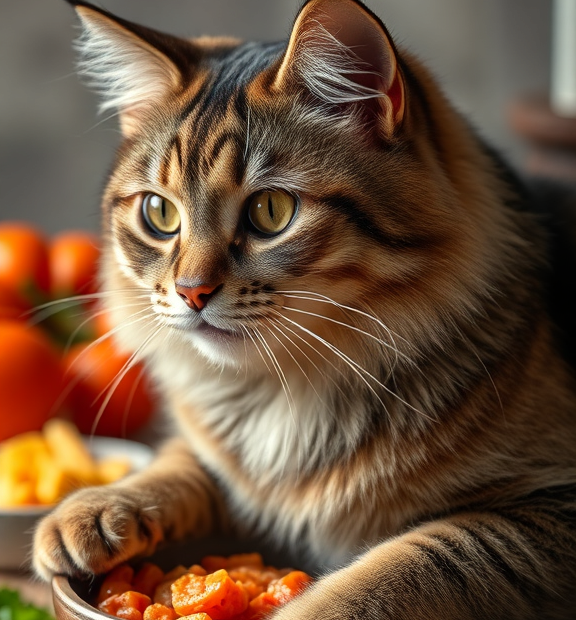
Creating a Balanced Homemade Kidney Diet for Cats
Taking care of a cat’s health is a priority for every pet owner, especially when it comes to their kidneys. If your feline friend is facing kidney issues, creating a balanced homemade kidney diet can be a wonderful way to manage their condition. A well-structured diet can help support your cat’s kidney function, improve their quality of life, and keep them happy.
When crafting a homemade kidney diet for your cat, you need to focus on the nutrients they need while limiting certain harmful ones. Here are essential components to include:
- High-Quality Protein: Cats are obligate carnivores, meaning they thrive on animal protein. However, in renal failure, it’s crucial to provide high-quality proteins in moderation to reduce the workload on the kidneys. Sources like chicken, turkey, and lean fish are great options.
- Low Phosphorus: Elevated phosphorus can worsen kidney disease. Aim to use meats with lower phosphorus content and avoid feeding your cat organ meats, which are higher in phosphorus.
- Controlled Sodium: Lower sodium levels help prevent hypertension, which is common in cats with kidney disease. Avoid adding salt or using processed foods.
- Appropriate Fats: Healthy fats, such as omega-3 fatty acids, can promote kidney health. Fish oil is excellent for adding omega-3 to your cat’s diet.
- Increased Water Intake: Hydration is essential. You can boost your cat’s moisture intake by including wet food in their diet or by adding water to their homemade meal.
Creating the right recipes is crucial. Here are some simple ideas:
- Chicken and Pumpkin Mash:
- 1 cup cooked chicken (shredded)
- ½ cup plain pumpkin puree (not pie filling)
- 1 tablespoon fish oil
Mix all ingredients to create a palatable and nutritious mash. This dish is rich in healthy protein and moisture.
- Turkey and Sweet Potato Bowl:
- 1 cup cooked turkey (diced)
- ½ cup cooked sweet potato (mashed)
- 1 tablespoon flaxseed oil
This recipe provides lean protein and healthy fats, along with fiber from the sweet potato.
Always remember to consult your veterinarian before making significant changes to your cat’s diet. Regular check-ups are vital to monitor kidney function and ensure the diet effectively meets their needs. They may also recommend specific supplements to support kidney health.
If your cat is finicky or resistant to dietary changes, here are a few tips to help them adjust:
- Gradual Transition: Introduce new foods slowly by mixing them with their regular diet. This helps your cat get used to the new flavor and texture without overwhelming their system.
- Temperature Matters: Cats often prefer food slightly warmed. It’s beneficial to warm their meals to enhance aroma and encourage them to eat.
- Variety is Key: Rotate recipes to keep your cat interested. Changing up flavors and textures will prevent boredom, making mealtime more enjoyable.
Monitoring how your cat responds to their new diet is essential. Look for signs of improvement like increased activity, better hydration, and regular bathroom habits. However, it’s equally important to keep an eye out for any adverse reactions, such as vomiting or refusal to eat.
Creating a balanced homemade kidney diet for your cat can be rewarding and greatly beneficial. With the right knowledge and preparation, you can provide a nourishing diet that supports your cat’s kidney health while also keeping them satisfied. Enjoy the process of tailoring their meals; it’s a fantastic way to show your love and care for your furry friend.
Common Ingredients to Include and Avoid in Cat Kidney Diets
When crafting a homemade kidney diet for your cat, it’s vital to choose ingredients wisely. Cats with kidney disease require a balanced diet that supports their specific health needs. Understanding what to include and what to avoid can significantly enhance your cat’s quality of life.
Common Ingredients to Include
Choosing the right ingredients can help manage your cat’s kidney health effectively. Here are some beneficial options:
- Lean Proteins: Offer high-quality proteins, such as chicken breast or turkey. These proteins should be low in phosphorus, which is essential for cats with kidney issues.
- Cooked Fish: Fish like salmon can be a healthy source of omega-3 fatty acids. Omega-3s can improve kidney function and reduce inflammation.
- Eggs: Eggs are an excellent protein source and low in phosphorus. They can be easily digested and help provide necessary nutrients.
- Vegetables: Incorporate non-starchy vegetables like carrots and green beans. These can provide essential vitamins without overloading the kidneys with excessive phosphorus.
- Rice and Potatoes: Cooked white rice and sweet potatoes are good carbohydrate sources that offer energy without adding strain to the kidneys.
- Broth: Low-sodium broth can help keep your cat hydrated, which is crucial for kidney function. It also adds flavor to the food, making it more appealing.
- Supplements: Consider adding supplements like B vitamins and probiotics, which can support kidney function and overall health.
Moderation is key; always consult your veterinarian about appropriate serving sizes based on your cat’s specific health needs and weight.
Common Ingredients to Avoid
While some ingredients benefit kidney health, others can be harmful. It’s essential to identify what’s best to keep out of your homemade kidney diet.
- High-Phosphorus Foods: Avoid ingredients like organ meats (liver and kidney) and certain fish, as these can be too rich in phosphorus.
- Processed Foods: Commercial cat foods often contain additives and preservatives that can be detrimental to kidney health. Avoid anything that doesn’t fit a natural diet.
- Sodium: High-sodium foods can lead to hypertension and further stress the kidneys. Steer clear of processed meats or anything with added salt.
- Dairy Products: Many cats are lactose intolerant, and dairy can lead to digestive issues and doesn’t offer necessary proteins for kidney health.
- Grains: Avoid grains, especially wheat and corn, as these can lead to increased phosphorus levels. While some carbs are necessary, grains in excess can create problems.
Being mindful of what ingredients to include and avoid is critical in managing your cat’s health journey. Always keep in touch with your veterinarian to adjust the diet based on your cat’s progress.
Practical Tips for Preparing Homemade Kidney Diets
Here are some practical tips for preparing a balanced homemade kidney diet for your cat:
- Cook Thoroughly: Always cook meats and fish to eliminate harmful bacteria. Cooking also makes proteins easier for your cat to digest.
- Portion Control: Serve appropriate portions based on your cat’s weight and health needs. Excessive food can lead to obesity, which is harmful for cat kidney health.
- Consult Regularly: Regular check-ups with your vet will help monitor your cat’s kidney function and adjust the diet accordingly.
- Mix it Up: Vary your cat’s diet regularly by changing protein sources and vegetables; this can help avoid food boredom and ensure a wide range of nutrients.
By being proactive in selecting and preparing your cat’s food with these insights, you can help support your furry friend through their kidney health challenges. Remember, every cat is unique, so a personalized approach is essential!
Conclusion
Crafting a balanced homemade kidney diet for your cat is a crucial step toward enhancing their health and quality of life. It’s essential to include ingredients that support kidney function while being careful to avoid those that can exacerbate kidney issues. Foods rich in high-quality proteins, omega-3 fatty acids, and low phosphorus levels can greatly benefit your feline friend. ingredients like chicken, turkey, and certain vegetables can provide essential nutrients to support overall well-being.
Understanding which foods to avoid can also make a significant impact. Ingredients high in sodium, phosphorus, and unhealthy fillers can be detrimental to a cat with kidney concerns. It is vital to steer clear of processed foods, as these often contain additives that can harm kidney function. Always consult your veterinarian before making any changes to your cat’s diet. Their expertise can help you design a meal plan tailored to your pet’s specific needs.
As you embark on this journey of creating a homemade kidney diet, always observe your cat’s response. Each pet is unique, and what works for one may not work for another. Pay attention to their energy levels, appetite, and overall condition as you adjust their meals. A well-constructed homemade kidney diet can elevate your cat’s health and happiness, fostering a longer, more vibrant life. Your commitment to their dietary needs is a vital part of their care, solidifying the bond you share and ensuring they thrive for years to come.