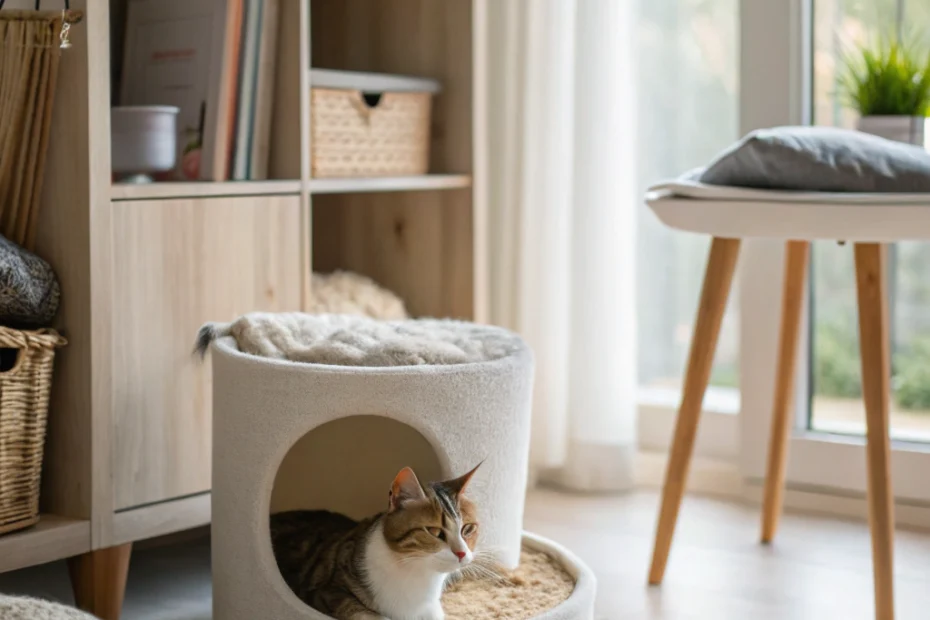
If you’re asking yourself, “how do I stop a cat from scratching furniture?”, you’re not alone. Many cat owners face this challenge. This article will guide you through understanding why cats scratch and provide practical solutions to protect your furniture while keeping your feline friend happy.
how do i stop a cat from scratching furniture at a Glance: Key Facts for Cat Owners
Scratching is a natural behavior for cats, necessary for maintaining their claws and marking territory. However, when your furniture becomes their target, it can be frustrating. Here are some key facts:
- Cats scratch to remove dead outer layers of their claws.
- Scratching helps cats stretch their bodies and flex their feet and claws.
- It’s a way for cats to mark their territory visually and with scent glands in their paws.
- Providing appropriate alternatives can redirect this behavior.
How to Choose
Choosing the right solutions to stop a cat from scratching furniture involves understanding your cat’s habits and preferences. Consider these factors:
Understanding Your Cat’s Preferences
Observe where and how your cat likes to scratch. Do they prefer vertical or horizontal surfaces? Soft or rough textures? This knowledge will help you select the right alternatives.
Types of Cat Furniture
There are various types of cat furniture designed to satisfy scratching needs:
- Scratching Posts: Available in different materials like sisal, carpet, and cardboard.
- Cat Trees: Serve as a multi-functional piece for scratching, climbing, and resting.
- Scratch Mats: Ideal for cats that prefer horizontal scratching.
Safety & Setup
Setting up your cat’s scratching furniture safely and effectively is crucial. Here are some tips:
- Ensure the scratching posts or cat trees are stable and won’t tip over.
- Place them in areas where your cat spends a lot of time.
- Introduce new items gradually, encouraging use with toys or treats.
- If your cat shows disinterest, try rubbing catnip on the scratching surface.
Monitor your cat’s interaction with the new items to ensure they’re used safely.
Core Pillars
To successfully stop a cat from scratching furniture, focus on these core pillars:
Consistency
Consistent reinforcement is key. Encourage your cat to use scratching alternatives every time they attempt to scratch furniture.
Reward-Based Training
Use treats and praise to reward your cat when they use the appropriate scratching surfaces.
Understanding Behavior
Recognize that scratching is a natural behavior. Instead of trying to stop it, redirect it to suitable outlets.
Placement & Environment Tips
Strategic placement of scratching furniture can greatly influence its use:
- Place scratching posts near the furniture your cat loves to scratch.
- Ensure easy access to the scratching surfaces in different rooms.
- Keep the environment stress-free; a stressed cat may scratch more.
- Maintain cleanliness; regularly vacuum cat furniture to remove fur and debris.
Comparison with Alternatives
Here are some alternative methods to consider if cat furniture doesn’t fully solve the problem:
Soft Claws
These are plastic caps that fit over your cat’s claws to prevent damage. While effective, they require regular maintenance.
Deterrent Sprays
These sprays can be applied to furniture to make it less appealing to scratch. However, not all cats respond to them.
Training and Redirection
Training your cat with gentle deterrence and rewards for using scratching posts can be effective but requires patience.
Each method has its pros and cons, and the best choice depends on your cat’s specific behaviors and needs.
FAQs
Why do cats scratch furniture?
Cats scratch to maintain their claws, mark territory, and stretch their bodies. It’s a natural and necessary behavior.
Can I completely stop my cat from scratching?
It’s unlikely to stop a cat from scratching altogether, but you can redirect the behavior to appropriate surfaces.
What materials are best for scratching posts?
Sisal is a popular choice due to its durability, but some cats prefer carpet or cardboard.
How can I encourage my cat to use a scratching post?
Place the post in a popular area, use catnip, and reward your cat when they use it.
Are there any risks with using claw caps?
Claw caps are safe if applied correctly, but they need replacing every 4–6 weeks. Consult a vet if you’re unsure.
What to Do Next
Understanding how to stop a cat from scratching furniture is about observation and providing appropriate alternatives. Monitor your cat’s behavior and adjust your approach as needed. A partnership with your veterinarian can also offer guidance tailored to your cat’s needs. By focusing on these strategies, you can maintain a harmonious home environment while respecting your cat’s natural behaviors.
Disclaimer: Always consult your veterinarian for personalized advice regarding your cat’s health.