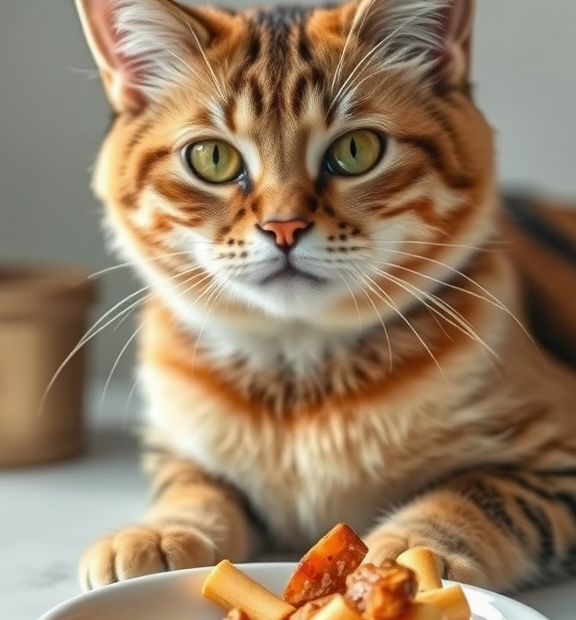
Effective Ways to Encourage Your Floppy Cat to Eat More
Understanding Why Your Cat Might Eat Less
When your cat suddenly shows less interest in food, it can be worrying. Cats, especially those who are usually lively and attentive, may eat less for various reasons. These can include stress, illness, dental problems, or changes in their environment. Recognizing these causes is key to encouraging your floppy cat to eat more successfully. Before making any major changes, it’s important to consult a veterinarian to rule out serious health issues.
Creating a Comfortable Feeding Environment
Many cats are sensitive to their surroundings when eating. Offering food in a quiet, low-traffic area where your cat feels safe can boost their appetite. Consider the following tips to create a welcoming feeding space:
- Place food bowls away from loud noises or busy household activities.
- Use shallow dishes to accommodate cats that dislike deep bowls.
- Keep the feeding area clean to encourage a positive association with mealtime.
By reducing stress around feeding time, your floppy cat is more likely to feel relaxed, which can encourage them to eat more.
Choosing the Right Food to Stimulate Appetite
The type of food you offer plays a crucial role in enticing your cat to eat. Cats often prefer fresh, high-quality wet food because it is easier to smell and chew. If your cat has dental issues or seems floppy and weak, softer foods may be more appealing. Here are some ways to optimize the food choice:
- Warm the wet food slightly to enhance its aroma.
- Mix dry kibble with wet food to add texture variety.
- Try rotating flavors to spark curiosity and interest in meals.
Be mindful of your cat’s preferences and monitor how they respond to different textures and flavors.
Enhancing Food Appeal with Simple Additions
Adding small amounts of tasty and safe enhancers can make meals more enticing. These might include:
- A bit of warm chicken broth (without onions or garlic).
- Special cat treats crushed and mixed into the food.
- A small amount of canned tuna or salmon (in water).
Enhancers should never replace a balanced diet but can help revive interest in eating, especially during periods when your cat is less active and floppy.
Establishing Consistent Feeding Times
Cats thrive on routine, and setting consistent meal times can help regulate their appetite. Try feeding your furry friend at the same times every day. This predictability can reduce anxiety and encourage regular eating patterns. If your cat receives multiple small meals throughout the day rather than one or two large ones, it may find it easier to eat more consistently.
Encouraging Activity to Boost Appetite
Increased movement can naturally increase hunger. Encourage gentle play and exercise to help your floppy cat regain energy and interest in food. Use toys like feather wands or laser pointers to stimulate activity, which can help with digestion and metabolism. However, ensure that play sessions are not overwhelming or stressful, as that could reduce appetite.
Monitoring Health and Behavior Closely
Watching for signs such as continued lethargy, vomiting, or refusal to eat is critical. If your cat’s eating habits do not improve despite your efforts, a vet visit becomes essential. Keep a log of your cat’s feeding times, amounts eaten, and any behavioral changes to provide useful information for your vet. Early intervention can prevent more serious health problems and help your floppy cat regain its strength.
Using Hydration to Support Appetite and Health
Proper hydration is just as important as eating for a cat’s well-being. Offering fresh water daily and encouraging fluid intake through wet food can stimulate hunger. Some cats may enjoy drinking from pet fountains, which can intrigue them and help keep them hydrated. Healthy hydration supports digestion and can indirectly encourage eating.
When to Seek Veterinary Assistance
If your floppy cat continues to eat significantly less or shows signs of illness such as weight loss, vomiting, or unusual behavior, don’t delay veterinary care. A specialist can provide appropriate treatments or recommend appetite stimulants if necessary. Professional guidance ensures your cat remains healthy and returns to its usual energetic self as soon as possible.
Understanding the Causes Behind a Floppy Cat’s Low Appetite
If your cat suddenly appears floppy and less interested in food, it’s important to understand what might be causing this low appetite. Cats are known for their independent nature, but changes in their eating habits often signal underlying issues that need your attention. When a cat’s appetite decreases, it can be due to a variety of physical, emotional, or environmental factors. Recognizing these causes can help you provide the right care to encourage your furry friend to eat more and regain their energy.
Physical Health Issues Affecting Appetite
One of the most common reasons behind a cat’s reduced desire to eat is illness. Just like humans, cats often lose their appetite when they’re unwell. Some health concerns that can make a cat floppy and unwilling to eat include:
- Dental problems: Painful teeth or gums can make eating uncomfortable, causing your cat to avoid food.
- Gastrointestinal issues: Stomach upset, inflammation, or infections may reduce hunger and lead to vomiting or diarrhea.
- Kidney disease: This is common in older cats and can decrease appetite while causing lethargy.
- Infections: Viral or bacterial infections can significantly impact energy levels and hunger.
- Chronic pain: Arthritis or injury can leave a cat feeling too weak or uncomfortable to eat regularly.
If your cat shows signs like vomiting, diarrhea, drooling, weight loss, or obvious discomfort, it’s best to consult a veterinarian as soon as possible to pinpoint the problem and begin treatment.
Emotional Stress and Its Role in Appetite
Cats are very sensitive to changes in their environment and routine. Emotional stress plays a huge role in their eating habits. A floppy cat may be unwilling to eat due to stressors such as:
- New pets or people in the home.
- Changes to their living environment, like moving to a new house or rearrangement of furniture.
- Lack of interaction or stimulation. Boredom or loneliness can reduce interest in food.
- Loud noises or disruptions, which can frighten or unsettle your pet.
To help a stressed cat regain its appetite, try to maintain a consistent feeding schedule, provide a quiet safe space, and engage them in gentle play or bonding activities.
Environmental and Dietary Factors Influence Eating Habits
Your cat’s environment and diet also have a direct impact on their willingness to eat. Some potential causes related to these include:
- Unappealing food: Cats may refuse food that’s stale, spoiled, or that they have recently grown tired of.
- Sudden diet changes: Abruptly switching to a different brand or flavor without gradual introduction can cause rejection.
- Feeding location issues: Noise, bright lights, or the presence of other animals near their feeding area can create anxiety.
- Improper feeding temperature: Cats often prefer their food served at room temperature, and cold food straight from the fridge can be off-putting.
- Restricted access: Limited food availability or restrictive feeding times may cause inconsistent appetite.
Assessing and improving these environmental factors can greatly encourage your floppy cat to eat more consistently.
Age-Related Changes Impacting Appetite and Energy
As cats age, their metabolism slows down and their nutritional needs shift, sometimes leading to reduced appetite and energy. Senior cats might develop decreased taste sensitivity or dental issues that make eating less enjoyable. Additionally, underlying conditions like hyperthyroidism or diabetes, which are more common in older cats, can also affect how much they want to eat.
Medications and Treatments Affecting Eating Patterns
If your floppy cat is currently taking medications or undergoing treatment for any condition, these can sometimes suppress appetite as a side effect. For example, painkillers, antibiotics, or chemotherapy drugs may cause nausea or changes in taste, discouraging your cat from eating normally. Always discuss these effects with your veterinarian to explore appetite-stimulating options or alternative treatments.
Recognizing Early Signs and Taking Action
Being observant of your cat’s behavior and appetite changes is key to addressing any issues quickly. If your cat is floppy or lethargic and eating less than usual, try to:
- Monitor food and water intake carefully.
- Observe for other signs such as vomiting, diarrhea, or weight loss.
- Note changes in bathroom habits, grooming, or behavior.
- Visit the veterinarian promptly if low appetite continues for more than a day or two.
Early diagnosis can ensure your cat receives proper care, helping to restore their appetite and improve overall health.
Understanding the reasons behind your floppy cat’s low appetite can be challenging, but it’s crucial for their wellbeing. Always approach changes in eating habits with patience and care, and don’t hesitate to seek professional advice. Your cat’s comfort and health depend on identifying the cause and providing the right support.
Conclusion
Helping your floppy cat eat more starts with understanding the root causes of their low appetite. Whether stress, illness, or dental problems are to blame, recognizing these issues allows you to take the right steps for your cat’s health. By offering appealing, nutrient-rich food and creating a calm feeding environment, you can gently encourage your cat to eat more without causing them stress or discomfort.
Small changes like warming food, trying different textures, or feeding smaller, more frequent meals can make a big difference in your cat’s willingness to eat. Paying attention to your pet’s preferences and behavior shows that you care and helps build trust during mealtimes. Always keep an eye on any ongoing appetite changes and talk to a veterinarian when needed, as persistent low appetite may signal an underlying health issue.
Your floppy cat’s well-being depends on a balanced diet and proper care, so combining empathy with practical feeding strategies is key. Through patience and understanding, you can support your cat’s eating habits and help them regain strength and happiness, making mealtimes a positive experience for both of you.