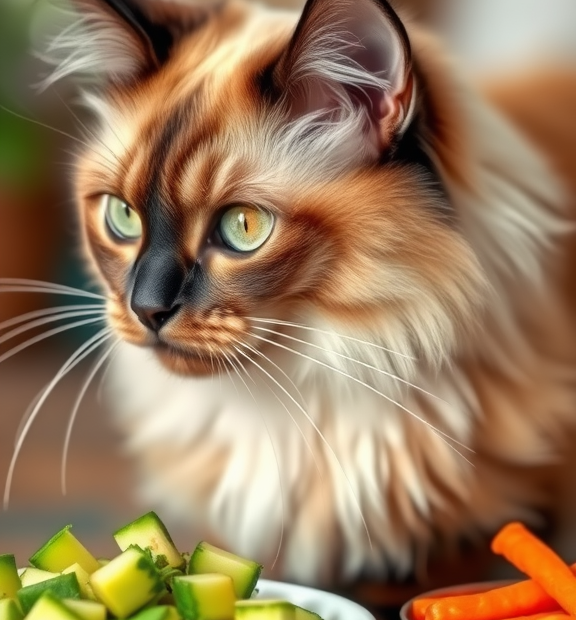
How to Ensure Your Ragdoll Cat Gets a Balanced, Nutritious Diet: Key Nutritional Needs and Food Choices
Understanding Your Ragdoll Cat’s Nutritional Needs
Ragdoll cats are known for their gentle temperament and striking blue eyes, but to keep them healthy and vibrant, you need to focus on their diet. Ensuring that your Ragdoll cat receives a balanced, nutritious diet is essential for supporting their overall well-being, energy levels, and longevity. Like all cats, Ragdolls are obligate carnivores, meaning their diet should primarily consist of animal-based proteins. Providing the right balance of proteins, fats, vitamins, and minerals will ensure your feline friend thrives throughout all stages of life.
What Should a Balanced Diet for Ragdoll Cats Include?
A well-rounded diet for your Ragdoll should cover several key nutritional components that help maintain muscle mass, promote a healthy coat, and support vital organ functions. Here are the core nutrients to focus on:
- High-Quality Protein: Protein is the foundation of your cat’s diet. Choose foods rich in animal proteins like chicken, turkey, or fish, as these contain essential amino acids such as taurine that cats cannot synthesize on their own.
- Fats: Healthy fats provide energy and help maintain a shiny, soft coat. Omega-3 and omega-6 fatty acids are especially important for reducing inflammation and supporting skin health.
- Carbohydrates: Cats have limited ability to digest carbs. Moderate carbohydrate content sourced from grains or vegetables can supply fiber but should never be the primary energy source.
- Vitamins and Minerals: Essential micronutrients such as vitamins A, D, E, calcium, and potassium support immune function, bone development, and overall metabolic health.
- Water: Proper hydration is vital. Wet food or a combination of wet and dry food ensures your Ragdoll stays hydrated and reduces risks associated with urinary tract problems.
Choosing the Right Food Types for Your Ragdoll
When selecting food for your Ragdoll cat, it’s important to consider the form, quality, and ingredients of the products available in the market. Here are some options to help guide your decision:
Wet Food
Wet food generally contains higher moisture content, which is beneficial for hydration. It is often more palatable, making it a good choice for picky eaters or cats with dental issues. Wet foods also mimic a natural diet more closely because they often have higher protein and lower carbohydrate content.
Dry Food
Dry cat food is convenient and helps keep teeth cleaner due to its crunchy texture. However, it tends to contain more carbohydrates and less moisture, so it’s important to balance it with fresh water or wet food to prevent dehydration.
Raw or Homemade Diets
Some owners prefer preparing a raw or homemade diet to have full control over ingredients. If you choose this route, consult your veterinarian to ensure the diet is nutritionally complete and safe, as unbalanced meals can cause serious health issues.
How to Transition Your Ragdoll to a Healthy Diet
Introducing new foods should be done gradually to avoid digestive upset. Start by mixing small amounts of the new food with the current diet and slowly increase the ratio over a week or two. Observe your Ragdoll’s reactions, such as appetite, stool quality, and energy levels, during this period.
Special Dietary Considerations for Ragdolls
Ragdolls may have specific health concerns like obesity due to their calm lifestyle, so caloric intake should be carefully monitored. Selecting weight-appropriate foods with controlled fat content and providing regular playtime can prevent excess weight gain. Additionally, monitoring for allergies or food sensitivities and opting for limited ingredient or grain-free options can be helpful for sensitive cats.
Tips for Maintaining Your Cat’s Nutritional Health
- Regular Feeding Schedule: Consistency helps regulate digestion and prevents overeating.
- Use High-Quality Brands: Look for foods with named meat sources and minimal fillers.
- Monitor Weight and Condition: Regularly check your cat’s body weight and consult your vet for ideal targets.
- Fresh Water Availability: Always provide clean, fresh water to ensure adequate hydration.
- Periodic Vet Check-ups: Routine veterinary visits help catch nutritional deficiencies or health problems early.
Recognizing Signs of Poor Nutrition
Being alert to signs that your Ragdoll isn’t receiving proper nutrition can protect them from long-term issues. Watch for symptoms like dull coat, lethargy, weight loss, vomiting, diarrhea, or changes in appetite. Any of these issues warrant a veterinarian’s attention for dietary assessment.
Ensuring your Ragdoll cat gets a balanced, nutritious diet involves selecting high-quality foods that meet their carnivorous needs, carefully managing portion sizes, and staying attentive to their health signals. By prioritizing their dietary needs, you’ll help maintain their beautiful appearance, energetic nature, and happy disposition for years to come.
Common Dietary Mistakes to Avoid When Feeding Your Ragdoll Cat for Optimal Health
Understanding Your Ragdoll Cat’s Unique Nutritional Needs
Your Ragdoll cat is a stunning breed, known for its affectionate nature and striking blue eyes. To keep your feline friend in top shape, a balanced and nutritious diet is crucial. However, many owners make common feeding errors that can compromise their Ragdoll’s health and well-being. Recognizing these mistakes early can help you provide a better diet tailored specifically for your Ragdoll’s needs.
Avoid Overfeeding and Obesity Risks
One frequent mistake is overfeeding. Ragdolls are prone to gaining weight because of their laid-back personalities and relatively low activity levels. Excess calories can lead to obesity, which increases the risk of diabetes, joint problems, and heart issues.
To avoid overfeeding, measure your cat’s portions carefully. Use feeding guidelines on commercial cat foods as a starting point but adjust portions based on your cat’s age, activity level, and body condition. A leaner physique means a healthier, happier Ragdoll.
Beware of an Imbalanced Diet
Another mistake is feeding a diet that lacks essential nutrients or has an unbalanced ratio of protein, fats, and carbohydrates. Ragdolls, like all cats, are obligate carnivores. They require high-quality protein from animal sources to thrive. Low-protein diets or those heavy in plant-based ingredients can result in nutrient deficiencies, poor coat condition, and reduced energy.
Look for foods that list a named meat (such as chicken, turkey, or fish) as the first ingredient. Avoid foods with excessive fillers like corn, wheat, or soy because they provide little nutritional value and can cause digestive upset.
The Problem with Relying Solely on Dry Food
Many cat owners feed dry kibble exclusively, which can be problematic for Ragdolls. Dry food is often low in moisture, and since cats naturally have a low thirst drive, they may not drink enough water to stay properly hydrated.
Insufficient hydration can lead to urinary tract problems and kidney issues, both common in cats. Incorporate wet food or canned meals into your Ragdoll’s diet to increase water intake. Even adding a little water to dry food can help improve hydration.
Feeding Human Food and Toxic Ingredients
While sharing table scraps may seem like a treat, certain human foods are dangerous for cats. Foods like onions, garlic, chocolate, caffeine, and alcohol can cause severe health problems or even be fatal to your pet.
Also avoid feeding raw meat or fish unless properly prepared, as they pose risks of bacteria or parasites. Focus on providing a diet specifically formulated for cats to ensure safety and completeness.
Lack of Consistency in Feeding Schedules
Irregular feeding times or unlimited free-feeding can disrupt your Ragdoll’s metabolism and weight management. Maintaining consistent meal times helps regulate digestion and can prevent begging or overeating between meals.
Ideally, divide the daily food allowance into two or three smaller meals at set times. This practice supports better portion control and keeps your cat’s energy steady throughout the day.
Failing to Monitor Changes in Appetite or Weight
Ignoring changes in your Ragdoll’s eating habits can delay the detection of health problems. A sudden increase or decrease in appetite, weight gain, or loss might indicate underlying issues such as dental problems, infections, or metabolic disorders.
Regularly monitoring your cat’s appetite and physical condition allows for early identification of problems and timely veterinary care. Keep a feeding journal if needed to track these changes efficiently.
Ignoring Life Stage and Special Dietary Needs
Feeding your Ragdoll the same diet throughout its life can lead to nutritional imbalances. Kittens, adults, and seniors have different dietary requirements. For example, kittens need more calories and specific nutrients to support growth, while seniors benefit from diets that promote kidney health and joint support.
Consult your veterinarian to adjust your cat’s diet as it ages or develops special health conditions. Tailored nutrition contributes to a longer, healthier life for your Ragdoll.
Trusting All Commercial Foods Equally
Not all cat foods are created equal. Some lower-quality commercial diets contain excessive preservatives, artificial colors, and low-quality protein sources. These factors can negatively impact long-term health, coat quality, and energy levels.
Prioritize reputable brands with transparent ingredient lists, high-quality protein, and scientifically balanced formulas. Consider investing in premium or veterinary-recommended diets to support your Ragdoll’s optimal health.
Practical Tips for Feeding Your Ragdoll a Balanced Diet
- Consult your vet: Discuss your cat’s dietary needs and any concerns regularly.
- Choose high-protein, grain-free options: Aim for diets designed for obligate carnivores.
- Mix wet and dry food: Boost hydration and feeding variety.
- Measure meals: Avoid obesity by controlling portions.
- Feed consistent meals: Set fixed feeding times to promote digestion and weight control.
- Avoid harmful foods: Never feed onions, garlic, chocolate, or raw meat without guidance.
- Monitor health: Watch for appetite or weight changes and schedule routine vet checkups.
By steering clear of these common dietary mistakes, you ensure your Ragdoll cat receives a balanced, nutritious diet that supports their unique health needs. Proper nutrition enhances their beautiful coat, energy, and overall happiness, strengthening the loving bond you share with your feline companion.
Conclusion
Feeding your Ragdoll cat a balanced, nutritious diet is one of the most important steps you can take to support their long-term health and happiness. Understanding your cat’s key nutritional needs—like high-quality protein, essential fats, vitamins, and minerals—helps you make smarter food choices tailored to their unique physiology. By selecting foods specifically formulated for cats, or consulting with a veterinarian for personalized advice, you can ensure your Ragdoll gets the right mix of nutrients to maintain a shiny coat, strong muscles, and a healthy immune system.
At the same time, staying aware of common dietary mistakes can prevent unnecessary health issues. Avoid feeding your Ragdoll low-quality foods, excessive treats, or too much human food, which can cause obesity or digestive problems. Also, don’t overlook the importance of fresh, clean water and proper portion control to keep your cat’s weight in check. Remember, sudden diet changes or improper supplements can upset your cat’s balance, so any modifications to their diet should be gradual and monitored.
By combining knowledge of essential nutrients with mindful feeding habits, you create a strong foundation for your Ragdoll cat’s well-being. Caring for their diet not only boosts their physical health but also supports their playful and affectionate personality for years to come. With attention and care, you can enjoy a happy, healthy companion whose nutrition supports every stage of their life.