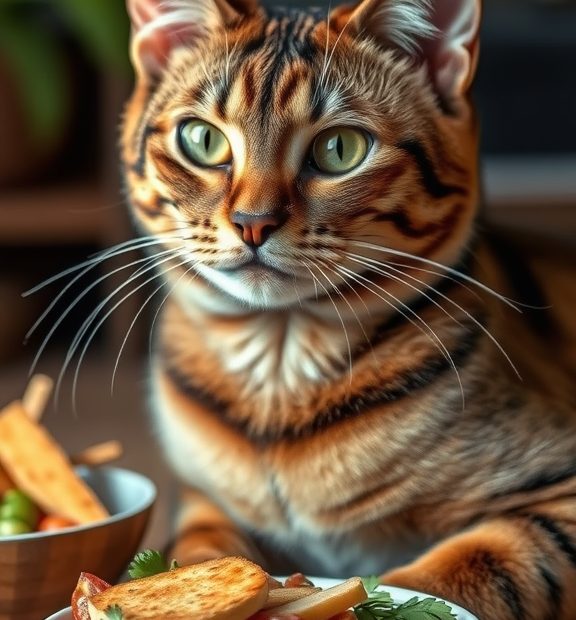
How to Feed Your Abyssinian Cat the Right Diet for Maximum Health
Abyssinian cats are known for their elegant appearance, striking coat, and lively personality. With such an active and curious nature, they require a diet that supports their energy levels, maintains lean muscle, and promotes overall well-being. Feeding your Abyssinian cat the right diet is crucial to keeping them healthy, happy, and thriving throughout their life.
Understanding the Nutritional Needs of Abyssinian Cats
Abyssinians are highly active cats, often described as playful and intelligent. Their metabolism tends to be faster than some other breeds, which means they need balanced nutrition that sustains their energy without leading to weight gain. Protein is essential because it supports muscle development and helps meet their high activity demands.
A high-quality diet geared toward Abyssinian cats must provide:
- High protein content: Cats are obligate carnivores, meaning their diet should be rich in animal protein, such as chicken, turkey, fish, or beef.
- Moderate fats: Healthy fats, particularly omega-3 and omega-6 fatty acids, strengthen their skin and coat, helping to maintain the Abyssinian’s characteristic shiny, short fur.
- Low carbohydrates: Unlike humans, cats have a limited ability to digest carbohydrates. Too many carbs can result in obesity or digestive issues.
- Essential vitamins and minerals: Including taurine, an amino acid crucial for heart function and vision, alongside vitamins A, E, and B-complex supports overall health.
Choosing Between Wet and Dry Food for Your Abyssinian
Many cat owners wonder whether wet or dry food is better for Abyssinians. Both have pros and cons depending on your cat’s individual needs and lifestyle.
Wet Food Benefits:
- Higher moisture content helps keep cats hydrated, reducing the chances of urinary tract issues common in cats.
- Usually contains higher protein levels and fewer carbs.
- More palatable and closer to natural prey in texture.
Dry Food Benefits:
- Convenient and easy to store, making it a popular choice for busy cat owners.
- Helps with dental health by reducing tartar buildup through chewing action.
- Generally more affordable and available in various formulations, including grain-free options.
A blend of wet and dry food often works best, combining hydration benefits with dental care, but always prioritize high-quality, protein-rich formulas suitable for Abyssinian cats.
Feeding Guidelines Based on Age and Activity Level
Kittens, adults, and senior Abyssinians have different dietary needs. Adjusting their diet accordingly ensures they grow well and maintain optimal health.
- Kittens: Require nutrient-dense food, often labeled as “kitten formula.” These formulas have more calories, protein, and fat to support rapid growth and brain development.
- Adults: Feeding an active adult Abyssinian a balanced diet with adequate protein and fat while managing calorie intake prevents obesity. Feeding smaller meals several times a day helps regulate metabolism.
- Seniors: Older Abyssinians may require food with easily digestible proteins and modified fat content, maintaining a healthy weight and easing the digestive process.
Practical Tips for Feeding Your Abyssinian Cat
- Pick high-quality commercial cat food: Look for brands with named animal proteins listed as the first ingredients and free from corn, soy, or wheat fillers.
- Introduce new foods gradually: Transition slowly to prevent digestive upset, mixing increasing amounts of the new food over 7 to 10 days.
- Monitor water intake: Abyssinians need consistent hydration, so always provide fresh, clean water.
- Limit treats and human food: While treats can be part of a cat’s diet, they should not exceed 10% of daily caloric intake and avoid toxic foods like onions, garlic, and chocolate.
- Feed on a schedule: Regular feeding times discourage overeating and reduce anxiety around food.
Recognizing the Signs of Nutritional Deficiencies
Pay close attention to behavior and physical signs that indicate if your Abyssinian’s diet might need adjustment. Symptoms such as dull coat, lethargy, excessive shedding, or digestive troubles like vomiting or diarrhea can be linked to poor nutrition.
Regular veterinary check-ups and discussions about diet allow for early detection of any health issues and ensure your cat’s dietary needs are met over time.
Homemade vs. Commercial Diets: What Works Best?
Some owners prefer preparing homemade meals for their Abyssinians to control ingredients and ensure quality. While this can be beneficial, homemade diets must be carefully balanced. Consulting with a veterinary nutritionist is highly recommended to avoid missing vital nutrients like taurine, calcium, or vitamins.
Commercial diets formulated specifically for cats often include all necessary nutrients in the correct proportions and offer convenience for busy pet owners.
Ultimately, feeding your Abyssinian cat the right diet involves providing balanced, protein-rich meals that meet their energetic lifestyle and unique health needs. Paying attention to quality ingredients, portion size, and hydration will help your cat enjoy maximum health and a vibrant life.
Recognizing and Avoiding Common Dietary Mistakes with Abyssinian Cats
Understanding the Unique Nutritional Needs of Abyssinian Cats
Abyssinian cats stand out with their sleek, muscular build and high energy levels. This active and playful breed requires a diet that supports their metabolism and overall health. Feeding them like any other cat without considering their unique requirements can lead to nutritional imbalances and health issues. To ensure your Abyssinian thrives, you need to tailor their nutrition carefully, focusing on high-quality proteins, essential fatty acids, and balanced vitamins and minerals.
Common Mistakes in Feeding Abyssinian Cats
Many Abyssinian owners unknowingly make dietary errors that affect their cat’s well-being. Recognizing these mistakes early helps you avoid long-term health problems. Here are some frequent errors to watch out for:
- Offering Too Many Carbohydrates: Unlike humans, Abyssinians do not efficiently process large amounts of carbohydrates. Feeding them food that is heavy in grains or fillers can lead to obesity and digestive troubles.
- Ignoring Protein Quality: Cats are obligate carnivores, meaning they require animal-based protein. Relying on plant proteins or low-quality meat substitutes can cause deficiencies in crucial amino acids like taurine and arginine.
- Skipping Regular Meal Portions: Leaving food out all day or changing portion sizes inconsistently confuses your cat’s metabolism. Abyssinians tend to do better with scheduled meals that align with their active routine.
- Neglecting Hydration: Some dry food diets can lead to dehydration, especially since Abyssinians may not drink enough water voluntarily. This can increase the risk of urinary tract issues and kidney problems.
- Overfeeding Treats or Human Food: While occasional treats are fine, frequent snacks, especially human food, can throw off the balanced diet they need and introduce harmful ingredients.
Tips to Avoid Dietary Pitfalls
To steer clear of these feeding pitfalls and support your Abyssinian’s health, consider these expert strategies:
Choose High-Protein, Low-Carb Diets
For optimal energy and muscle maintenance, your Abyssinian’s food should be rich in animal proteins with minimal carbohydrate content. Look for products that list real meat, like chicken, turkey, or fish, as the first ingredient. Avoid foods loaded with corn, wheat, or soy.
Incorporate Wet Food or Ensure Adequate Water Intake
Many Abyssinians benefit from wet canned food because it provides necessary moisture, which helps prevent urinary issues. If you feed primarily dry kibble, make sure fresh water is always accessible and encourage drinking by placing multiple water bowls around your home or using pet fountains.
Provide Measured, Consistent Meals
Feeding small, measured meals two to three times per day helps regulate your cat’s digestion and energy levels. Avoid free-feeding to prevent overeating or food boredom, especially since Abyssinians can be food motivated but selective.
Limit Treats and Avoid Human Food
Keeping treats under 10% of your cat’s daily caloric intake helps maintain balanced nutrition. Refrain from giving your cat foods meant for humans, such as chocolate, onions, or dairy products, as these can be toxic or cause digestive upset.
Recognizing Signs of Dietary Problems
Being able to spot when your Abyssinian’s diet isn’t working can help you make timely adjustments. Look out for these symptoms:
- Sudden weight gain or loss
- Dull or patchy fur
- Low energy or increased lethargy
- Vomiting or diarrhea
- Excessive thirst or urination
- Behavioral changes, such as irritability or decreased playfulness
If you notice any of these signs persisting, consider consulting your veterinarian to examine your cat’s diet and health in detail.
Special Nutritional Considerations for Abyssinians
The breed’s high activity level means they burn calories quickly and require nutrient-dense food. Supplements containing omega-3 fatty acids can aid in maintaining their coat’s shine and overall skin health. Antioxidants and vitamins support their immune system, especially for indoor cats who might have fewer natural exposures.
Remember, while commercial cat foods are formulated to meet general feline nutritional needs, tailoring your Abyssinian’s diet based on their age, weight, lifestyle, and health conditions will offer maximum benefits.
Working with Your Veterinarian to Optimize Your Abyssinian’s Diet
Your vet can help design a feeding plan that targets your Abyssinian’s specific needs and can recommend specialty diets if your cat has unique health concerns such as allergies or kidney disease. Regular check-ups will help monitor your cat’s weight and overall health, enabling you to adjust their diet when necessary.
By understanding common mistakes and following these guidelines, you can confidently provide your Abyssinian cat with the right nutrition. This ensures they stay energetic, healthy, and happy throughout their life.
Conclusion
Feeding your Abyssinian cat the right diet is essential for supporting their vibrant energy and overall well-being. By choosing high-quality proteins, balanced nutrients, and providing a mix of wet and dry foods, you create a foundation for maximum health. Understanding your Abyssinian’s unique dietary needs helps prevent common mistakes like overfeeding, offering inappropriate treats, or relying on low-quality commercial foods that can lead to weight issues or nutrient deficiencies.
Pay close attention to portion sizes and avoid frequent changes that may upset your cat’s digestion. Remember, Abyssinians thrive on balanced nutrition tailored to their active lifestyle and sensitive digestion. Staying informed about their special dietary requirements lets you spot early signs of nutritional problems and make timely adjustments.
With mindful feeding habits, you can help your Abyssinian live a longer, happier life. Providing the right diet not only supports their physical health but also enhances their playful personality and glossy coat. Ultimately, feeding your Abyssinian cat thoughtfully ensures they receive all the nourishment they need to flourish every day.