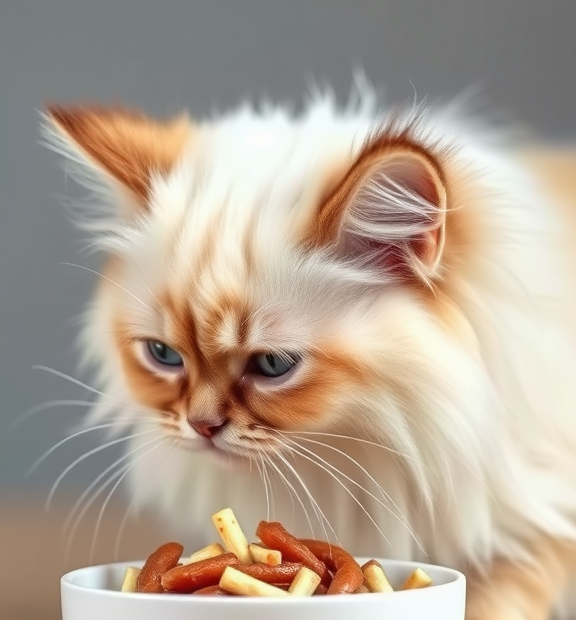
How to Feed Your Ragdoll Cat the Best Diet for Health: Key Nutritional Needs and Meal Planning
Understanding the Unique Dietary Needs of Ragdoll Cats
Ragdoll cats are known for their striking blue eyes, soft semi-long fur, and calm, affectionate nature. To keep your Ragdoll healthy and thriving, it’s essential to focus on their specific nutritional needs, which differ slightly from other cat breeds due to their moderate size and tendency toward a more laid-back lifestyle.
Feeding your Ragdoll the right diet is not just about providing food; it’s about delivering balanced nutrition that supports their joint health, maintains their muscle mass, and keeps their coat shiny and soft. Because Ragdolls can be less active than other cats, calorie control is important to prevent obesity, which can lead to various health issues.
Key Nutrients Your Ragdoll Cat Needs
When planning meals for your Ragdoll, focusing on these essential nutrients will help promote overall health:
- High-Quality Protein: Cats are obligate carnivores, meaning they require animal-based protein to stay healthy. Protein from sources like chicken, turkey, fish, or beef helps maintain lean muscle mass, which is crucial for your Ragdoll’s active muscles and energy levels.
- Fatty Acids: Omega-3 and Omega-6 fatty acids support healthy skin and fur. These fatty acids also play a role in reducing inflammation, which can benefit joint health, especially as your cat ages.
- Taurine: This essential amino acid is critical for heart function, vision, and reproductive health. Most commercial cat foods contain taurine, but if you’re feeding a homemade diet, make sure this is included.
- Vitamins and Minerals: Vitamins like A, E, and B-complex, alongside minerals such as calcium and phosphorus, are vital for immune function, bone strength, and metabolic health.
- Water: Hydration is key, particularly if your Ragdoll primarily eats dry food. Providing fresh water at all times or incorporating wet food can prevent urinary tract issues common in cats.
Choosing Between Dry and Wet Food
One of the decisions you’ll face when feeding your Ragdoll cat is whether to choose dry kibble, wet canned food, or a combination of both. Each form has its benefits and considerations.
- Dry Food: Convenient and often more affordable, dry food helps keep teeth clean due to its texture. However, it tends to have lower moisture content, which means you should encourage water intake separately.
- Wet Food: Higher in water content, wet food aids hydration and often contains higher protein percentages that can better satisfy a cat’s carnivorous needs. It also tends to be more palatable, which is helpful if your Ragdoll is a picky eater.
- Combination Feeding: Combining wet and dry food can offer the best of both worlds. Wet food can help with hydration and flavor, while dry food supports dental health and offers convenience for free-feeding.
Tips for Building a Healthy Meal Plan
Creating a nutrition plan tailored for your Ragdoll cat involves understanding their lifestyle and health status. Here’s how you can approach meal planning effectively:
1. Consult Your Veterinarian
Before making any major diet changes or selecting a food for your Ragdoll, talk with your vet. They can recommend particular formulas that address any health concerns such as weight management, allergies, or urinary health.
2. Choose a High-Quality Commercial Food
Look for cat foods labeled “complete and balanced” that meet standards set by the Association of American Feed Control Officials (AAFCO). Ingredients should list a named protein source as the first ingredient, with minimal fillers like corn or wheat.
3. Consider Age-Specific Formulas
Kittens, adults, and senior cats have different nutritional requirements. Feed age-appropriate food to ensure your Ragdoll gets the right vitamins, minerals, and calories needed at every stage.
4. Control Portions and Feeding Frequency
Overfeeding can easily lead to obesity in Ragdolls. Measure meals carefully based on your cat’s weight, age, and activity level. Feeding two to three smaller meals daily often works better than free-feeding for weight management and digestion.
5. Supplement with Treats Wisely
Limit treats to no more than 10% of your cat’s daily calorie intake. Treats should be healthy and ideally high in protein to avoid adding unnecessary carbs or fats.
Considering Homemade Diets
Some owners prefer to prepare homemade meals for their Ragdoll cats for full control over ingredients. If you choose this route, it’s crucial to work with a veterinary nutritionist to ensure the diet includes all essential nutrients in proper amounts. Incomplete diets can cause deficiencies leading to serious health problems.
Signs to Watch Related to Diet
Pay close attention to your Ragdoll’s health, coat condition, appetite, and energy levels. Signs that their diet might need adjustment include:
- Dull or thinning fur
- Weight gain or loss
- Frequent vomiting or diarrhea
- Lethargy or unusual behavior changes
If you notice any of these signs, reassess your cat’s diet and consult with a professional to ensure your Ragdoll receives the best nutritional care possible.
Making Feeding Time Enjoyable and Nutritious
Feeding your Ragdoll cat is also a time to bond. Offer food in clean bowls, placed in quiet spaces where your cat feels safe to eat. Avoid sudden changes in diet which can upset their sensitive stomachs. By choosing nutrient-rich foods and sticking to consistent meal routines, you’ll help your furry friend enjoy a long, happy, and healthy life.
Common Feeding Mistakes to Avoid for Maintaining Your Ragdoll Cat’s Long-Term Wellness
Understanding Your Ragdoll’s Unique Nutritional Needs
Ragdoll cats are known for their striking appearance and gentle temperament, but their dietary requirements deserve special attention to support their long-term health. One common mistake cat owners make is feeding a one-size-fits-all diet without considering the breed’s unique characteristics. Ragdolls tend to be larger and less active than some other cats, which means their caloric needs and nutrient intake must be carefully balanced. Ensuring your cat receives the right amount of protein and essential nutrients while avoiding excess calories is a key step for maintaining their wellness over time.
Overfeeding and Portion Control
One of the most frequent feeding errors is overfeeding. Many owners, out of affection, provide too much food or too many treats, leading to unwanted weight gain. This is especially problematic for Ragdoll cats, as their calm and laid-back nature means they burn fewer calories throughout the day. Instead of free-feeding around the clock, it’s better to regulate portions based on your cat’s weight, age, and activity level.
- Use a measuring cup to portion dry or wet food accurately.
- Divide daily ration into two or three meals to encourage regular eating patterns.
- Limit treats to no more than 10% of your cat’s daily calorie intake.
- Regularly weigh your cat to monitor their weight and adjust portions accordingly.
Controlling portions not only prevents obesity but also helps avoid metabolic disorders like diabetes.
Neglecting a Balanced Diet
Another critical misstep is failing to provide a balanced diet rich in essential nutrients. Cats, including Ragdolls, are obligate carnivores, meaning they require meat-based proteins and certain nutrients that only come from animal sources. Feeding diets that are too high in carbohydrates or rely heavily on plant-based ingredients can lead to health issues such as poor coat condition, digestive upset, and weakened immune function.
Look for cat foods that list real meat or fish as the first ingredient. Supplementing with wet food can enhance hydration and provide a richer protein source, which benefits your Ragdoll’s kidney health. Avoid cheap fillers like corn, wheat, and soy, which can add unnecessary calories and allergens.
Ignoring Hydration Needs
Ragdolls can be prone to urinary tract problems if they do not consume enough water. Relying solely on dry kibble without supplementing with wet food or fresh water can contribute to dehydration. This mistake often goes unnoticed but can have serious consequences.
To help your Ragdoll stay properly hydrated, consider:
- Offering wet food regularly to increase moisture intake.
- Providing fresh, clean water daily—some cats prefer running water via a cat fountain.
- Monitoring litter box habits to spot early signs of urinary issues.
Sudden Diet Changes
Frequently changing your Ragdoll’s diet or switching foods abruptly can cause digestive upset and stress. Cats have sensitive stomachs, and abrupt transitions may lead to vomiting, diarrhea, or refusal to eat. Introduce any new food gradually over seven to ten days by mixing it with the current diet, increasing the proportion of the new food each day. This ease into change allows your cat’s digestive system to adapt comfortably.
Ignoring Life Stage and Health Conditions
Feeding your Ragdoll the same type and amount of food throughout its life, regardless of age or health, can be a costly mistake. Kittens, adults, and seniors have very different nutritional requirements. Similarly, cats with health conditions such as kidney disease or allergies need specialized diets formulated to support their specific needs.
Consult your veterinarian to tailor a diet plan that accommodates your Ragdoll’s current life stage and any potential medical conditions. This personalized approach enhances your cat’s quality of life and supports longevity.
Relying on Table Scraps or Human Food
Offering your Ragdoll scraps from your own meals might seem like a way to bond, but it can introduce harmful ingredients into their diet. Many human foods contain spices, salt, or additives that cats cannot process safely. These can lead to digestive upset or even toxicity. It’s best to avoid giving table food and stick strictly to cat-formulated diets and vet-approved treats.
Recognizing Your Role in Maintaining Your Ragdoll’s Health
Feeding the right diet is crucial, but it’s only part of the picture. Providing ample opportunities for exercise and mental stimulation will help maintain a healthy weight and prevent boredom-related eating habits. Keep mealtime positive and consistent, and observe your cat’s body condition and behavior regularly.
Ultimately, avoiding these common feeding mistakes can make a significant difference in your Ragdoll cat’s long-term well-being. By prioritizing balanced nutrition, portion control, hydration, and appropriate dietary adjustments, you will support a happy, healthy companion for years to come.
Conclusion
Feeding your Ragdoll cat the best diet is essential for supporting their unique health needs and ensuring they live a happy, active life. By focusing on a balanced meal plan rich in high-quality proteins, essential fats, and necessary vitamins, you provide the foundation your Ragdoll needs for strong muscles, a shiny coat, and steady energy levels. Remember to tailor their feeding routine to their age, weight, and activity level to maintain optimal health and prevent common issues like obesity.
Avoiding feeding mistakes is just as important as choosing the right foods. Overfeeding, relying too much on treats, or offering low-quality food can jeopardize your cat’s wellness. Consistency in meal times and portion control, along with regularly monitoring your cat’s condition, helps you catch health concerns early and adjust their diet accordingly.
By paying close attention to your Ragdoll’s nutritional needs and steering clear of common feeding errors, you set the stage for long-term wellness and vitality. A thoughtful, high-quality diet paired with mindful feeding practices will keep your beloved Ragdoll thriving for years to come. Your care in feeding not only nurtures their body but also strengthens the bond between you and your furry companion.