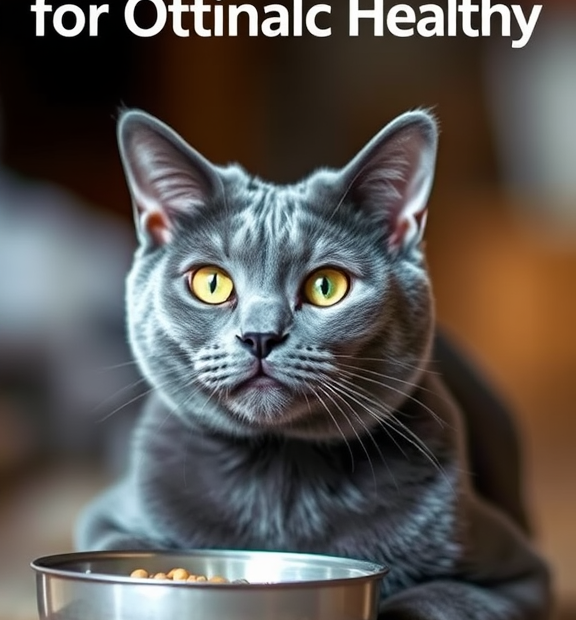
How to Feed Your Russian Blue Cat for Optimal Health: Key Nutritional Guidelines
Understanding the Unique Nutritional Needs of a Russian Blue Cat
Russian Blue cats are known for their striking blue-gray coat and captivating green eyes, but alongside their beauty, they have some specific health and dietary needs. To keep your Russian Blue cat in top shape, feeding them a balanced diet tailored to their breed’s characteristics is crucial. Unlike many other breeds, Russian Blues can have a sensitive digestive system and are prone to weight gain due to their relatively calm nature, so you need to pay special attention to what and how much you feed them.
Essential Nutrients for a Healthy Russian Blue
A Russian Blue’s diet must include the right proportions of protein, fats, carbohydrates, vitamins, and minerals. Here’s what you need to focus on:
- High-Quality Protein: Cats are obligate carnivores, which means protein from animal sources is vital for their muscle health and energy. Look for foods with real meat, poultry, or fish as the first ingredient.
- Healthy Fats: Omega-3 and Omega-6 fatty acids support skin health and keep that iconic silvery-blue coat shiny and soft.
- Limited Carbohydrates: Russian Blues don’t need much carbohydrate in their diet. Too many carbs can lead to weight gain and digestive issues. Choose foods with low grain content or grain-free options.
- Vitamins and Minerals: Nutrients such as taurine (an amino acid essential for heart and eye function), calcium, and antioxidants boost overall health and immunity.
Choosing the Right Food for Your Russian Blue
When selecting a commercial cat food, be sure to go for premium brands that list whole meat as the main ingredient. Avoid foods with fillers like corn, soy, or wheat, which offer little nutritional value and can be hard for sensitive cats to digest. Both wet and dry food options can be part of your cat’s diet. Wet food is excellent for hydration and often more palatable, while dry food helps keep teeth clean. A combination of both, however, can provide balance and variety.
Feeding Frequency and Portion Control
Russian Blues have a tendency to gain weight if overfed, so portion control is key. Adult cats generally do well with two meals per day—once in the morning and once in the evening. Pay close attention to the feeding guidelines on the food packaging but adjust based on your cat’s activity level and body condition. If you’re unsure, consult your veterinarian for personalized advice.
Hydration Into Your Cat’s Diet
Proper hydration supports kidney and urinary tract health, which is vital for Russian Blue cats. Since many cats naturally avoid drinking water, wet food can significantly contribute to their fluid intake. You can also encourage drinking by providing fresh water daily and placing multiple water bowls around your home. Some owners use pet fountains to entice their cats with running water, which often helps increase hydration.
Homemade Diets: Proceed with Caution
Some cat owners prefer preparing homemade meals for their pets, which gives them full control over ingredients. If you’re considering this route for your Russian Blue, it’s essential to consult a veterinary nutritionist to ensure the diet is balanced and complete. Cats require specific nutrients like taurine, vitamin A, and arachidonic acid that must be included in the right amounts to avoid serious health problems.
Supplements and Special Considerations
Most well-formulated commercial cat foods include all the necessary nutrients, but in some cases, your Russian Blue might benefit from supplements. Omega-3 fatty acids can improve coat quality, while probiotics may help with digestive health. Before adding supplements, always discuss with your vet, especially if your cat has underlying health conditions.
Signs Your Russian Blue’s Diet May Need Adjusting
Monitoring your cat’s body weight, energy level, and coat quality can indicate if their current diet is optimal. Excess weight gain, dull fur, digestive upset, or lethargy may suggest a need for diet evaluation. Regular veterinary checkups provide an opportunity to discuss dietary concerns and make appropriate changes.
Tips for Feeding a Picky Russian Blue
Russian Blues can be finicky eaters. If your cat refuses a certain food, try gradually mixing it with their current favorite to ease the transition. Warming wet food slightly or adding a bit of low-sodium broth can make meals more enticing. Patience and consistency are key when introducing new foods.
Maintaining Optimal Health Through Nutrition
Feeding your Russian Blue a nutrient-rich, balanced diet helps ensure a long, healthy life. Remember that every cat is unique, and nutritional needs may vary based on age, activity, and health status. By choosing quality foods, controlling portions, and staying mindful of your cat’s preferences and needs, you’ll actively contribute to their well-being. A well-fed Russian Blue is a happy, vibrant pet that will charm your home for years to come.
Common Feeding Mistakes to Avoid for Maintaining Your Russian Blue Cat’s Well-Being
Recognizing Overfeeding and Its Impact on Your Russian Blue Cat
One common mistake that pet owners make is overfeeding their Russian Blue cats. These cats have a lean, muscular build and a calm demeanor that can mask early signs of weight gain. Overfeeding can quickly lead to obesity, which increases the risk of diabetes, joint problems, and heart disease. To avoid this, you need to carefully measure your cat’s food portions based on their age, weight, and activity level.
Feeding guidelines on commercial cat food packaging can be a helpful starting point, but remember that each Russian Blue is unique. Regularly monitoring your cat’s weight and adjusting food amounts accordingly will keep them in optimal shape. Avoid giving free access to dry food as it encourages overeating throughout the day.
Misunderstanding Nutritional Needs Specific to Russian Blue Cats
Not all cat foods are created equal, and using a generic diet without considering your Russian Blue’s specific nutritional requirements can hinder their health. This breed tends to have a sensitive digestive system, so low-quality ingredients or artificial additives might cause gastrointestinal upset.
Opt for high-protein diets rich in animal-based proteins like chicken, turkey, or fish. Russian Blues benefit from balanced diets that also include essential fatty acids, vitamins, and minerals to support their dense fur and maintain muscle tone. Always check the ingredient list to avoid fillers like corn or wheat, which offer little nutritional value.
Ignoring the Importance of Hydration
Sometimes, cat owners focus solely on dry kibble, forgetting the critical role of hydration in their Russian Blue’s diet. Cats naturally have a low thirst drive and rely on moisture in their food to keep hydrated. Offering primarily dry food can lead to dehydration, which puts strain on the kidneys and urinary tract.
Incorporate wet food into your cat’s diet or ensure access to fresh water at all times. You might find that some cats prefer drinking from running water sources like cat fountains, which can encourage better hydration habits. Proper moisture intake is crucial to prevent urinary issues, especially in Russian Blues, who may be prone to such problems.
The Risks of Sudden Diet Changes
Another frequent error is abruptly switching your Russian Blue’s food brand or type. Sudden dietary changes can upset their digestive system, resulting in vomiting, diarrhea, or loss of appetite. Cats are creatures of habit, and they thrive on consistent feeding routines.
If you need to introduce a new food, do so gradually over 7 to 10 days. Start by mixing a small amount of the new food with their current diet, slowly increasing the proportion until the transition is complete. This approach helps reduce the chance of digestive distress and keeps your cat comfortable.
The Dangers of Feeding Human Food and Treats Excessively
While it can be tempting to share your meals or offer treats to your Russian Blue, doing so excessively can harm their health. Foods that are safe for humans, like onions, garlic, chocolate, or certain dairy products, are toxic to cats and should be strictly avoided.
Even non-toxic treats and table scraps can disrupt your cat’s balanced diet and cause nutrient imbalances or weight gain. Reserve treats for special occasions and choose cat-specific snacks formulated to meet their dietary needs. Moderation is key to maintaining a healthy weight and preventing behavioral problems linked to begging or food fixation.
Failing to Adjust Feeding for Life Stages and Conditions
Not adapting your Russian Blue’s feeding plan for different life stages or health conditions is a common misstep. Kittens require higher protein and calorie intake to support growth, while senior cats may benefit from diets lower in calories but enriched with joint-support nutrients.
If your cat has health issues such as kidney disease, allergies, or obesity, work with your veterinarian to tailor a diet that supports their specific needs. Maintaining flexibility and awareness in their feeding regimen is crucial for long-term well-being.
Key Tips to Avoid Common Feeding Pitfalls
- Measure portions: Use a measuring cup and follow feeding guidelines rather than guessing portions.
- Choose quality food: Select premium cat foods formulated for your Russian Blue’s life stage.
- Include moisture: Supplement dry food with wet food or ensure constant fresh water availability.
- Transition slowly: Introduce any diet changes gradually over several days to prevent digestive upset.
- Limit treats: Treat your cat sparingly with cat-specific snacks only.
- Regular check-ups: Consult your vet regularly to adjust feeding plans as your cat ages or develops health conditions.
Feeding your Russian Blue cat properly can significantly enhance their quality of life and longevity. By understanding and avoiding these common mistakes, you provide a foundation for optimal health that supports their active mind and elegant physique. Always prioritize their unique nutritional needs and stay attentive to signs that their diet may need adjustments.
Conclusion
Feeding your Russian Blue cat the right way is essential for keeping them happy and healthy. By following key nutritional guidelines, you ensure your cat gets the right balance of proteins, fats, vitamins, and minerals suited to their unique needs. This breed thrives on a diet rich in high-quality protein that supports their lean muscle and maintains their sleek coat. Including moisture-rich foods also helps with hydration and urinary health, which are common concerns for Russian Blue cats.
Avoiding common feeding mistakes is just as important. Overfeeding or offering too many treats can lead to obesity, which affects your cat’s mobility and overall wellness. Feeding low-grade or inappropriate foods can cause digestive issues and nutrient deficiencies. Remember to provide fresh water daily and stick to a consistent feeding schedule to help your cat feel secure and maintain a healthy weight.
By carefully selecting the right foods and staying attentive to your Russian Blue’s specific dietary needs, you play a vital role in their long-term health. Being mindful and proactive about what your cat eats can prevent common health problems and improve their quality of life. Your thoughtful approach to feeding will help your Russian Blue thrive, keeping them energetic and affectionate for years to come.