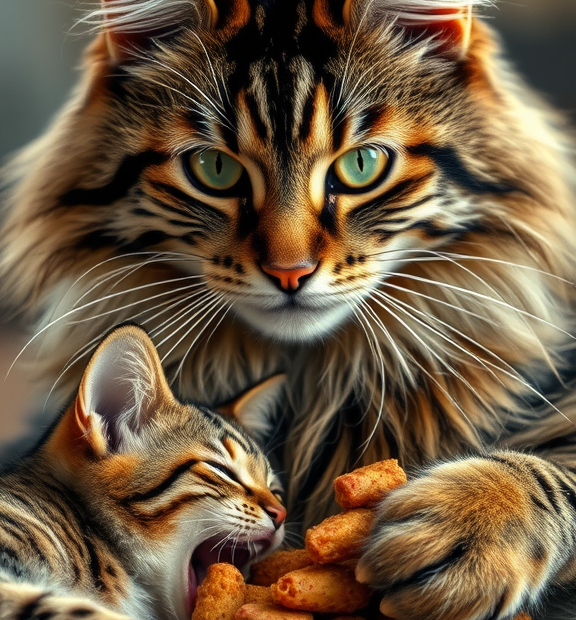
How to Help a Maine Coon with a Cat Eat Problem Feel Hungry Again: Practical Steps and Tips
Recognizing the Signs of a Cat Eat Problem in Maine Coons
If your Maine Coon is suddenly showing little interest in food or refuses to eat altogether, it can be distressing. Reduced appetite may signal various issues, from simple stress to more serious medical conditions. Watch for changes in behavior such as frequent pawing at the mouth, drooling, vomiting, or weight loss. These are clues that your feline friend needs help to regain their appetite and feel hungry again.
Understanding Why Maine Coons May Lose Their Appetite
Many factors can cause a Maine Coon to develop eating problems. Dental issues like tooth pain or gum disease make chewing uncomfortable, deterring them from their meals. Digestive problems, respiratory infections, or systemic illnesses such as kidney disease also impact appetite. Psychological stress, changes in environment, or boredom can result in your cat showing less interest in food. Identifying the root cause is essential to provide the best care and help your Maine Coon return to normal eating habits.
Practical Steps to Stimulate Appetite and Encourage Eating
Create a Comfortable Feeding Environment
Make mealtime pleasant by placing your cat’s bowl in a quiet, low-traffic area away from loud noises or other pets. A calm setting reduces stress and distractions, encouraging your Maine Coon to focus on eating.
Offer Warmed, High-Quality Food
Heating wet cat food slightly can enhance its smell, making it more enticing for a picky eater. Maine Coons have sensitive noses, so the aroma plays a big role in stimulating desire for food. Additionally, choose high-protein, nutritionally balanced diets formulated specifically for large breeds or cats with special dietary needs.
Try Different Textures and Flavors
Some Maine Coons might prefer pate over chunks or vice versa. Experiment with flavors such as chicken, fish, or turkey to discover what entices your cat the most. Offering variety prevents boredom and sparks renewed interest in feeding.
Use Feeding Toys and Puzzle Feeders
Interactive feeding toys encourage natural hunting instincts and add mental stimulation. By making mealtime fun and rewarding, your Maine Coon will engage more enthusiastically, helping to boost appetite.
Hand-Feed or Use a Syringe if Necessary
If your cat is hesitant to eat independently, try gentle hand-feeding with small portions. For more severe cases, consult your vet about using a syringe to provide nutrition temporarily while working on restoring natural eating habits.
When to Seek Veterinary Advice
If your Maine Coon’s lack of appetite lasts more than 24 to 48 hours, it’s important to consult a veterinarian promptly. Prolonged anorexia can cause serious complications like hepatic lipidosis, a life-threatening liver condition, especially in overweight cats. Your vet can perform a thorough examination, dental check, blood tests, and imaging to diagnose underlying health problems.
Supportive Care at Home to Encourage Eating
Besides managing diet, maintaining hydration with fresh water or electrolyte solutions is crucial. Regularly clean food and water dishes to avoid off-putting odors. Spend quality time with your Maine Coon to lower stress—petting, grooming, and playing helps improve mood and appetite.
Monitoring Progress and Adjusting Strategies
Keep track of changes in your cat’s eating habits, weight, and overall behavior. If one approach doesn’t work, be patient and try a different combination of foods, feeding techniques, or environmental adjustments. Gradual improvement is common, so consistent care and observation are key.
Why Early Action Matters
Helping a Maine Coon regain appetite is more than just feeding; it’s about ensuring long-term health. Addressing eating problems quickly prevents complications and enhances your cat’s quality of life. With attentiveness, gentle encouragement, and vet support when needed, your beloved Maine Coon can feel hungry and vibrant again.
- Check for dental issues with routine vet visits
- Maintain a quiet, comfortable feeding spot
- Offer warmed, high-protein meals in varied flavors
- Use interactive feeding tools to entice interest
- Stay patient and observe changes carefully
By following these practical and compassionate steps, you can help your Maine Coon overcome eating problems and restore their hunger naturally. Be proactive and attentive—your big, gentle cat depends on you for care and comfort.
Understanding Common Causes Behind Loss of Appetite in Maine Coon Cats and When to See a Vet
Recognizing Why Your Maine Coon May Stop Eating
When your Maine Coon suddenly loses interest in food, it can be worrying. These gentle giants usually have hearty appetites, so a loss of appetite is a clear sign that something might be wrong. Identifying the root cause is essential for helping your cat get back to their normal, lively self. There are several common reasons why a Maine Coon might stop eating, ranging from minor issues to serious medical concerns.
Health-Related Factors That Affect Appetite
Cats, including Maine Coons, often stop eating when they feel unwell. Here are a few health-related causes to consider:
- Dental Problems: Mouth pain from dental disease, broken teeth, or gum issues can make eating painful. This often leads to a refusal to eat or chewing on only one side.
- Gastrointestinal Issues: Vomiting, diarrhea, or constipation can cause discomfort that results in a loss of appetite.
- Infections: Viral or bacterial infections, such as upper respiratory infections, can reduce appetite temporarily.
- Kidney Disease: Common in older cats, kidney problems often cause nausea and reduced hunger.
- Diabetes or Hyperthyroidism: These metabolic conditions may also influence appetite, sometimes leading to increased eating, but in advanced stages, can reduce hunger.
Environmental and Emotional Causes Behind Eating Issues
Sometimes changes in your Maine Coon’s surroundings or routine can impact their appetite. Stress is a powerful factor in appetite loss. A sudden move, introduction of a new pet, or loud noises can make your cat anxious or scared, which often leads to a reduced desire to eat. Cats are creatures of habit, and disruptions can cause them to withdraw, including from mealtime.
Additionally, the feeding environment itself can influence your cat’s interest in food. Dirty bowls, food placed too close to litter boxes, or feeding near loud appliances may deter a Maine Coon from eating.
Food-Related Causes to Notice
Maine Coons can be picky eaters by nature. Here are potential reasons related to their food that might cause them to refuse meals:
- Formula Changes: Switching food brands or flavors abruptly can put off your cat.
- Food Freshness: Stale or spoiled food loses appeal quickly.
- Texture and Temperature Preferences: Some cats prefer wet food to dry, or may avoid cold food.
- Overfeeding Treats: Too many snacks can spoil their appetite for regular meals.
When to Seek Veterinary Help
If your Maine Coon’s loss of appetite lasts more than 24 to 48 hours, it’s crucial to consult a veterinarian. Prolonged fasting can lead to serious health issues such as hepatic lipidosis, a liver condition common in cats that don’t eat for a few days.
You should take your cat to the vet immediately if you notice any of these signs along with appetite loss:
- Repeated vomiting or diarrhea
- Lethargy and weakness
- Unusual breathing patterns or coughing
- Weight loss or muscle wasting
- Signs of pain such as vocalizing or hiding
- Difficulty swallowing or gagging
At the vet, diagnostic tools like blood work, x-rays, and oral exams can help pinpoint the cause. Early detection is vital to treat any underlying condition effectively.
Practical Steps to Encourage Eating at Home
While waiting for a vet appointment or to support treatment, there are ways to encourage your Maine Coon’s appetite:
- Warm the Food: Heating wet food slightly can release enticing aromas.
- Try Different Foods: Offer a variety of textures and flavors to find something your cat likes.
- Hand Feeding: Sometimes feeding your cat by hand or in a quiet space can reduce stress and entice eating.
- Maintain a Routine: Feed your cat at the same times daily to create a consistent eating schedule.
- Hydration: Ensure fresh water is always available; hydration is key to overall health.
Why Paying Attention Early Matters
Maine Coons are large, lovable cats with specific health needs. Changes in eating behavior can signal early health problems or emotional distress. Catching these signs early not only improves your cat’s quality of life but can also prevent serious complications down the road.
By observing your Maine Coon closely and understanding the common causes behind loss of appetite, you become a proactive pet parent ready to safeguard your feline friend’s health and happiness. Always remember—when in doubt, a vet visit is the best choice for your cat’s well-being.
Conclusion
Helping your Maine Coon regain their appetite requires patience, attention, and a gentle approach. By taking practical steps—like offering freshly prepared meals, warming food to enhance aroma, and providing a calm, stress-free feeding environment—you can encourage your cat to eat again. Remember, every Maine Coon is unique, so experimenting with different flavors and textures may make a big difference in sparking their interest in food.
It’s equally important to understand why your Maine Coon may have lost their appetite. Common causes range from dental pain and infections to stress, changes in their environment, or underlying health issues. Recognizing these signs early can prevent more serious problems down the line. If your cat refuses to eat for more than 24 hours, shows weight loss, or exhibits other unusual symptoms like vomiting or lethargy, it’s crucial to seek veterinary advice promptly. A professional examination can help identify hidden health problems and guide you with specific treatment tailored to your cat’s needs.
By combining attentive care with timely medical support, you’re setting your Maine Coon on the path back to feeling hungry and healthy again. Your dedication not only comforts your furry friend but also strengthens the special bond you share—making mealtime enjoyable once more for your beloved Maine Coon.