Essential Tips on How to Help Your Ragdoll Cat Gain Healthy Weight Safely
Understanding Your Ragdoll Cat’s Weight Needs
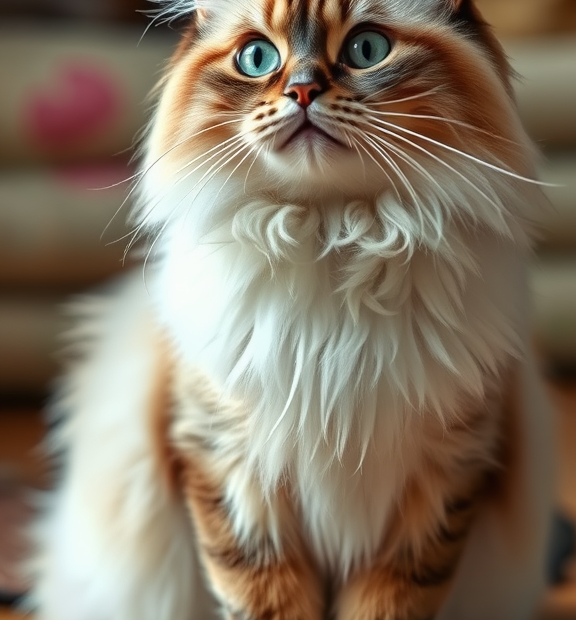
Ragdoll cats are known for their beautiful blue eyes, silky coats, and gentle personalities. Just like humans, every Ragdoll has a unique metabolism and nutritional requirement that affects its weight. If you notice that your Ragdoll is underweight, it’s important to address this carefully. Helping your cat gain weight isn’t about overfeeding or giving unhealthy treats; it’s about supporting your cat’s health with balanced nutrition and good habits.
Underweight Ragdolls might appear limp, less energetic, or even cold to the touch, but these signs can be subtle. Before making any changes to your cat’s diet or routine, consult your veterinarian to rule out medical causes such as parasites, dental issues, or illnesses that may affect appetite and weight. Once health problems are ruled out, you can focus on safe, healthy ways to help your Ragdoll gain weight.
Choosing the Right Food to Promote Healthy Weight Gain
The foundation of helping your Ragdoll gain weight safely is providing a diet that’s rich in nutrients and calories without compromising quality. Cats, especially Ragdolls, thrive on protein and fat, which give them energy to maintain muscle and body condition. Here’s what to look for when selecting food:
- High-Quality Protein: Look for foods with real meat, chicken, or fish as the main ingredient. Protein supports lean muscle development, which is key for healthy weight gain.
- Moderate to High Fat Content: Fat is calorie-dense and an excellent energy source. Healthy fats from animal sources will help your cat pack on pounds gradually.
- Balanced Vitamins and Minerals: Vitamins, like B-complex and minerals such as zinc, play an important role in skin, coat health, and digestion.
- Wet and Dry Food Mix: Incorporate wet food to increase moisture intake and calories with smaller volume, making it easier for your cat to eat more.
Specialty weight-gain or “kitten formula” foods are a smart choice because they are designed to deliver extra calories in a balanced way. However, always introduce new foods slowly over several days to avoid stomach upset.
Feeding Schedule and Portion Control Tips
Helping your Ragdoll gain weight safely means feeding the right amount at the right times. Free feeding (leaving food out all day) can lead to disinterest or picky eating habits. Instead, opt for a scheduled feeding plan:
- Divide your cat’s daily calories into 3-4 smaller meals. Frequent, smaller meals are easier to digest and encourage steady weight gain.
- Weigh your cat regularly to monitor progress, adjusting portions as needed.
- Use measured portions rather than guessing. Use a kitchen scale or measuring cup to be precise.
- If your cat is hesitant to eat large portions at once, try boosting appetite by warming food slightly to enhance aroma or adding small amounts of tasty toppers.
Encouraging Appetite and Reducing Stress
Appetite loss might be one reason your Ragdoll struggles to gain weight. Creating a calm, pleasant mealtime environment can help:
- Choose a quiet, comfortable feeding spot away from loud noises or other pets.
- Feed your cat in an area where they feel safe and undisturbed.
- Make mealtimes interactive by hand-feeding small treats or using puzzle feeders to stimulate interest.
- Reduce stress factors that might affect eating such as changes in household routines or introducing new pets too quickly.
Nutritional Supplements When Appropriate
Sometimes, your veterinarian may recommend supplements to aid weight gain. Omega-3 and Omega-6 fatty acids, for example, can improve coat health and stimulate appetite. Probiotics might help with digestion and nutrient absorption.
However, do not add supplements without consulting a vet. Over-supplementation can lead to imbalances or toxicity. Always follow professional guidance for dosage and duration to keep your Ragdoll safe.
Regular Health Monitoring and Veterinary Care
Maintaining regular check-ups is crucial when your cat is trying to gain weight. Your vet can track improvements or detect early signs of health issues that may affect progress. They may recommend blood tests or stool exams to confirm your cat’s overall wellness.
Remember that healthy weight gain takes time. Be patient and consistent with your feeding plan and care routines. Weight gain that’s too rapid can strain internal organs and lead to obesity, so aim for gradual improvement.
Safe Exercise to Build Muscle Mass
While weight gain is often associated with fat, you want your Ragdoll to develop muscle too. Encourage gentle play and activity with toys that stimulate chasing, batting, or jumping. This keeps your cat fit and supports healthy weight distribution.
A well-rounded approach combining nutrition, stress reduction, exercise, and vet guidance will help your Ragdoll thrive and enjoy a healthy, steady weight increase. With attentive care, your feline friend will feel stronger, happier, and more vibrant each day.
Common Causes of Weight Issues in Ragdoll Cats and When to Consult a Vet
Understanding Weight Challenges in Ragdoll Cats
Ragdoll cats are known for their striking blue eyes, silky coats, and laid-back personalities. While they often look healthy and robust, weight issues can sometimes arise, creating concerns for their owners. Both underweight and overweight conditions can negatively impact a Ragdoll’s health and quality of life. Recognizing the common causes behind these weight fluctuations is essential to keeping your feline friend in optimal shape.
Why Your Ragdoll Might Struggle with Weight
Weight problems in Ragdoll cats generally stem from a few key factors, ranging from dietary issues to underlying medical conditions. Understanding these causes can guide how you manage your cat’s nutrition and lifestyle.
1. Poor Nutrition and Feeding Habits
One of the main reasons Ragdoll cats experience weight problems is improper feeding. Too little food or the wrong type can lead to weight loss, while excessive calorie intake causes overweight or obesity. Feeding your cat a diet lacking in essential nutrients or high in fillers and carbohydrates can result in poor weight gain or weight loss.
Overfeeding, on the other hand, can be due to free feeding, frequent treats, or calorie-rich meals that promote fat accumulation. Portion control and balanced nutrition are critical to prevent weight issues.
2. Lack of Physical Activity
While Ragdolls are known for their calm and gentle temperament, this relaxed nature sometimes translates into minimal physical activity. Cats that do not engage in enough play and exercise tend to burn fewer calories, making them susceptible to unwanted weight gain.
Encouraging interactive playtime and providing stimulating toys will help keep your Ragdoll active, maintaining a healthy body weight.
3. Underlying Health Problems
Weight changes in Ragdoll cats can be an indicator of health issues requiring veterinary attention. Here are some common medical reasons your cat might gain or lose weight unexpectedly:
- Hyperthyroidism: An overactive thyroid gland increases metabolism, often causing sudden weight loss despite normal or increased appetite.
- Diabetes Mellitus: This condition can cause both weight loss and increased hunger.
- Gastrointestinal Disorders: Problems like inflammatory bowel disease or parasites may interfere with nutrient absorption, leading to weight loss.
- Kidney Disease: Chronic kidney problems can result in weight loss and decreased appetite.
- Arthritis or Joint Pain: Painful joints can reduce mobility, making your Ragdoll less active and prone to weight gain.
4. Stress and Environmental Changes
Just like humans, cats are sensitive to stress and changes in their environment. Moving homes, introduction of new pets, or shifts in household routines may cause stress-related appetite changes. Some cats may overeat as a coping mechanism, while others may lose interest in food altogether.
Monitoring your cat’s behavior during stressful times helps identify if weight shifts are related to external factors.
Identifying When Veterinary Care Is Needed
Not every change in your Ragdoll’s weight is a sign of a major problem, but timely vet interventions ensure early diagnosis and treatment when necessary. You should consult a veterinarian if you notice:
- Sudden or rapid weight loss without clear reason
- Visible weight gain accompanied by lethargy or changes in behavior
- Changes in appetite or water consumption
- Vomiting, diarrhea, or digestive issues
- Difficulty moving or noticeable discomfort
A veterinary professional can conduct thorough physical exams, blood tests, and possibly imaging studies to uncover the root cause of abnormal weight issues. Early diagnosis can prevent complications and promote better health outcomes.
What to Expect During the Vet Visit
When you take your Ragdoll cat to the vet for weight concerns, the vet will likely ask detailed questions about your cat’s diet, activity level, and any other symptoms you have observed. They may:
- Weigh your cat to track their condition accurately.
- Perform blood tests to check for thyroid function, kidney health, and blood sugar levels.
- Examine stool samples to detect parasites or digestive problems.
- Conduct physical and neurological exams.
Based on the results, your vet may recommend diet adjustments, medications, or further testing.
Taking Control of Your Ragdoll’s Weight
Understanding and addressing the underlying causes of weight issues in Ragdoll cats promotes longer, healthier lives. Maintaining balanced nutrition, encouraging movement, observing behavior, and seeking timely veterinary care ensure your cat thrives with an ideal body condition. By staying attentive to your furry companion’s needs, you can quickly respond to any weight changes that might signal health problems.
Conclusion
Helping your Ragdoll cat gain weight in a healthy and safe way requires patience, attention, and a good understanding of their unique needs. By providing nutrient-rich, high-quality food in appropriate portions and creating a calm feeding environment, you support your cat’s gradual and steady weight gain. Remember to monitor their progress regularly and avoid overfeeding, which can lead to other health problems. It’s equally important to recognize the common causes of weight loss or failure to thrive, such as stress, illness, or dental problems. If your Ragdoll is showing signs of unexplained weight loss or poor appetite, don’t hesitate to consult your veterinarian. Early professional advice can help detect underlying health issues and guide you towards the best nutritional and medical solutions.
Every Ragdoll cat deserves a balanced diet and the right care to reach their optimal weight comfortably. Keeping an eye on their eating habits and overall health enables you to act promptly if something seems amiss. By combining thoughtful feeding strategies with regular vet visits, you can ensure that your gentle feline friend stays happy, healthy, and full of life. Supporting your Ragdoll through a safe weight gain process not only enhances their physical health but also strengthens the special bond you share.