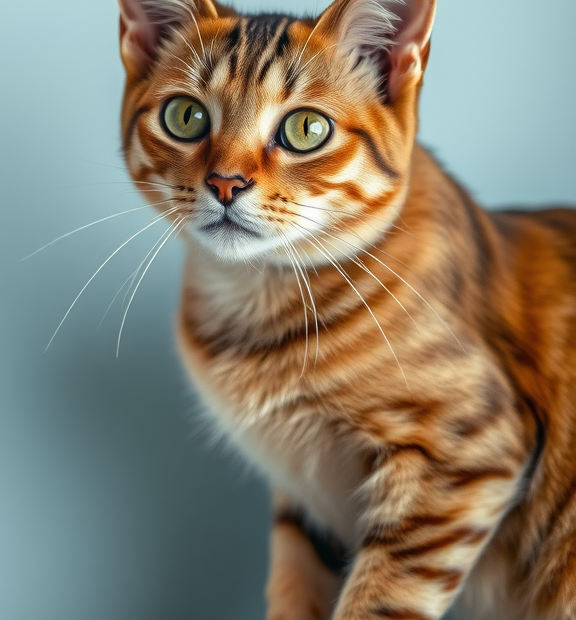
Essential Nutritional Needs to Keep Your Abyssinian Cat Healthy and Energetic
Balancing Proteins for Optimal Health
Abyssinian cats are active and agile by nature, requiring a diet rich in high-quality protein to fuel their muscles and support overall vitality. Protein serves as the primary building block for these cats, helping maintain lean muscle mass and healthy organ function. When selecting cat food, prioritize ingredients like chicken, turkey, fish, or beef listed as the main protein sources. Avoid foods with excessive fillers such as corn or soy, which provide little nutritional value and can lead to weight issues.
Since Abyssinians have a higher metabolism compared to other breeds, ensuring they receive sufficient protein throughout the day is key. Wet foods often contain more protein and hydration, while dry formulas can help maintain dental health. A combination of both might work best to keep your Abyssinian cat satisfied and energetic.
Essential Fats for a Shiny Coat and Brain Health
Fats are often misunderstood but are vital for your Abyssinian’s health. Essential fatty acids like omega-3 and omega-6 support skin health, give their coat a glossy shine, and contribute to brain function. These healthy fats also play a role in reducing inflammation and promoting cell repair.
Look for cat foods enriched with fish oil or flaxseed oil, as these provide a natural source of omega fatty acids. However, balance is critical—too much fat can lead to obesity, so moderation is key based on your cat’s activity level and overall health.
Carbohydrates and Fiber: Energy and Digestion
While Abyssinians do not rely heavily on carbohydrates for energy, a small amount of easily digestible carbs can contribute to their daily energy needs. Including fiber in their diet supports healthy digestion and helps prevent hairballs, a common issue in long-haired breeds like the Abyssinian.
Prefer carbohydrates that come from wholesome sources like brown rice, sweet potatoes, or peas. These ingredients provide sustained energy release without causing blood sugar spikes. Additionally, fiber-rich ingredients such as pumpkin or beet pulp can aid in regulating bowel movements and support gut health.
Vitamins and Minerals: Building Blocks for Vitality
Vitamins and minerals are critical in keeping your Abyssinian cat’s immune system strong and their bodily functions running smoothly. Specifically, vitamins A, D, E, and B-complex support vision, bone health, and energy metabolism. Minerals like calcium, phosphorus, and potassium maintain strong bones and promote proper muscle function.
A balanced commercial cat food is typically fortified with these essential nutrients, but it’s important to avoid homemade diets without veterinary guidance, as they can easily lack these vital components. If you choose to supplement or feed a DIY diet, consult your vet to create a balanced nutritional plan.
Water: The Often Overlooked Nutrient
Hydration is vital for cats, as they do not have a strong thirst drive like humans do. Abyssinian cats thrive on wet food diets that naturally contain high moisture levels, helping to keep their kidneys healthy and preventing urinary tract problems. Always ensure that fresh water is accessible at all times to encourage regular drinking.
If your Abyssinian prefers dry food or is reluctant to drink water often, consider offering wet food mixed with dry kibble or using a cat water fountain to stimulate their interest in hydration.
Special Dietary Considerations for Abyssinian Cats
Abyssinians have unique tendencies that can affect their nutritional needs. They are prone to early onset dental issues, so diets promoting dental health, such as dental-friendly kibble, can be beneficial. This breed is also very energetic and playful, making calorie intake an important factor to manage to avoid under or overfeeding.
You might notice that some Abyssinians are more sensitive to food ingredient changes, so when introducing new food, do it gradually over 7–10 days to prevent digestive upset. Keeping an eye on their weight, coat condition, and energy level will help you adjust their diet accordingly.
How to Choose the Right Food for Your Abyssinian Cat
- Read Labels Carefully: Look for real meat as the first ingredient and avoid artificial additives or by-products.
- Consider Age and Activity Level: Kittens, adults, and senior Abyssinians have different nutritional needs. Active cats require more calories and balanced nutrients.
- Opt for Grain-Free or Limited-Ingredient Diets: Many Abyssinians do well on diets with fewer grains, which can decrease allergies and digestive issues.
- Consult Your Veterinarian: Tailor your cat’s diet with professional guidance, especially if health conditions like kidney disease, allergies, or obesity are concerns.
Keeping your Abyssinian cat healthy and energetic revolves mainly around providing a well-rounded diet that honors their natural dietary needs. Prioritizing high-quality proteins, healthy fats, moderate carbohydrates with fiber, essential vitamins and minerals, and sufficient hydration will help your beloved feline thrive. Observing changes in behavior or appearance can alert you if dietary adjustments are needed, making you the best advocate for your Abyssinian’s health.
Practical Tips for Maintaining a Balanced Diet and Monitoring Your Abyssinian Cat’s Weight
Understanding the Nutritional Needs of Abyssinian Cats
Your Abyssinian cat is a lively, active breed that requires a diet rich in essential nutrients to thrive. Unlike some other cats, Abyssinians have a lean and muscular build, which means their diet should support muscle maintenance and overall vitality. Proteins are the cornerstone of their nutrition, providing the amino acids necessary for healthy muscles, fur, and immune function.
When choosing food for your Abyssinian, look for high-quality animal protein sources such as chicken, turkey, or fish. These ingredients help meet their carnivorous dietary requirements. Additionally, healthy fats, including omega-3 and omega-6 fatty acids, promote a shiny coat and healthy skin. Avoid fillers and excessive carbohydrates, as these can contribute to weight gain and reduced energy levels.
Crafting a Balanced Feeding Routine
Establishing a consistent feeding schedule helps regulate your cat’s metabolism and digestion. Most Abyssinian cats do well with two or three small meals per day rather than free feeding, which can encourage overeating. Measure each portion accurately to prevent excess calorie intake, and be mindful of treats, limiting them to no more than 10% of daily calories.
- Use a measuring cup: This helps you control portion sizes effectively.
- Choose high-protein wet or dry food: This supports hydration and chewing while providing essential nutrients.
- Consider feeding times: Regularly spaced meals stimulate natural hunting and feeding behaviors.
Monitoring and Managing Your Abyssinian’s Weight
Keeping your Abyssinian cat in top shape requires regular monitoring of their weight and body condition. Since this breed is naturally slim, early detection of weight fluctuations is key to maintaining health. Too much weight can lead to health problems such as diabetes and arthritis, while too little can signal illness or nutritional shortcomings.
Use your hands to feel for your cat’s ribs and spine beneath the fur. You should feel these bones without excessive fat covering. A visual check will help you see if your cat has a tucked waist and a smooth, lean silhouette. Keep a log of your cat’s weight and body condition to track changes over time.
Signs Your Abyssinian May Need Dietary Adjustment
If your cat gains weight unexpectedly, it might be time to reduce portion sizes or switch to a weight management formula. On the other hand, noticeable weight loss or a dull coat could indicate the need for a nutritional boost or a veterinary checkup. Always consult your vet before making major changes to the diet.
Practical Tips for Daily Nutritional Care
Healthy feeding habits into your daily routine can significantly impact your Abyssinian’s wellbeing. Here is a list of practical actions to support a balanced diet and weight control:
- Choose species-appropriate food: Select cat food labeled as complete and balanced according to AAFCO standards.
- Include wet food options: This adds moisture, which is vital for urinary tract health.
- Limit human food: Avoid giving table scraps, which can unbalance nutrition and promote unhealthy weight gain.
- Use puzzle feeders or timed feeders: These tools prevent boredom and encourage slower eating.
- Provide clean water at all times: Hydration is essential for metabolism and overall health.
Regular Health Checkups and Weight Assessments
Routine visits to the veterinarian enable early identification of nutritional issues and growth changes. Your vet can recommend tailored diet plans and supplements if needed, ensuring your cat’s diet matches life stages such as kittenhood, adulthood, or senior years.
Additionally, annual or semi-annual weigh-ins facilitate precise weight tracking. Keeping a record empowers you to adjust feeding amounts quickly and accurately according to your cat’s current needs.
Recognizing the Role of Exercise in Weight Maintenance
While nutrition is crucial, physical activity also helps maintain your Abyssinian cat’s ideal weight. Providing interactive toys and encouraging playtime supports muscle tone and burns off excess calories. An active lifestyle complements a balanced diet and enhances overall happiness and health.
By committing to thoughtful nutrition and regular monitoring, you create a foundation for a vibrant and healthy Abyssinian cat. Remember that every cat is unique, so stay attentive to your pet’s specific needs, and adapt your care routine accordingly.
Conclusion
Keeping your Abyssinian cat in top shape starts with understanding and meeting its essential nutritional needs. By providing a diet rich in high-quality proteins, balanced fats, and vital vitamins and minerals, you fuel your cat’s natural energy and maintain its sleek, muscular build. Abyssinians are active and playful cats, so their food should support their lively lifestyle and overall health.
Beyond just choosing the right food, practical measures like sticking to a feeding schedule and monitoring your cat’s weight are key. Overfeeding or underfeeding can lead to health problems, so it’s important to adjust portions based on your cat’s age, activity level, and body condition. Regularly weighing your Abyssinian helps you catch any sudden changes that might signal nutritional or health issues early on.
By focusing on a balanced diet and careful weight management, you not only support your Abyssinian’s physical well-being but also its mental sharpness and happiness. Taking these steps ensures your furry friend continues to thrive and enjoy a long, vibrant life by your side. With proper nutrition and mindful care, your Abyssinian will remain the energetic and graceful companion you cherish.